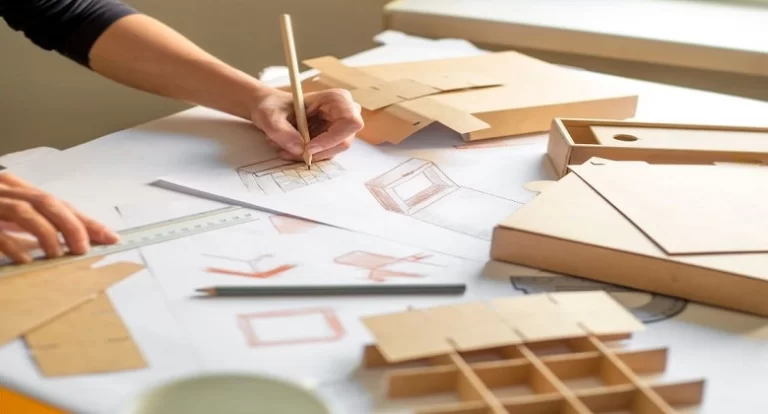
What Is Custom Packaging? Benefits, Types & Costs Explained

What Is Custom Packaging

think unboxing a product is just a small moment? Think again. In today’s retail landscape, packaging is a powerful driver of customer behavior and brand perception. Nearly 80% of consumers say that packaging influences their purchase decisions, demonstrating just how much package design can sway buying choices before the product is ever used.

Even more compelling, research shows that 72–85% of buying decisions happen at the point of sale, with packaging design often acting as the key differentiator between products on the shelf or online. Packaging has evolved into one of the only brand touchpoints that consumers physically interact with 100% of the time, making it one of the most impactful touchpoints for engagement and storytelling.

For modern businesses, especially small brands competing for attention, custom flexible packaging is no longer optional. It’s a strategic investment that can strengthen brand identity, enhance customer experience, and boost repeat purchases by turning everyday deliveries into memorable unboxing moments.

Determining Custom Packaging

Custom Packaging

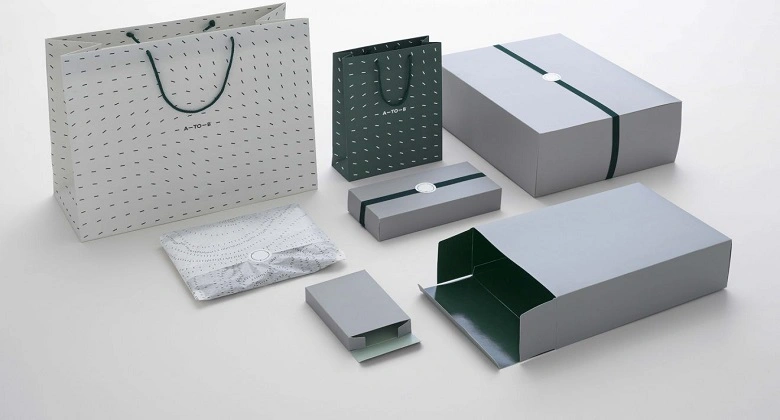
Custom packaging is specifically designed to fit a product and convey a brand’s identity. Unlike standard, generic boxes or bags, custom packaging design should match exact dimensions, incorporate brand elements such as logos, colors, and messaging, and enhance product protection and the customer experience. It’s a strategic tool that communicates quality and value before the customer even sees the product.

The role of packaging has evolved significantly over time. At first, packaging served a purely functional purpose, protecting goods during transport and storage. However, as markets became more competitive and consumer expectations shifted, packaging began to take on a branding and marketing role. Today, custom packaging combines form and function: it protects products while also performing as a visual and emotional extension of a brand.

The global packaging industry has grown into a massive economic force. In 2021, the global packaging market was valued at around $918 billion and is projected to exceed $1.23 trillion by 2026, reflecting how indispensable packaging has become across industries. Trends such as sustainability, digital integration like QR codes, and personalized design are accelerating innovation and demand in the custom packaging space.

Moreover, the custom packaging boxes market alone was estimated at about $62 billion in 2024 and is forecast to grow to over $100 billion by 2035, indicating strong long-term demand from brands seeking differentiation and better consumer engagement.

Custom packaging has therefore become far more than a protective shell. it’s a brand ambassador, a storytelling platform, and a conversion tool that influences buying decisions and fosters deeper connections with customers. The following are the types of custom packaging: 

Types of Custom Packaging

The following are a few categories of Custom Packaging for businesses:

Custom packaging comes in many forms, depending on your product type, brand style, and budget. Here are the most common types:

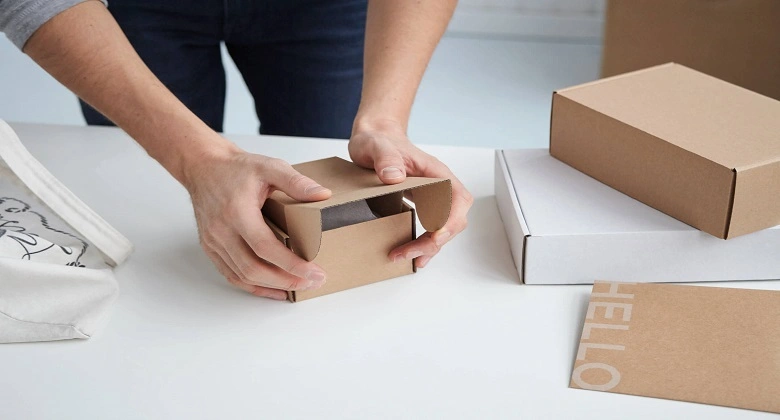
Boxes and Cartons

Custom boxes are the most versatile packaging option. They can be tailored in:

  • Size: Fit your product perfectly, reducing shipping damage and material waste.
  • Material: From eco-friendly cardboard to high-end luxury materials.
  • Design: Printed with your logo, colors, patterns, or foil stamping for a premium touch.

Use Case: A boutique chocolate company can use elegant, magnetic closure boxes with their logo embossed to create a luxury feel.

Bags and Pouches

Custom bags and pouches are ideal for products like food items, jewelry, cosmetics, and small accessories. Options include:

  • Materials: Kraft paper, reusable cotton, biodegradable plastics, or premium satin pouches.
  • Branding: Logos, patterns, or brand messages printed directly on the bag.

Use Case: A small skincare brand might use eco-friendly pouches with printed instructions for a sustainable yet professional look.

Labels and Stickers

Custom labels can transform even standard packaging into branded products. They are a cost-effective option for small businesses that want to start with branding without overhauling their entire packaging.

Use Case: A homemade jam business can use circular or die-cut stickers with their logo, flavor, and a small message for a personal touch.

Protective Packaging

Some products require additional protective packaging to prevent damage. Custom inserts, foam padding, or molded compartments can be designed specifically for your product.

Use Case: A small electronics store shipping fragile gadgets can use custom-cut foam inserts with the brand logo embossed on the inner lining.

Eco-Friendly Packaging

Sustainable packaging is growing in demand, especially among conscious consumers. Brands can opt for compostable materials, recycled paper, or reusable packaging. Custom packaging here not only protects the product but also reinforces brand values.

Benefits of Custom Packaging

Here are some advantages of using custom packaging:

Brand Recognition

Custom packaging transforms your product into a visual representation of your brand. Customers can immediately identify your brand from the packaging, even without seeing the product itself.

Example: Think of how easily people recognize Apple or Tiffany & Co. products by their packaging alone.

Enhanced Customer Experience

A thoughtfully designed unboxing experience can leave a lasting impression. Small touches like branded tissue paper, personalized notes, or custom inserts make customers feel valued and appreciated.

Impact: A positive unboxing experience often leads to repeat purchases and social media shares.

Marketing Tool

Custom packaging doubles as a marketing tool. It can communicate brand messaging, promote new products, or encourage social sharing.

Example: A coffee subscription brand could print brewing tips or QR codes linking to exclusive content on its packaging.

Product Protection

Custom inserts, compartments, and packaging materials reduce the risk of damage during shipping, saving small businesses from costly replacements and negative reviews.

Sustainability and Social Responsibility

Eco-friendly custom packaging appeals to environmentally conscious consumers. Highlighting your brand’s commitment to sustainability can strengthen customer loyalty and attract a growing eco-minded audience.

Competitive Advantage

Small businesses often compete against larger companies with more resources. Custom packaging helps level the playing field by differentiating your product and conveying professionalism and attention to detail.

How to Make Custom Packaging?

How to Make Custom Packaging

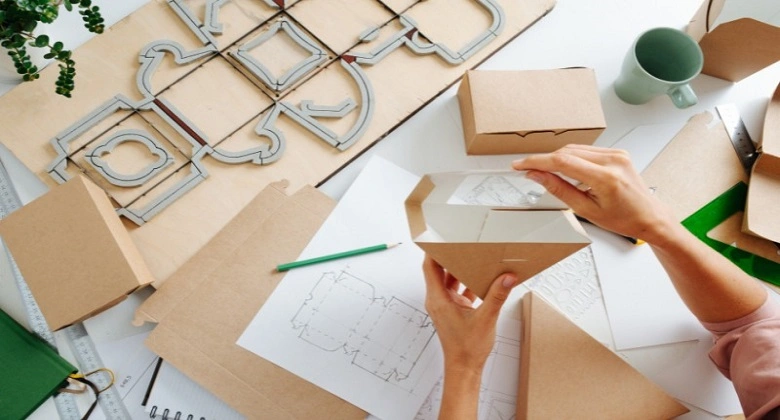
Custom packaging supply doesn’t have to require a huge budget, a large team, or advanced design skills. With a clear plan and thoughtful choices, even small businesses can create packaging that looks professional, protects products, and strengthens their brand identity. Packaging is more than just a container; it’s a customer experience, a brand statement, and a protective layer all in one.

Step 1: Define the Purpose of Your Packaging

Before you think about design or materials, it’s crucial to understand why you need custom packaging in the first place. Defining its purpose helps you make smart decisions and avoid overspending on unnecessary features.

Ask yourself these questions:

  • Is this packaging primarily for shipping, retail display, or both?
  • Does the product need extra protection during transit?
  • Are you aiming for a luxury feel, minimalist design, eco-friendly solution, or cost-effective option?

Examples:

  • Fragile items: Require sturdy boxes and protective inserts to prevent damage.
  • Subscription boxes: Benefit from a fun, memorable unboxing experience that delights customers.
  • Handmade goods: Can use personal, craft-inspired packaging to highlight uniqueness and authenticity.

This step lays the foundation for your design and material choices, preventing costly mistakes later.

Step 2: Know Your Product Inside Out

Packaging should complement your product, not force the product to fit it. Understanding your product’s physical requirements is essential for functionality, safety, and presentation.

Consider these aspects:

  • Dimensions: Measure length, width, and height accurately.
  • Weight: Heavy items may need reinforced materials.
  • Fragility: Delicate items may require cushioning or inserts.
  • Storage conditions: Consider exposure to heat, moisture, or stacking pressures.

Pro Tip: Always measure your product after adding any wrapping or protective layers. This prevents tight fits or oversized boxes that waste material and cost more.

Step 3: Choose the Right Packaging Type

Selecting the correct packaging format is essential for cost-effectiveness and product safety. Match the type to your product, sales channel, and budget.

Common Packaging Options:

  • Custom Boxes: Perfect for eCommerce shipments and retail displays.
  • Mailers: Lightweight and affordable, ideal for shipping small or soft products.
  • Bags & Pouches: Great for food, cosmetics, and accessories.
  • Labels & Stickers: Simple, budget-friendly branding for existing packaging.
  • Rigid / Luxury Boxes: Perfect for high-end gifts or premium products.

Start with a simple option that meets your needs, you can always upgrade as your brand grows.

Step 4: Select Packaging Materials

The material you choose affects durability, customer perception, and cost. Your material choice can also reflect your brand values, such as sustainability.

Popular Materials:

  • Corrugated cardboard: Strong, affordable, and recyclable; ideal for shipping.
  • Paperboard: Lightweight and attractive for retail packaging.
  • Kraft paper: Eco-friendly, rustic appearance, often used for artisanal products.
  • Plastic or bio-plastic: Moisture-resistant, good for products sensitive to water.
  • Fabric or reusable materials: Premium feel for luxury or gift items.

Eco Tip: Recyclable, compostable, or reusable materials can be a selling point. Highlight this on your packaging to appeal to eco-conscious customers.

Step 5: Design Your Custom Packaging

Design is where your brand identity truly comes to life. A well-designed package communicates professionalism, care, and quality, and it enhances customer experience.

Key Design Elements:

  • Logo placement for instant brand recognition
  • Brand colors for consistency across your product line
  • Typography that is readable and aligned with your brand tone
  • Product name, details, and usage instructions
  • Optional social media handles or QR codes for engagement

Design Options:

  • Hire a professional designer from Make A Boxes for a polished look
  • Use user-friendly design tools like Canva or Adobe Illustrator
  • Start with templates provided by your packaging supplier

Pro Tip: Less is often more. Minimalist designs not only look more premium but also cost less to print. Focus on clarity, brand identity, and functionality over complex graphics.

How Much Does Custom Packaging Cost?

How Much Does Custom Packaging Cost

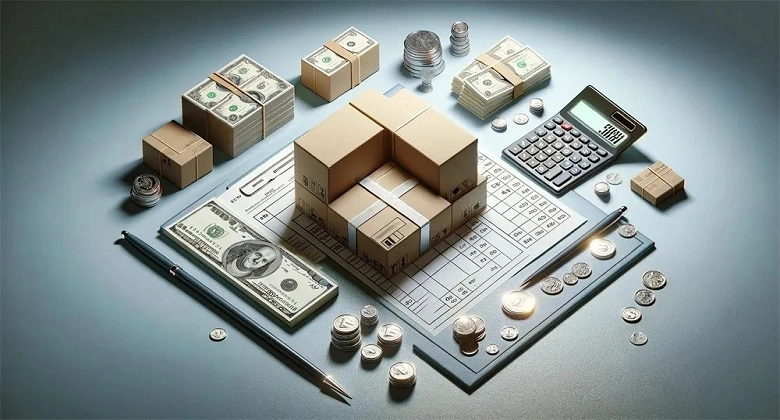
Custom packaging equipment is more than just a container for your product; it’s a reflection of your brand, a tool to impress your customers, and a strategic investment in your business. But one of the first questions most businesses ask is: “How much will it cost?” The truth is, the price of custom packaging can vary significantly depending on several key factors, from materials and design complexity to order size and finishing options.

Typical Cost Ranges

To give you a realistic idea, here’s a general breakdown of common custom packaging types and their approximate costs per unit:

  • Simple custom packaging: Basic printed cardboard boxes or flexible mailers usually cost $0.20–$1.00 per unit. This is ideal for small items or e-commerce shipments.
  • Corrugated or heavy-duty boxes: Designed for durability and protection, these boxes typically range from $0.75–$4.00 per unit depending on size and print requirements.
  • Folding cartons: Common in retail packaging, these boxes cost around $0.50–$3.00 per unit.
  • Premium rigid boxes: Luxury or gift boxes with higher-quality materials, inserts, or magnetic closures can range from $3–$12+ per unit. Specialty designs or finishes can push this even higher.

Keep in mind, these are general estimates. The final cost will depend heavily on the combination of factors discussed below.

Factors That Affect Custom Packaging Costs

  • Material Type

 The choice of material significantly affects price. Standard paperboard is cheaper, while corrugated, kraft, or rigid boards are more durable but cost more. Materials with unique textures or finishes also increase expenses.

  • Order Quantity

Larger orders reduce the per-unit cost because setup fees and tooling costs are distributed over more items. Small runs often carry higher unit prices, but they are ideal for testing new designs or limited editions.

  • Printing and Design Complexity

A single-color logo is cheaper than a full-color wrap. Detailed graphics, gradients, or full-coverage prints require more advanced printing techniques and therefore increase costs.

  • Finishing Options

Varnishes, lamination, embossing, debossing, foil stamping, or window cutouts add a premium feel but also raise the price. These features are excellent for creating a lasting impression on your customers.

  • Tooling and Setup Costs

Custom die-cuts, molds, or printing plates often involve upfront costs. These fees are typically one-time, but they need to be considered, especially for small orders.

  • Additional Features

Inserts, dividers, magnetic closures, or special shapes all add functionality and style, but each comes with a price.

How Quantity Influences Costs

  • Small runs (less than 500–1,000 units): Higher per-unit cost due to setup fees spread over fewer products.
  • Medium runs (1,000–10,000 units): Offer better economies of scale while keeping flexibility in design changes.
  • Large runs (10,000+ units): Lowest per-unit cost, ideal for established products, but require more storage and upfront investment.

Practical Examples

  • A standard custom mailer box in an order of 1,000 units may cost $1–$3 each.
  • A rigid gift box with premium finishes for the same quantity may cost $5–$12 per unit.
  • Specialty designs, like magnetic closures or luxury materials, can cost significantly more, sometimes $20+ per box for extremely high-end packaging.

Tips to Manage Costs

  1. Order in Bulk: Increasing quantity reduces per-unit cost and maximizes ROI.
  2. Simplify Design: Minimalist designs or fewer print colors can significantly cut costs.
  3. Choose Standard Materials: Instead of highly specialized textures, stick to popular materials that suppliers already stock.
  4. Compare Multiple Quotes: Always ask for detailed pricing from several suppliers to find the best balance of quality and cost.

Why is Custom Packaging So Expensive?

Why is Custom Packaging So Expensive

Custom packaging can feel surprisingly expensive, especially for small businesses. But there are solid reasons behind the cost. It’s not just “a box with a logo.” Here are the key factors that drive prices up, explained clearly and in detail.

1. Design and Setup Costs

Custom packaging starts long before anything is printed. Professional design work is often required to create dielines, layouts, and brand-accurate artwork. Even if the design seems simple, printers must prepare custom cutting dies, printing plates, or digital setups. These are one-time but unavoidable costs, and when spread across small order quantities, they significantly increase the per-unit price. Low Order Quantities Increase Per-Unit Cost

Large brands order packaging in tens or hundreds of thousands, which dramatically reduces the cost per piece. Small businesses usually order in smaller batches, and manufacturers charge more per unit to compensate for machine setup time, labor, and production inefficiencies. Simply put, custom packaging rewards scale, and small runs are inherently more expensive.

2. Specialized Materials and Finishes

Custom packaging often uses higher-quality or specialty materials that cost more than standard stock options. Thick cardboard, rigid boxes, kraft paper, biodegradable materials, or protective inserts all add to production costs. On top of that, premium finishes such as embossing, debossing, foil stamping, spot UV coating, or matte lamination require extra processing steps, increasing both labor and machine time.

3. Printing Complexity and Color Accuracy

Custom packaging usually involves branded colors, multiple ink layers, or full-coverage printing. Achieving precise color consistency, especially for logos, requires advanced printing techniques and quality control. More colors, higher ink coverage, and tighter tolerances mean slower production and higher waste, both of which raise costs.

4. Custom Sizes and Die-Cutting

Unlike standard packaging, custom boxes are made to specific dimensions. This requires custom die-cutting tools and specialized production runs. Custom sizes also prevent manufacturers from using leftover materials or standard templates, increasing material waste and tooling expenses that get passed on to the customer.

5. Shipping and Storage Costs

Custom packaging is often bulkier and heavier than generic alternatives. Large boxes, rigid packaging, or layered inserts take up more space during shipping and storage. Freight costs, especially for international manufacturing, can be substantial. If packaging is stored before use, warehouse space adds another hidden expense.

Custom Packaging for Small Businesses

Custom Packaging for Small Businesses

Small businesses efficiently utilize the idea of custom packaging to create a delivery and storage box, which is robust on the outside and spacious on the inside. These boxes are perfectly designed for customers to fulfill their needs. Furthermore, these companies can showcase a design and personality appearance of a container box to leave a lasting impression on others. Customers can make their purchases with an attractive design of boxes to buy them immediately.

It captures their minds and appeals to their eyes to make a quick purchase. The sales of businesses increase with higher revenue and profit. They can enhance their shelf presence with an arrangement on top for a customer to see. Some recent stats reveal the growth and advancement of businesses because of the use of custom packaging. It is now a modern requirement for organizations to step into the future. These packaging boxes change the mindset and perception of both direct and online customers to buy more.

How to Get the Right Custom Packaging for Small Businesses

Custom packaging is more than just a container for your product. It is a powerful tool to communicate your brand, enhance customer experience, and even increase sales. For small businesses, getting packaging right can make a huge difference without breaking the bank. Here’s a comprehensive guide to help you choose and implement the perfect custom packaging.

1. Understand Your Brand Value

Before designing packaging, you need to understand your brand’s personality. Packaging should reflect:

When choosing custom packaging, it’s important to consider your brand values, such as whether your brand is eco-friendly, luxurious, quirky, or minimalist. Equally important is understanding your target audience, knowing who your customers are and what appeals to them both visually and emotionally, can guide your design choices. Additionally, the type of product you are packaging plays a key role, as packaging for fragile items like cosmetics or electronics will require different materials and design considerations compared to apparel or dry goods.

If you want, I can also seamlessly integrate this paragraph into your full blog so it reads naturally with the rest.

Tip: Create a brand mood board including colors, fonts, and textures to guide your packaging design.

2. Consider Functionality First

While aesthetics is important, functionality should never be overlooked:

When designing your packaging, it’s crucial to prioritize protection, ensuring that your products remain safe during shipping and handling. At the same time, consider the size and shape of your custom packaging equipment; oversized boxes can unnecessarily increase shipping costs, while packaging that is too small may risk damaging the product. Balancing protection with practical dimensions ensures both safety and efficiency.

Technique: Order sample packaging or prototypes to test durability and functionality before committing to bulk production.

3. Choose the Right Materials

The choice of materials can impact both the look and sustainability of your packaging. Businesses must consider the advantages and disadvantages of custom packaging at the time of selecting material options.

Cardboard and paper are lightweight, cost-effective, recyclable, and highly versatile, making them a popular choice for many small businesses. Plastic offers durability and water resistance but is less environmentally friendly. Glass and metal provide a premium feel, though they tend to be heavier and more expensive. Biodegradable and recycled materials are also becoming increasingly popular, especially among eco-conscious consumers looking for sustainable packaging solutions.

Tip: Highlight your use of eco-friendly packaging on the product; it adds marketing value.

4. Balance Cost and Quality

For small businesses, the budget is a major consideration. Here’s how to manage cost without compromising quality.

When managing costs for custom packaging supply, it’s wise to start small by ordering a limited batch to test customer reactions before committing to larger quantities. Simplifying your design can also save money, as minimalistic packaging is often both more elegant and less expensive to produce. Look for suppliers who offer bulk discounts or tiered pricing to make larger orders more affordable. Additionally, many small businesses begin with DIY options, such as self-designed labels and basic boxes, gradually transitioning to fully custom packaging as their brand grows.

Technique: Compare quotes from multiple suppliers and consider both production and shipping costs.

5. Focus on Branding and Visual Appeal

Custom packaging is your first impression. Make it count. Businesses must pay careful attention when designing their packaging options. They must make sure it is visible without overwhelming the overall design. Choose typography and colors that align with your brand identity to create a cohesive and recognizable look. Adding unique features, such as custom inserts, compartments, or patterns, can make your packaging stand out and leave a lasting impression on customers.

Tip: Packaging is an opportunity to create an “unboxing experience” that encourages customers to share on social media.

6. Personalization Options

Personal touches make customers feel valued. Adding personal touches to your packaging can greatly enhance the customer experience. This can include custom messages such as thank-you notes, QR codes, or small freebies that make customers feel valued. Seasonal variations, like limited edition packaging for holidays or special events, create excitement and encourage engagement. Additionally, using different colors or designs for various product lines helps distinguish your offerings and reinforces brand differentiation.

Technique: Even small tweaks, like personalized stickers, can make a huge impact without a big investment.

7. Work with Reliable Suppliers

Finding the right packaging partner is crucial. It is important to check reviews and look for companies with experience in your specific product category. Especially when selecting a packaging supplier. Always request samples to evaluate material quality and print accuracy before committing to bulk orders. Choose suppliers who offer flexible options and can scale with your business as it grows. Clear and consistent communication is also essential to ensure your vision is accurately understood and executed.

Tip: Platforms like Alibaba, Packlane, or UPrinting can be great starting points for small businesses.

8. Test and Iterate

Finally, packaging design is rarely perfect on the first try. To refine your packaging, gather feedback from customers regarding usability and visual appeal to understand what works and what could be improved. Consider A/B testing by experimenting with two or more custom flexible packaging design options to see which resonates best with your audience. Additionally, monitor costs by tracking shipping and production efficiency, which can help you optimize packaging size, materials, and weight for both performance and affordability.

Technique: Treat packaging as an evolving part of your brand, not a one-time decision.  

Sums Up

Custom packaging is more than just a container for your product. However, it is a powerful marketing, branding, and customer experience tool. For small businesses, it provides an opportunity to stand out, convey professionalism, and foster customer loyalty.

While the costs of custom packaging can vary depending on materials, design, and order size, the benefits often outweigh the investment. From brand recognition to enhanced unboxing experiences, custom packaging can elevate a small business’s image and set it apart in a crowded marketplace.

For small business owners looking to grow, attract loyal customers, and leave a lasting impression, custom packaging is not just an option; it is a strategic advantage.

Frequently Asked Questions

The cost of custom packaging varies widely depending on the type of product, materials, design complexity, and order quantity. For example, labels can start as low as $0.10 per unit, standard custom boxes range from $1 to $5 per unit, and luxury or specialty boxes can exceed $15 per unit. Bulk orders often reduce the per-unit cost significantly.

Absolutely. Small businesses can start with simple customizations, such as printed logos, labels, or small batches, to test the return on investment. As the brand grows, packaging can be upgraded without overspending upfront.

Typically, eco-friendly materials may cost slightly more than standard packaging. However, sustainable packaging often increases perceived value, appeals to environmentally conscious consumers, and can help justify a higher product price, effectively offsetting the extra cost.

Timelines vary depending on design complexity. Simple packaging can be ready in a few weeks, while complex or luxury designs with special finishes or inserts may take several months from design to production.

While not guaranteed, custom packaging can enhance brand perception, improve customer loyalty, and encourage social sharing. These factors often lead to increased sales and repeat purchases, making packaging a strategic investment for your brand.

Leave a Comment

Your email address will not be published. Required fields are marked *

Scroll to Top