
Custom Shipping Boxes for Product Orders and Growing Brands
A shipping box has to protect the product, fit the fulfillment process, and represent the brand when the order reaches the customer. Make A Boxes develops custom shipping boxes around packed dimensions, product weight, fragility, handling conditions, artwork, order volume, and delivery route. From small-business launches to repeat wholesale programs, each specification begins with the complete packed product and the way it will move through storage, packing, parcel networks, and final delivery.
Shipping Packaging Designed for Different Products and Delivery Needs
Products differ in size, weight, fragility, temperature exposure, and handling risk. The collection below helps businesses compare dedicated formats without turning those product names into the primary targets of this category page. Each product card should link to its corresponding CMS page for detailed materials, dimensions, closures, and ordering requirements.
Mailer Shipping Boxes
Self-locking mailer formats support e-commerce orders, subscription programs, and presentation-led deliveries with efficient assembly and a controlled opening experience.
White Shipping Boxes
A clean white surface provides a neutral base for detailed printing, labels, seasonal graphics, or a restrained unprinted presentation.
Delivery Boxes
Delivery-focused structures are specified around the product, loading method, stacking needs, closure, and the route from packing station to recipient.
Shipping Tags
Printed tags provide a flexible place for handling instructions, product identification, gift messages, or branded information.
Paperboard Cartons
Paperboard cartons suit lightweight products and inner retail packs that need printable panels, repeatable folding, and compact storage.
Shipping Boxes for Mason Jars
Multi-jar shipping configurations can be sized around closures, dividers, cushioning, and the outer case needed for distribution.
Hat Shipping Boxes
Hat boxes preserve shape by controlling crown and brim clearance while limiting movement inside the shipping structure.
Dry Ice Shipping Boxes
Dry-ice shipments require a qualified packaging system, suitable ventilation, compatible materials, markings, and carrier acceptance for the specific contents and route.
Tall Boxes
Tall formats support upright or elongated products with controlled top and base clearance, suitable reinforcement, and a closure planned around the packed height.
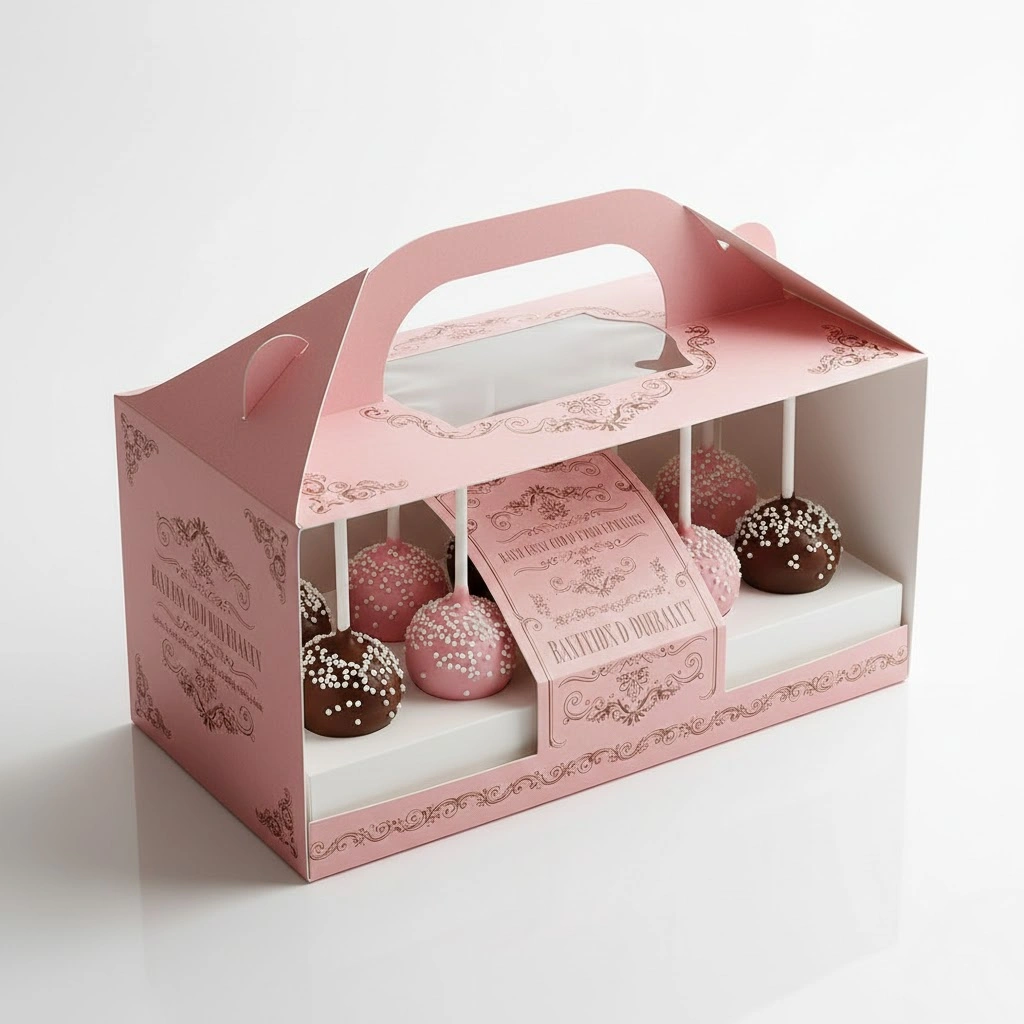
Pink Shipping Boxes
Colored shipping boxes combine visual impact with a structure and board grade selected for the packed size, weight, and stacking demands.
Custom Folding Cartons
Folding cartons support lighter products and inner packs with compact flat storage, accurate print registration, and repeatable assembly.
Flower Shipping Boxes
Flower formats account for stem length, ventilation, moisture management, restraint, and the presentation expected at delivery.
Black Shipping Boxes
Black exterior treatments create a distinctive presentation while material and coating choices account for scuffing, folding, and label adhesion.
Corrugated Shipping Boxes
Fluted board structures provide lightweight strength for parcel, case-pack, and distribution applications when the grade matches the load and route.
Side Loading Boxes
Side-loading structures make it easier to insert long, flat, or delicate products without forcing them through a narrow top opening.
Get A Quote
Shipping Packaging Built for Protection Efficiency and Brand Consistency
Make A Boxes creates custom packaging boxes for retail, e-commerce, subscription, and fulfillment workflows. A practical recommendation starts with the packed product, weight, fragility, box dimensions, cushioning, order volume, print requirements, storage limits, and delivery route. Brands that need a self-locking e-commerce format can also compare custom mailer boxes before approving the wider shipping program.
Why Businesses Choose Custom Shipping Boxes Wholesale
Growing brands use custom shipping boxes wholesale to keep dimensions, materials, print, packing instructions, and replenishment more consistent across repeat orders. A documented specification helps purchasing teams compare quantities, board grades, finishes, lead times, and case packs on the same basis. Wholesale shipping boxes can then support product launches, everyday fulfillment, seasonal campaigns, and multi-location programs without losing the brand details customers recognize.

Protects Products During Distribution
A right-sized structure, suitable board grade, secure closure, and correctly fitted protective components help limit movement and maintain box shape through packing, stacking, sorting, and delivery. The box and product should be evaluated as one packed system rather than as separate components.

Makes Every Shipment Recognizable
Consistent logo placement, colors, typography, handling information, and interior details turn branded shipping boxes into a recognizable customer touchpoint. Artwork should remain legible after folding, sealing, labeling, and routine surface abrasion.

Supports Efficient Packing and Storage
Clear dielines, logical closures, defined pack-out instructions, flat storage, and consistent case quantities help fulfillment teams assemble and identify shipping packaging more reliably. The most suitable configuration depends on labor, available space, packing volume, and equipment.

Controls Size Before Carrier Rating
Outer dimensions affect the space a parcel occupies and may influence dimensional-weight pricing. Custom size shipping boxes should therefore be assessed with the complete packed product and required protection, then checked against the current rules of the selected carrier and service.
Personalized Shipping Boxes Planned Around the Complete Delivery System
Personalized shipping boxes should be configured for the actual product and distribution route. Make A Boxes can combine material, structure, fit, printing, and protective features to create custom product shipping boxes for the intended packing and delivery environment. Final recommendations should be confirmed through the written quotation, approved dieline, artwork proof, and any sample or performance testing required for the project

Corrugated fiberboard
Flute profile, liner combination, and grade selected around packed weight, stacking, compression, puncture risk, and distribution conditions.

Kraft corrugated board
a natural brown surface that supports restrained print, shipping marks, labels, and documented recycled-content options when available.

White-top corrugated board:
A lighter printable face for detailed graphics and cleaner color reproduction, subject to the selected print process and coating.

Paperboard
A compact option for lightweight custom packaging boxes for shipping inside another parcel or for short, controlled handling routes.

Recycled-content board
Specify the verified percentage, whether it is pre- or post-consumer content, and any effect on appearance or performance.

Coatings and laminations
Chosen for print protection, rub resistance, label adhesion, moisture exposure, handling, and the package's intended recovery route.

Two-Piece Rigid Box
Regular slotted, full-overlap, or die-cut structures selected according to product geometry, loading direction, closure method, and required panel reinforcement.

Sleeve + Tray
Self-locking and roll-end constructions considered where quick assembly and a controlled presentation are more important than a conventional taped case.

Tuck-End Box (Straight or Reverse)
One-piece or two-piece telescoping formats used for long, flat, framed, or variable-height products that need easier loading and adjustable coverage.

Mailer Box (Locking Tabs)
Partitions, pads, corner blocks, or fitted inserts arranged to separate components and limit movement without obstructing packing or opening.

Hexagon or Pyramid Shape
Closure panels and glue areas planned around tape, adhesive strips, locking tabs, staples, or another approved sealing method.

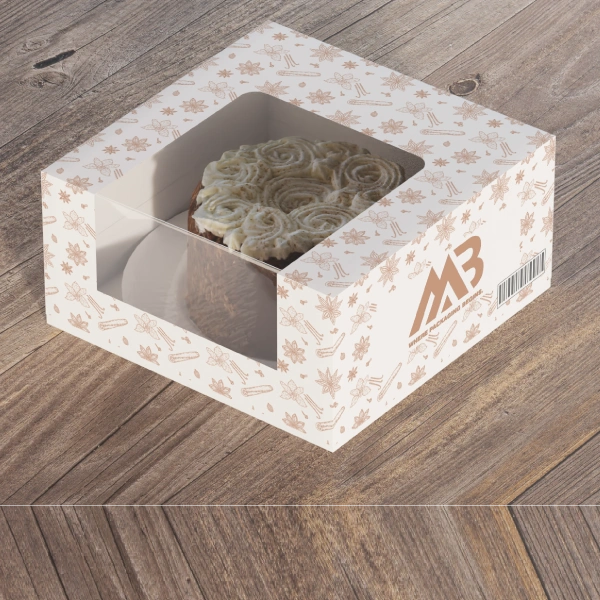
Window Cut-Out
Custom boxes for shipping developed from usable internal dimensions, allowing space for the product and required protection without unnecessary void volume.

CMYK Offset Printing
Internal dimensions planned around the fully packed product, including retail packaging, cushioning, inserts, cables, accessories, and protruding features.

Pantone Spot Colors
Board strength and construction matched to packed weight, stacking height, storage time, pallet pattern, parcel handling, and known environmental exposure.

Digital Short-Run Printing
Cushioning clearance set by product fragility and the protective material rather than by a fixed allowance applied to every project.

Hot Foil Printing
External dimensions checked after board thickness and structure are finalized because carrier rating and shelf or pallet fit use the outside of the packed box.

UV Printing
Prototype pack-outs used to assess loading sequence, closure, movement, label position, scan access, opening, and the recipient's first handling steps.

Thermographic Printing
ISTA or customer-specific testing considered when the value, fragility, route, retailer requirement, or risk profile justifies documented performance evaluation.

Matte Lamination
Flexographic, digital, or offset printing selected according to board surface, color expectations, artwork detail, order quantity, and budget.

Gloss Lamination
CMYK printing used for multicolor artwork, while spot colors can support tighter control of essential brand colors when the process allows.

Soft-Touch Coating
Custom shipping boxes with logo placement planned around main panels, folds, seams, tape paths, shipping labels, and handling marks. This keeps custom logo shipping boxes recognizable without interfering with operational information.

Spot UV
Interior printing used for instructions, return guidance, QR destinations, campaign messages, or a branded opening sequence.

Foil Stamping
Matte, gloss, aqueous, soft-touch, or other finishes evaluated for appearance, folding performance, rub resistance, label adhesion, and recovery considerations.

Embossing/Debossing
Version-controlled artwork keeps barcodes, regulatory copy, addresses, SKUs, and campaign variations associated with the correct size and dieline.

Custom Inserts
Peel-and-seal strips, tear tapes, locking tabs, or return strips selected around security, opening, repacking, and return-shipping needs.

PVC or PET Windows
Label zones reserved on suitable panels so addresses, barcodes, and routing information remain flat, visible, and scannable.

Magnetic Closures
Printed handling marks and orientation cues placed where they remain visible after sealing and carrier labeling.

Ribbon Pulls or Tabs
Tamper-evident construction or seals considered when the product, sales channel, or customer requirement calls for visible opening evidence.
Dust Covers
Flat-packed, pre-glued, bundled, or case-packed delivery arranged around storage capacity, packing labor, equipment, and replenishment frequency.

Vent Holes
For eco friendly shipping boxes, state the specific material, verified recycled content, source reduction, or other supported benefit instead of relying on a broad claim.

Stackable Design
Recyclable shipping boxes described with material and coating details plus suitable qualifications where collection access or component separation may vary.
Real Products Real Routes and Better Shipping Box Decisions
Selecting shipping packaging is a fit-and-route decision. The same box can perform differently when product weight, cushioning, stacking, temperature, humidity, handling, or parcel network changes. Assemble and close a sample with the real product, then review its outside dimensions, label area, pack-out sequence, movement, and opening experience before approving a bulk custom shipping boxes order. For more measurement guidance, review how to choose the right box size for shipping products
Size Guide
How to Measure Custom Packaging Boxes for Shipping
- Measure the fully prepared product at its longest, widest, and highest packed points, including retail packaging and attached components.
- Add the verified space required for inserts, cushioning, partitions, corner protection, pads, or protective wraps on every affected side.
- Use usable internal dimensions for product fit; confirm external dimensions after the board grade, flute, and structure are chosen.
- Check that closures meet cleanly and that the contents do not bulge panels, obstruct flaps, or place concentrated loads against unsupported areas.
- Pack, seal, weigh, and measure the assembled sample before comparing current carrier limits, dimensional-weight rules, labels, and service requirements.
- Test how the packed box stacks in cases, on shelves, in storage, on pallets, or within the intended fulfillment and delivery system.
How We Make Custom Shipping Boxes
- Define the product, packed dimensions, weight, fragility, quantity, artwork, fulfillment method, delivery route, and required date.
- Select the board construction, flute, surface, coating, and protective components appropriate to the documented use conditions.
- Create or adapt the dieline for panels, closures, seams, glue areas, print zones, inserts, labels, and manufacturing tolerances.
- Place artwork inside safe areas and review logos, colors, barcodes, addresses, instructions, handling marks, and fold relationships.
- Produce the suitable digital proof, white sample, printed prototype, production sample, or transit test for approval.
- Print, corrugate or convert, die-cut, finish, glue, inspect, bundle, case-pack, and dispatch the order against the approved specification.
Shipping Packaging Built for Protection Efficiency and Brand Consistency
Frequently Asked Questions
Got questions? We’ve got you. Whether it’s sizing, style, or shipping, we’re here to help you box it right, every step of the way.
1. How do I choose the right size for custom shipping boxes
Measure the complete packed product rather than the item alone. Include retail packaging, closures, accessories, inserts, cushioning, and practical loading clearance. Confirm the usable internal dimensions first, then measure the sealed exterior because carrier rating, storage, and pallet planning use the outer package.
2. Which material is best for custom boxes for shipping
The choice depends on weight, fragility, stacking, puncture risk, moisture exposure, print requirements, route, and budget. Corrugated fiberboard is common for parcel and distribution use, while paperboard may suit lightweight inner cartons or controlled routes. The quotation should identify the specific construction rather than relying only on a general material name.
3. Can Make A Boxes print logos on shipping boxes
Yes. Printing options depend on the board surface, artwork, number of colors, finish, quantity, and production method. Provide vector logos, brand-color references, required copy, and barcode specifications. Review the proof at full size and request a physical or production sample when color, fit, or finish is critical.
Can small businesses order wholesale shipping boxes
Make A Boxes promotes minimum quantities starting from 100 units for many custom box types. A shipping boxes for small business quote should still confirm the exact minimum, size, board grade, printing, tooling, case pack, production schedule, and delivery destination because these details vary by project.
5. Are custom shipping boxes recyclable
Recyclability depends on the complete specification and local collection system, including board, coatings, laminations, windows, adhesives, labels, tapes, and inserts. Ask for written material details and any separation instructions. Claims such as recyclable or eco friendly should be qualified when access or component recovery varies.