
Custom Sustainable Packaging That Makes Your Brand Look Responsible
Explore custom sustainable packaging from Make A Boxes, including Kraft Sleeve Boxes, Kraft Bags and Custom Brown Paper Bags. Choose sizes and logo printing for your products, and review the material specifications before ordering. Share your packaging goals and quantities to request a quote.
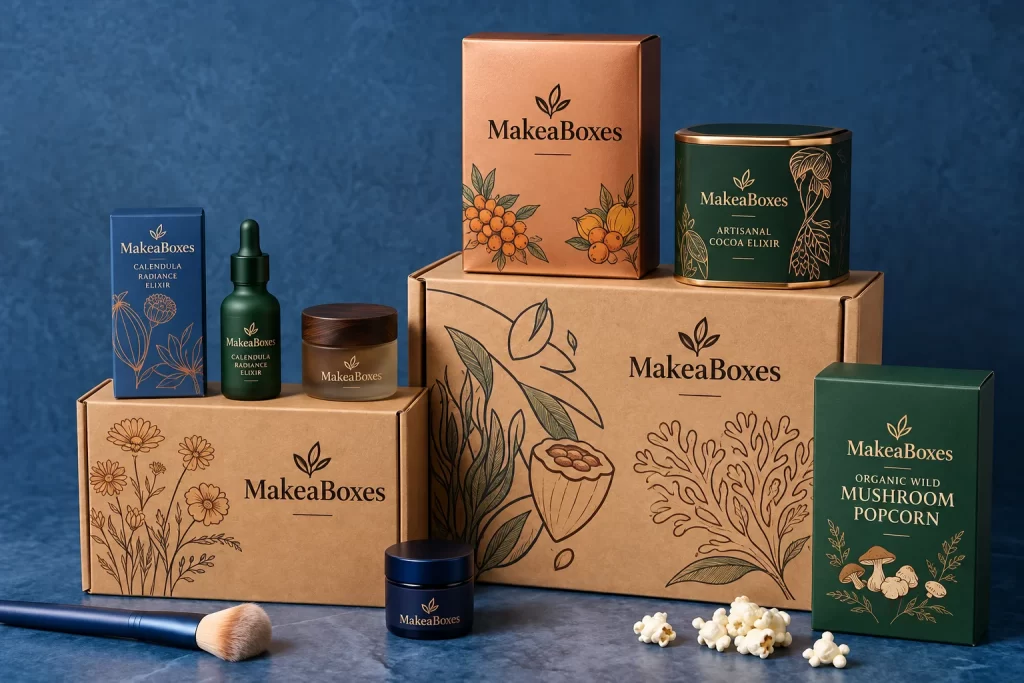
Explore Packaging Formats for Your Product
Start with the format that fits your contents, then review its construction and disposal options. This collection includes cartons, sleeves and bags with different material combinations. The environmental suitability of each option depends on the finished specification, not its color or product name alone.
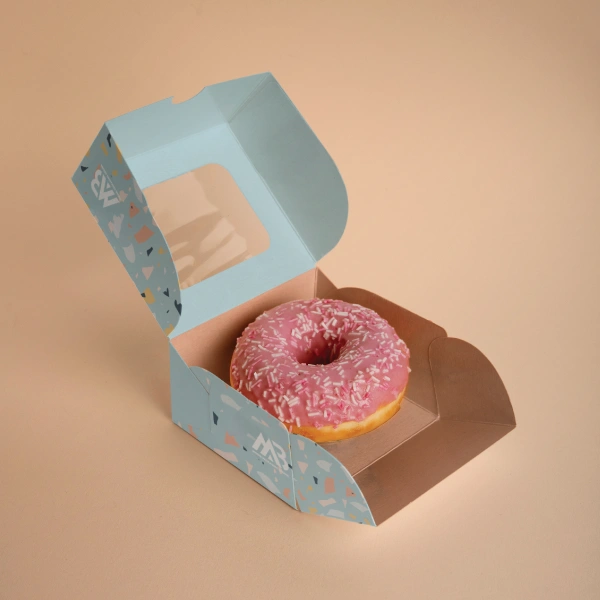
Eco Friendly Boxes
Compare box structures against your specific material goals, such as documented recycled content. Match the selected board and finish to the product and its handling needs.
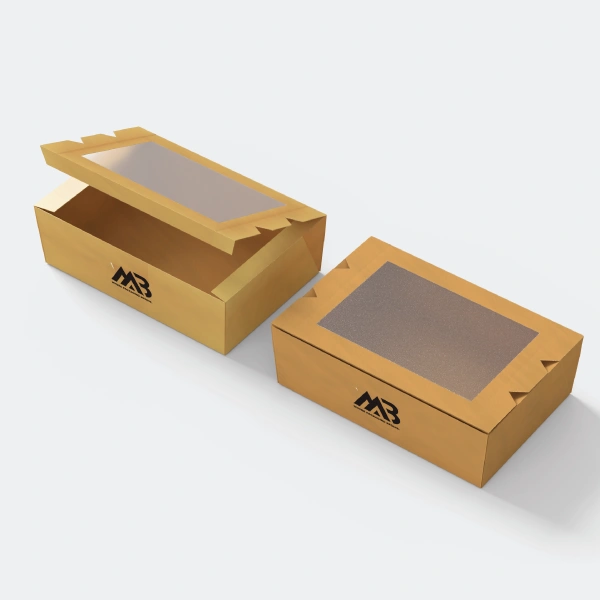
Kraft Sleeve Boxes
A printed sleeve wraps around a tray or existing pack. Size it for a secure fit and check whether it can replace an unnecessary additional layer.

Kraft Rigid Boxes
Firm walls provide a defined shape for presentation sets. Review the outer wrap, interior support and storage footprint when selecting the complete construction.
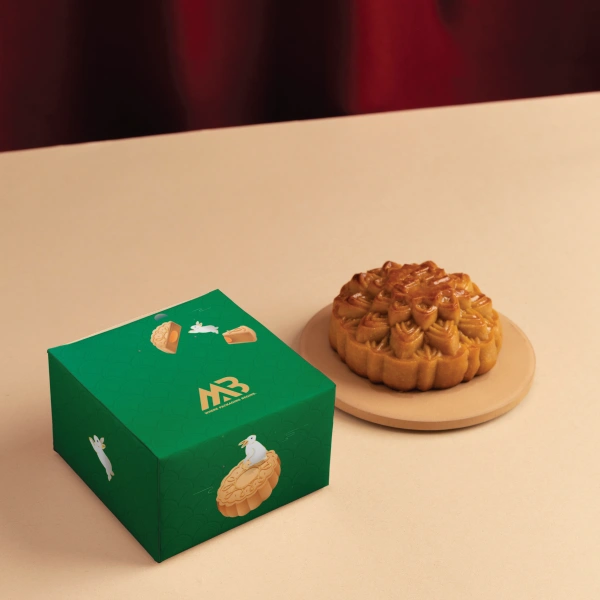
Kraft Mylar Bags
A paper-look exterior with a layered bag construction. Ask for the full material specification, including inner films and closures, before deciding whether it meets your packaging goals.

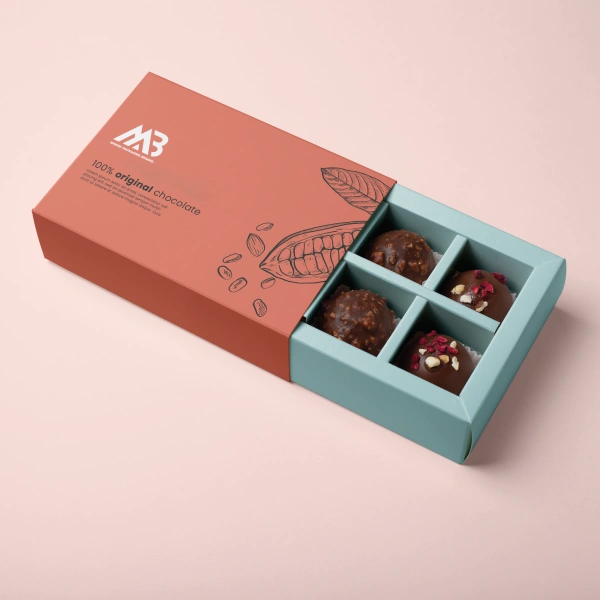
Kraft Candy Boxes
Compact cartons for individual treats or assortments. Plan dividers and the appropriate inner wrapping around the contents, with food-contact suitability assessed for the intended use.
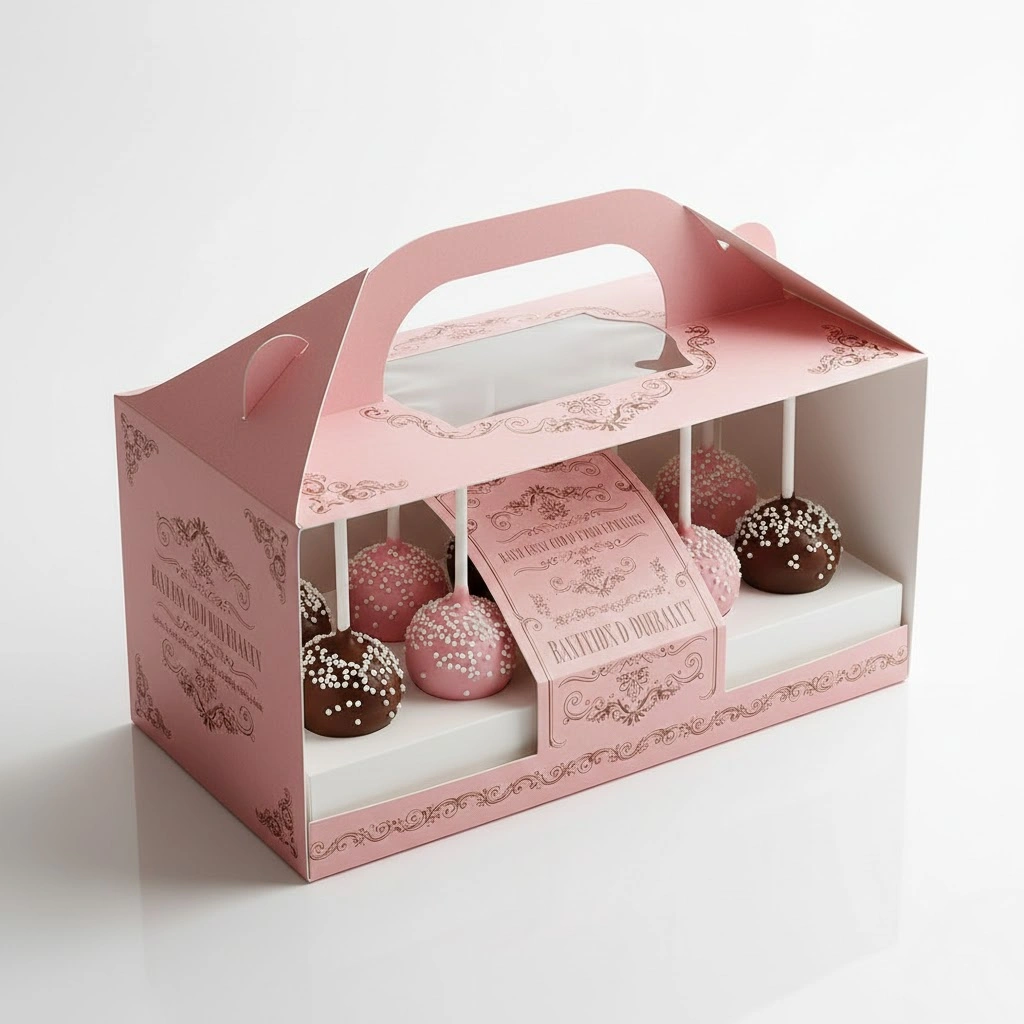
Kraft Food Boxes
Choose dimensions and closures around the portion and service conditions. Specify whether the food is hot, chilled, greasy or moist before selecting a liner or coating.

Eco Friendly Soap Packaging
Sleeves or cartons can leave space for branding and ingredient information. Review the finish against the bar’s surface, wrapping and storage conditions before choosing a format.
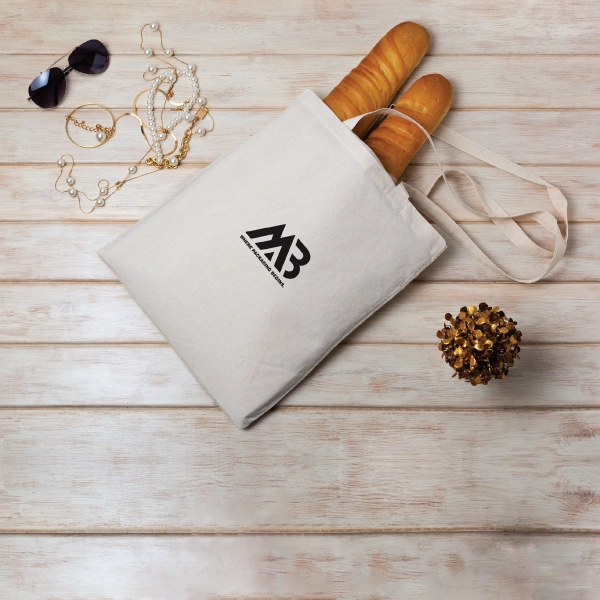
Custom Brown Paper Bags
Printed carry bags sized for the purchase rather than an oversized standard format. Confirm the packed load, handle construction and base support with a sample.
Kraft Bags
Select the opening, gusset and closure to suit how the bag is filled. Consider the product’s bulk as well as its weight when comparing sizes.

Kraft Corrugated Boxes
Fluted board structures for products that need additional support. Match the board grade and interior layout to the load, stacking pattern and distribution route.
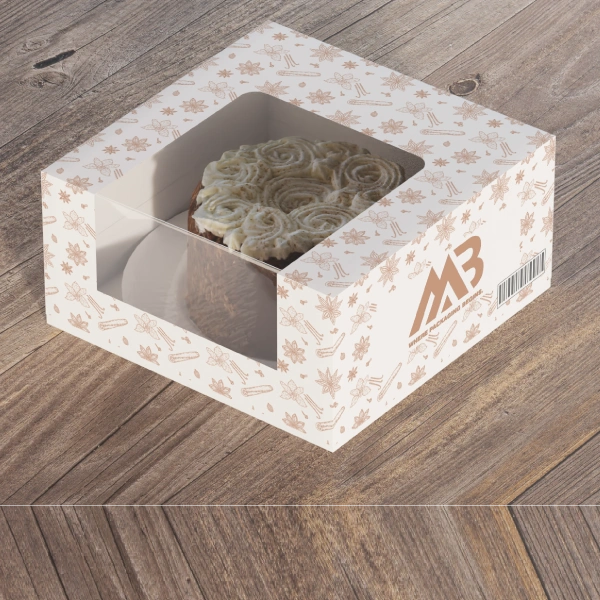
Kraft Boxes with Lid
A separate lid gives access from above and keeps the contents easy to arrange. Check lid depth and clearance with the complete packed product.

Small Kraft Boxes
Compact dimensions for smaller items and coordinated sets. Allow room for any protective wrap without leaving large gaps that need extra filling.

Kraft Die Cut Boxes
Custom cutting and folding create a structure around the product. Review tab positions and assembly with a sample before committing to the final layout.

Kraft Paper Window Boxes
Window openings allow a view of the contents. Consider their position, the remaining panel strength and the material of any film covering the opening.

Kraft Tuck Top Boxes
A tuck-in top provides a straightforward opening format. Check that the flap stays engaged and does not press against the product or its insert.
White Kraft Boxes
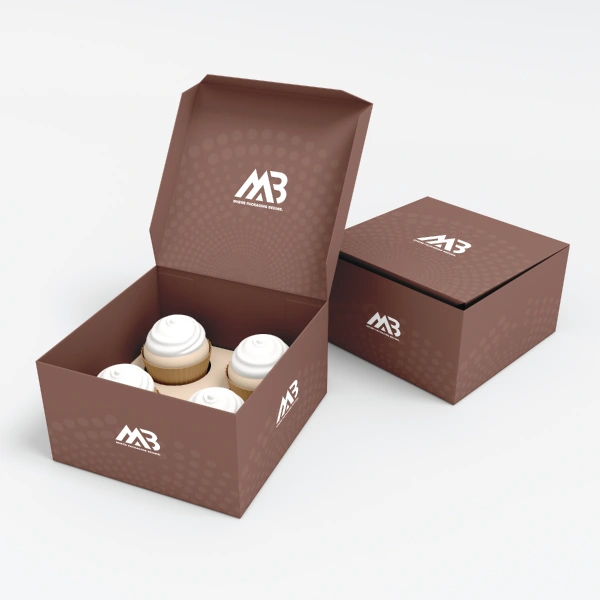
A lighter printing surface for artwork that needs a different background. Confirm the board composition and review your colors on the actual stock.

Biodegradable Mylar Bags
Request evidence for the finished bag, including its breakdown conditions and timeframe. Confirm the actual film composition and intended disposal route before selecting this option.

Tin Tie Bags
A fold-over tie provides a convenient way to reclose the top. Check the lining and closure materials separately when reviewing the bag’s disposal instructions.
Get A Quote
Sustainable Packaging Solutions Built Around Your Priorities
Better packaging decisions begin with a clear brief. Are you trying to remove an unnecessary layer, specify recycled content or find a format that is easier to separate after use? Make A Boxes helps turn that goal into dimensions, material options and a sample you can assess. We consider presentation and packing requirements alongside the proposed change.
Why Brands Plan Sustainable Packaging Wholesale
Wholesale planning connects the packaging specification with the way your business buys and stores it. When comparing sustainable packaging wholesale, request prices for the quantities you expect to use, not just the largest available run. Keep sizes and artwork versions separate in the quote. Businesses sourcing eco-friendly packaging wholesale should also compare material documentation, sample approval and packing configuration. A lower unit price is useful only when the complete order suits your product, available space and replenishment schedule.

A Fit That Avoids Unnecessary Space
Compare the product's packed dimensions with the usable interior. A closer fit may remove the need for some filling, provided the contents still have the protection and loading clearance they require.

Material Choices You Can Compare
Use the same questions for every option: what is the board or film, what has been added to it, and what function does each part serve? This makes specifications more useful than broad material labels.

Branding That Fits the Construction
Branding That Fits the Construction Plan the logo and essential information around the finished pack. An uncluttered layout can give your brand a clear presence without adding a separate printed layer solely for decoration.

Orders Matched to Actual Use
Buy against demand, storage capacity and the expected life of the artwork. Keeping the quantity realistic matters when seasonal designs or product changes could make unused packaging obsolete.
Customize the Materials and Details of Your Packaging
Custom eco-friendly packaging starts with a specific improvement goal, not a universal environmental promise. Review the options below for your product and confirm the proposed material combination in the quotation. Availability and suitability depend on the structure and intended use.
Paperboard Stock
Compare thickness, stiffness and printing surface together. Choose a board that holds the packed shape without automatically specifying the heaviest available grade.
Recycled Content Options
Request the percentage and scope of any recycled-content claim. Establish whether it applies to the board alone or to the complete finished package.
Fiber Sourcing
Ask what sourcing records are available for the proposed stock. Any certification logo should be used only with the applicable authorization and supporting documentation.
Corrugated Construction
Compare flute and board grades against the packed load. Stronger construction may be needed where stacking or transit places extra demand on the packaging.
Liners and Barriers
Identify what the product needs protection from before adding a barrier. Evaluate the complete layered material rather than judging it by its outer surface.
Surface Treatments
Choose coatings for a defined purpose, such as resistance to rubbing. Review whether a decorative treatment is necessary and how it affects the finished material.
Folding Cartons
Flat-supplied cartons can suit a compact storage arrangement. Check the assembly sequence and available print panels before finalizing the cutting layout.
Sleeve Formats
A sleeve can carry branding around an existing tray or container. Assess the complete pack so the new sleeve does not simply add another layer.
Separate Lids
A lid-and-base format allows top loading. Size both parts around the contents and confirm how they will be supplied and stored.
Formed Bases
Base folds and gussets affect standing stability and usable capacity. Review the shape with the product loaded instead of selecting by flat dimensions alone.
Paper Inserts
Folded supports can hold individual items apart. Choose their contact points carefully and test whether they remain in position through the intended handling.
Shared Size Families
One well-chosen structure may suit several products. Check the smallest and largest contents before deciding whether shared dimensions genuinely simplify the range.
Complete Contents
Measure the product with its wrapping, labels and accessories. An outer pack chosen around the bare item may be too small once everything is included.
Loading Clearance
Allow room for packing without force. Review the opening and closure with the people who will fill the packaging during normal production.
Movement Control
Check whether the contents slide or strike one another. Adjust the structure or support before assuming more loose filling is the only answer.
Carrying Strength
For handled formats, evaluate the loaded pack and handle attachment together. Confirm the intended load rather than relying on the appearance of the paper.
Storage Conditions
Share expected humidity, stacking and storage duration. These details can change the material or construction needed to keep the pack serviceable.
Distribution Checks
Review the retail pack inside its actual shipping arrangement. Where transit performance matters, select an appropriate test for the complete packed system.
Logo Printing
Use a clear logo position that remains visible once the package is assembled. Supply a suitable artwork file rather than a small screenshot.
Color Proofing
Brown and white stocks can produce different visual results. Review a proof appropriate to the color accuracy needed for your project.
Print Coverage
Choose graphics around what the customer needs to recognize and read. Lower coverage alone is not proof that the whole package has a lower environmental impact.
Product Information
Reserve legible space for the item name and required details. Avoid placing important text across folds or beneath overlapping flaps.
Claim Wording
Describe the documented benefit precisely. Avoid turning one material attribute into an unsupported claim that the complete package is environmentally superior.
Care and Disposal Copy
Keep instructions short and specific to the finished construction. Use an accessible web page for additional detail where the packaging space is limited.
Window Choices
Consider whether product visibility needs a window at all. If it does, review the opening size and any added film as part of the specification.
Removable Components
Where separation is practical, make it clear how components come apart. Check the process with a finished sample, not just a design drawing.
Closure Options
Choose the closure for its intended function. A resealable top should be evaluated for repeated handling and the condition of the contents after opening.
Label Areas
Leave a suitable surface for variable information. Confirm adhesive compatibility and positioning before ordering large quantities of preprinted packaging.
Supply Configuration
Compare flat, nested and assembled formats against warehouse space and labor. Ask how packaging will be bundled and identified on arrival.
Version Records
Keep the material specification and approved print file together. Recheck the evidence behind any claim when stock, coatings or components change.
Compare Your Current Pack With a Practical Alternative
A useful sustainable product packaging project has a starting point you can measure. Bring your current pack and identify what you want to change. Record its dimensions, components and packed weight, then compare a sample of the proposed alternative under the same conditions.
For example, a retailer using a large carton and loose filling might test a smaller carton with a folded insert. The new sample needs to protect the contents and remain easy to pack. If it does, compare the material used, packing time and order cost before deciding whether to adopt it. Any reported improvement should state what was compared.
Size Guide
Measure in the Packed State
Include primary wrapping and every item supplied with the product. State the units and whether the measurements describe the product or the required internal space.
Allow for Shape
Check protruding parts, irregular profiles and the way flexible contents settle. Volume or weight alone may not describe the space the pack needs.
Try the Packing Sequence
Load, close, carry and reopen the sample. Look for catching flaps, strained handles or gaps that allow the contents to move excessively.
Check Storage and Shipping
Confirm the assembled exterior against shelves and outer cases. Also compare the space occupied by empty packaging before it reaches the packing station.
How We Develop Your Packaging
- Define the Objective
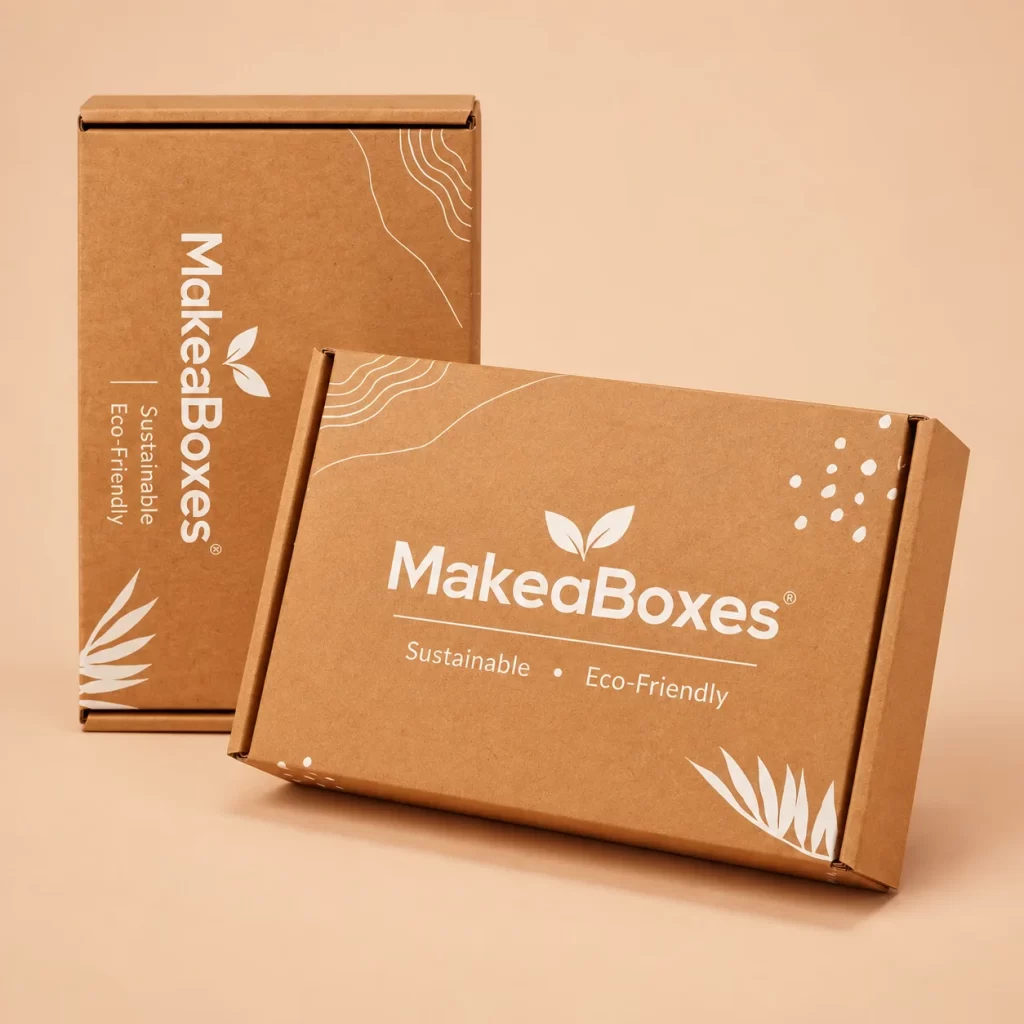
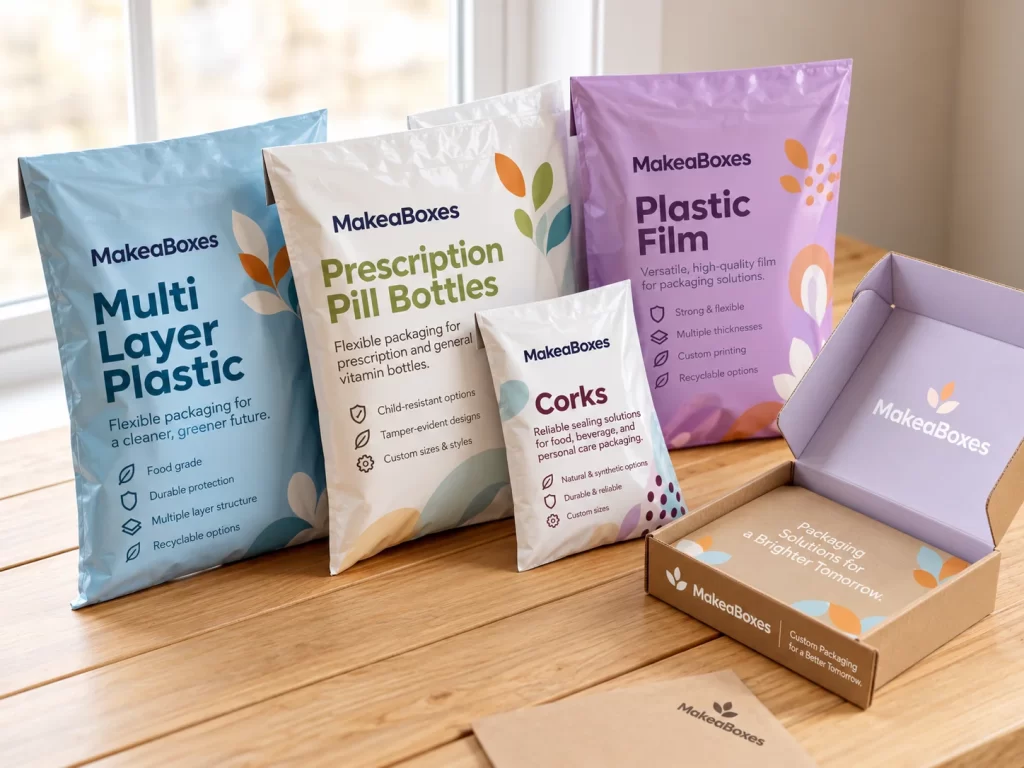
Share your existing specification and the change you want to explore. Explain the product, handling route, expected quantities and any material documentation you require. - Compare Feasible OptionsReview construction choices alongside their practical limitations. Keep necessary product protection in the brief while considering where material or components could be reduced.
- Prepare the Layout
Agree the cutting and folding pattern, then position the artwork. Leave room for product details and any supported material or disposal information. - Review the Sample
Check the physical fit, assembly and appropriate print proof. Evaluate the proposed pack against the original objective before approving a change. - Confirm the Specification
Approve the selected stock, components, finish and quantities in writing. Record the documentation that applies to the finished version being ordered. - Plan Replenishment
Agree delivery arrangements and keep the approved reference for repeat orders. Review demand before reordering, especially when the artwork or product range is changing.
Boxes Built for Fashion Brands That Care About Quality.
Frequently Asked Questions
Got questions? Whether you are comparing size, structure, materials, printing, or shipping, these answers cover the details most apparel brands need before requesting a quote.
1. What should I look for in custom sustainable packaging?
Start with a specific objective: remove unnecessary material, use documented recycled content or improve a particular disposal option. Then assess protection, packing and storage. A useful specification explains what the package is made from and which benefit is supported; it does not rely on a broad label alone.
2. Does a paper appearance mean packaging is recyclable?
No. An outer paper layer can cover a different inner construction. Check the finished material and your local recycling provider’s acceptance rules. Recycled content describes material already used in manufacture; recyclability concerns what can happen after use. One does not establish the other.
3. Are biodegradable and compostable packaging the same?
No. Compostability involves breakdown under specified composting conditions, while a biodegradable claim also needs clear conditions and a timeframe. Commercial composting is not the same as home composting. Ask for evidence covering the finished item and confirm that a suitable collection and processing option is available.
4. Can custom printing work with an environmental packaging goal?
Yes, but assess the whole specification rather than assuming a particular ink or finish makes it sustainable. When planning eco-friendly product packaging, discuss the chosen board, coatings and other components together. Use approved wording for documented benefits and check the final print on the selected material.
5. How should I compare sustainable packaging suppliers?
Give each supplier the same product requirements, quantities and improvement goal. Compare material details, sample options, artwork support and the complete delivered price. When reviewing eco-friendly packaging suppliers, ask which claims they can support for the exact quoted construction. Confirm minimum quantities and timing for your project in writing