Custom Coffee Boxes for Roasters, Cafes, and Growing Brands
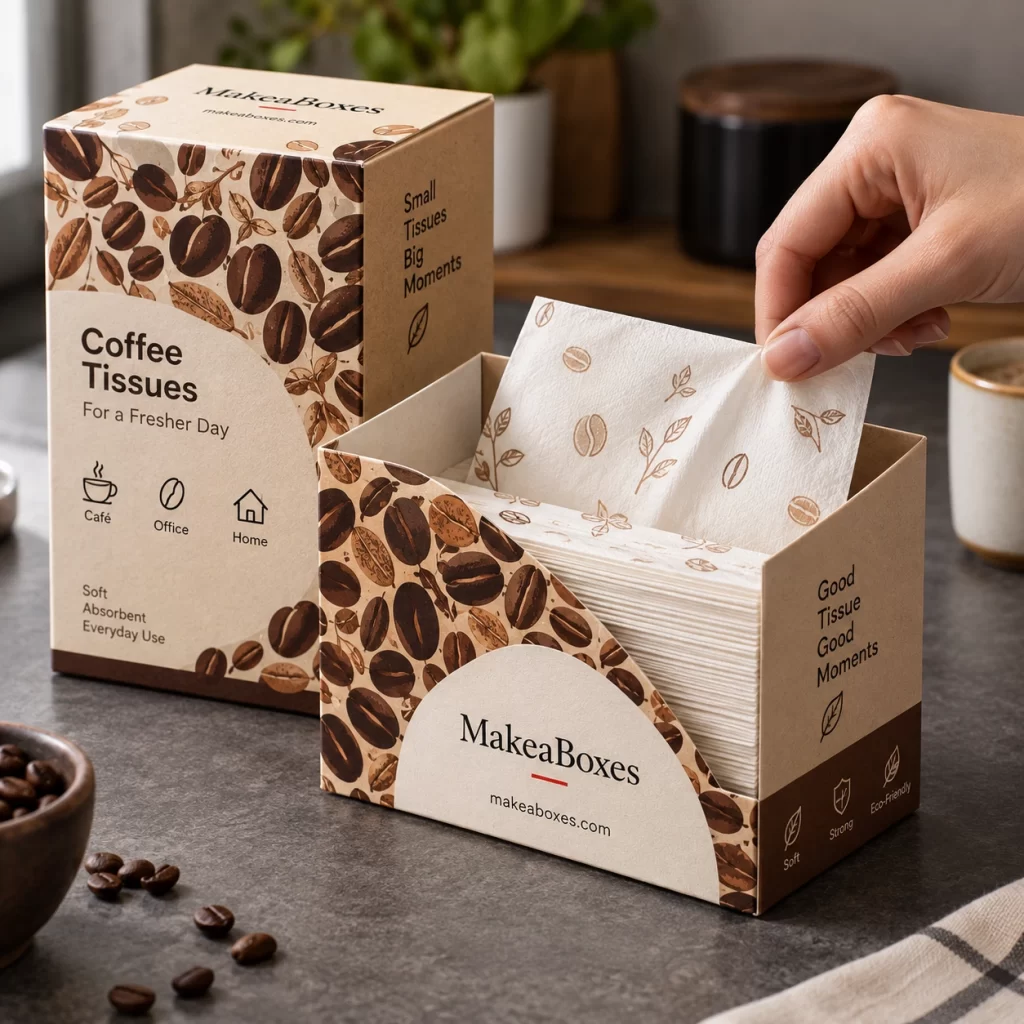
Coffee buyers meet the package before they experience the roast. Make A Boxes develops custom coffee boxes around product dimensions, packing workflow, retail presentation, and brand consistency. Whether the project needs custom boxes for coffee pouches, a printed outer box for a gift set, or coordinated service packaging for a cafe, every specification starts with how the product will be filled, handled, displayed, shipped, and opened.
Custom Coffee Packaging Designed for Every Service Need
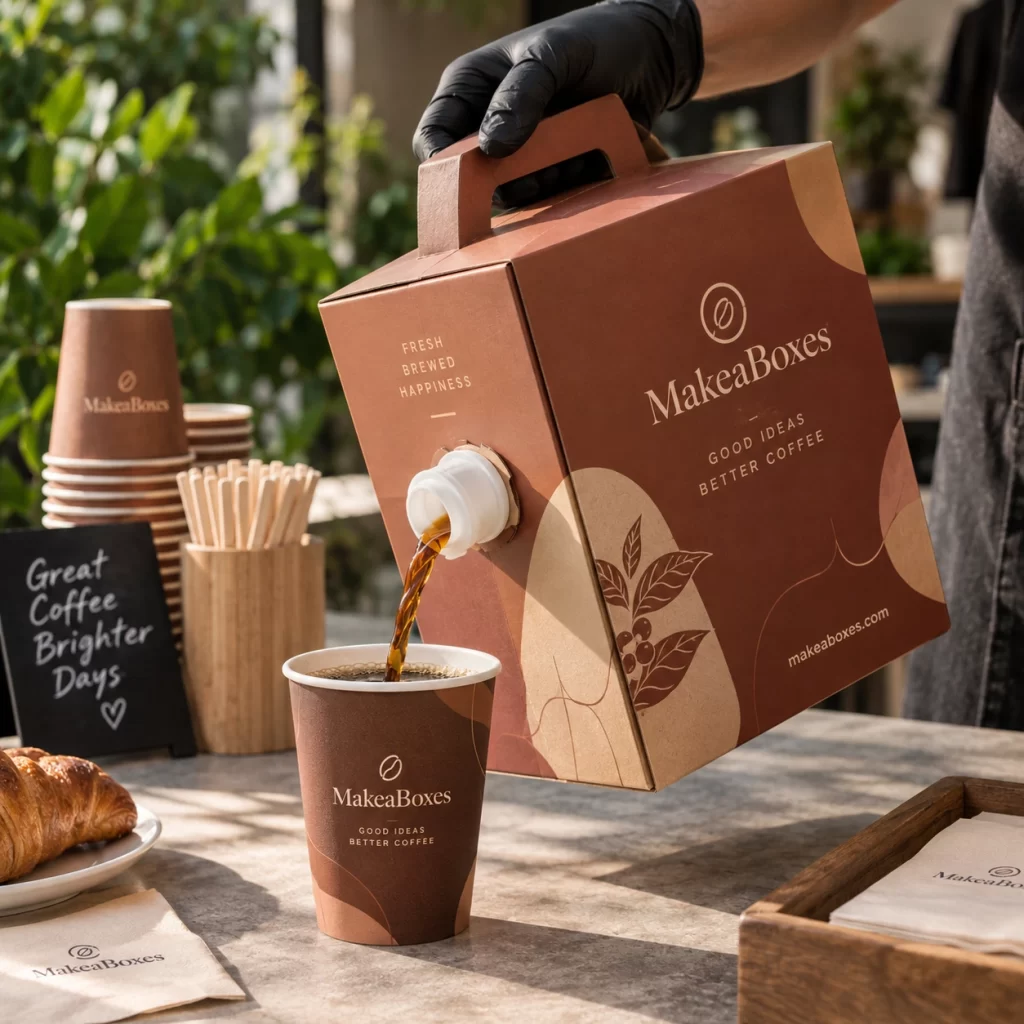
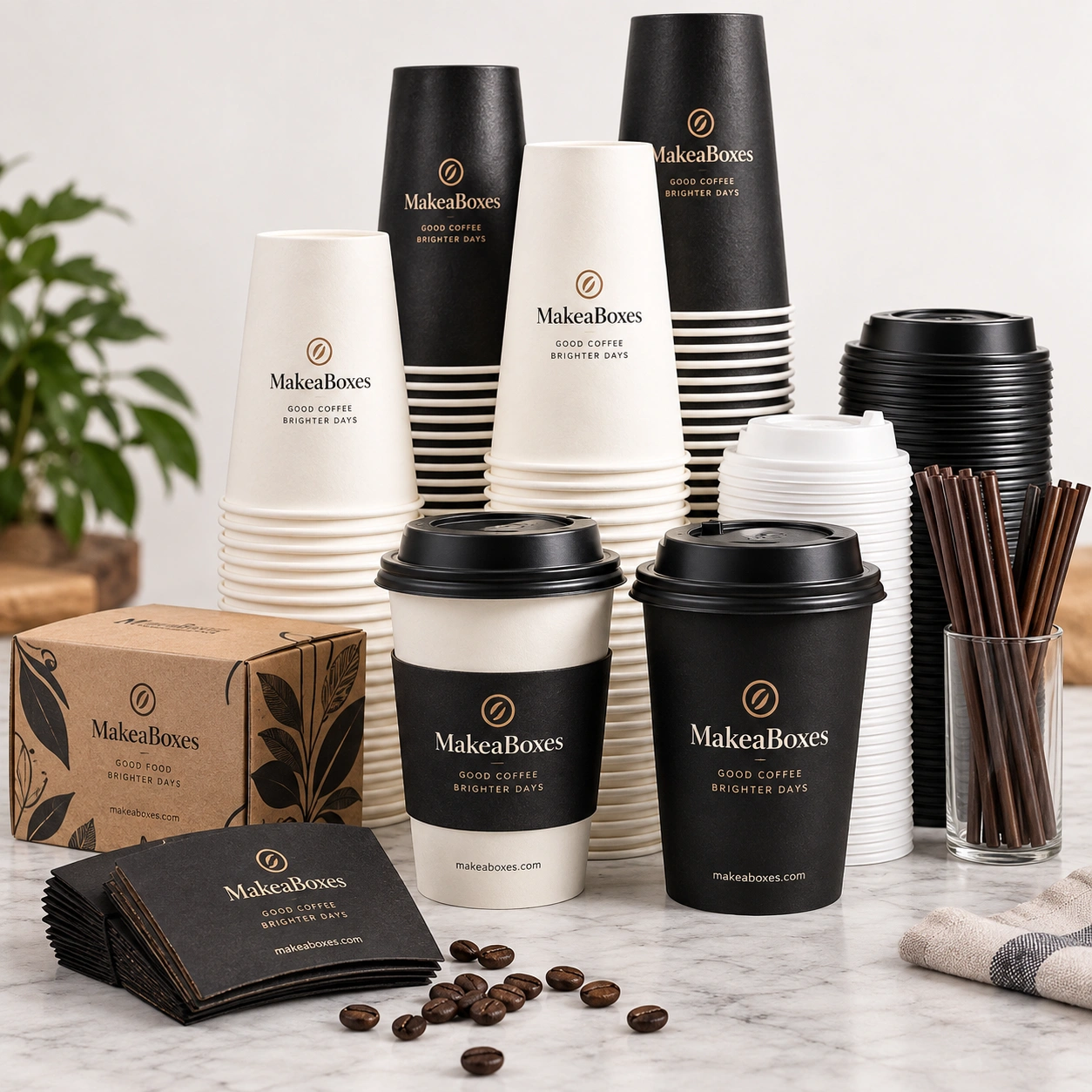
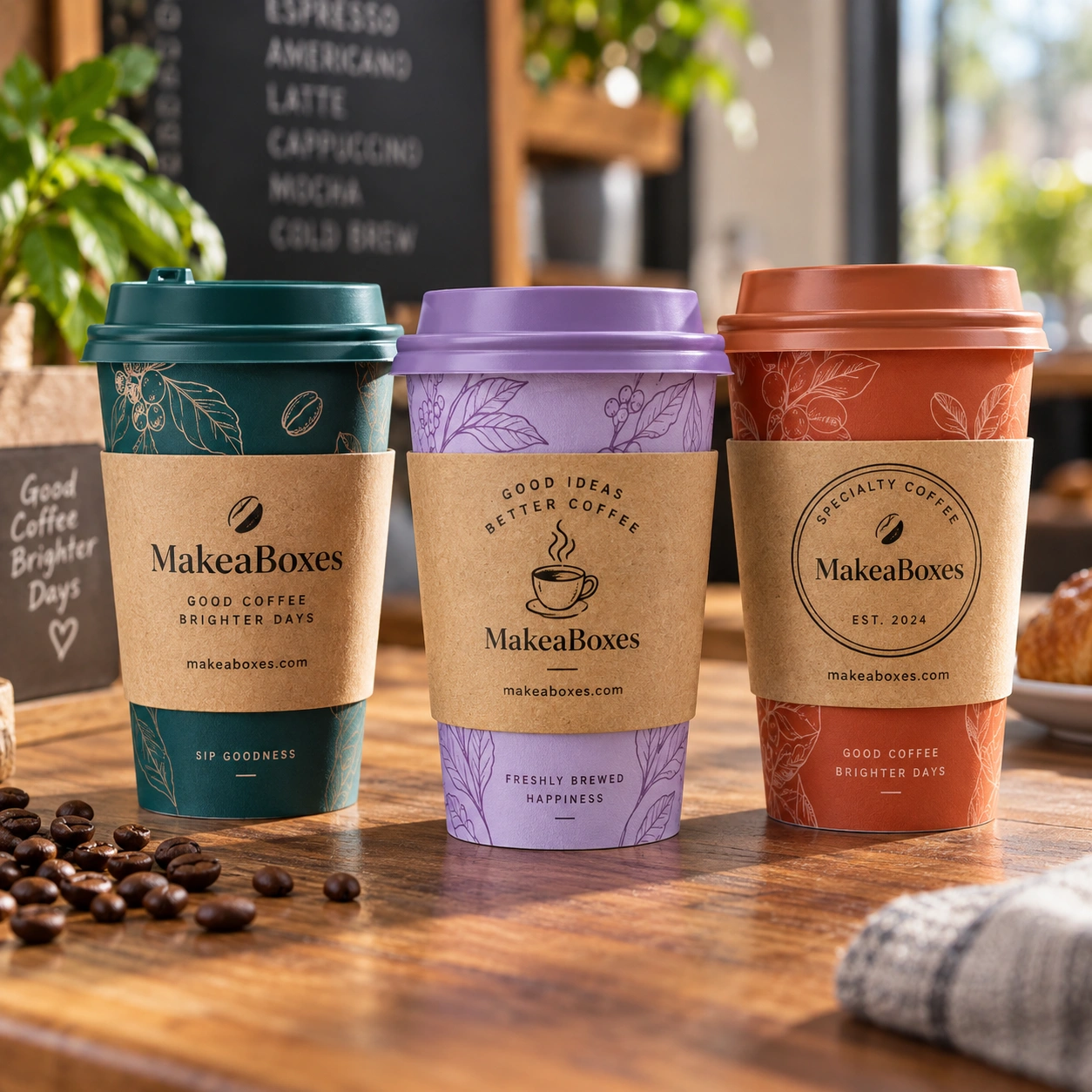
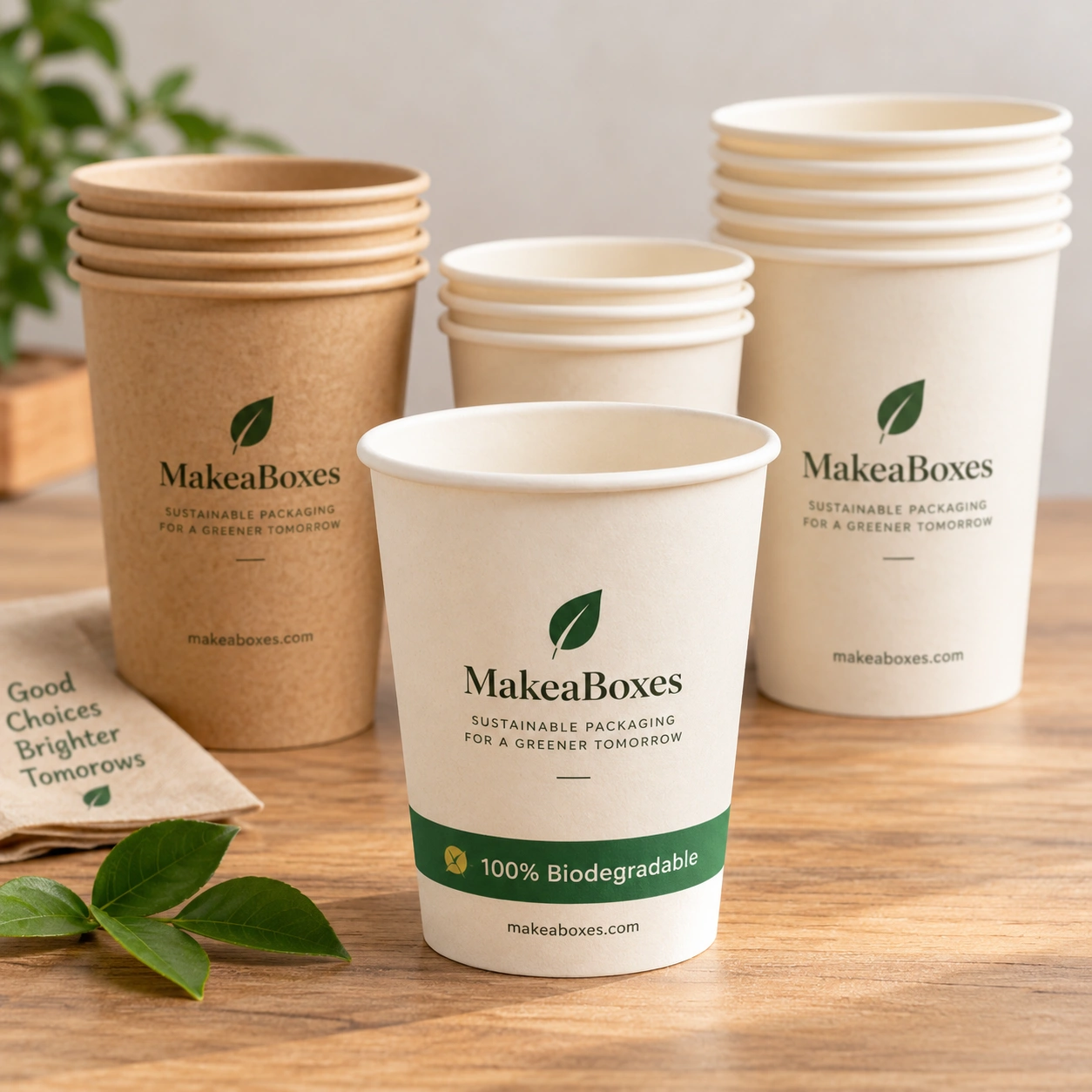
A coffee packaging program may need more than one format. Retail cartons protect and present sealed products, while cups, lids, and sleeves support hot-drink service. This collection helps roasters, cafes, restaurants, and hospitality teams choose purpose-built formats with suitable dimensions, material specifications, print areas, and case quantities. Explore each product page for its dedicated options and requirements.
Coffee Cups with Lids
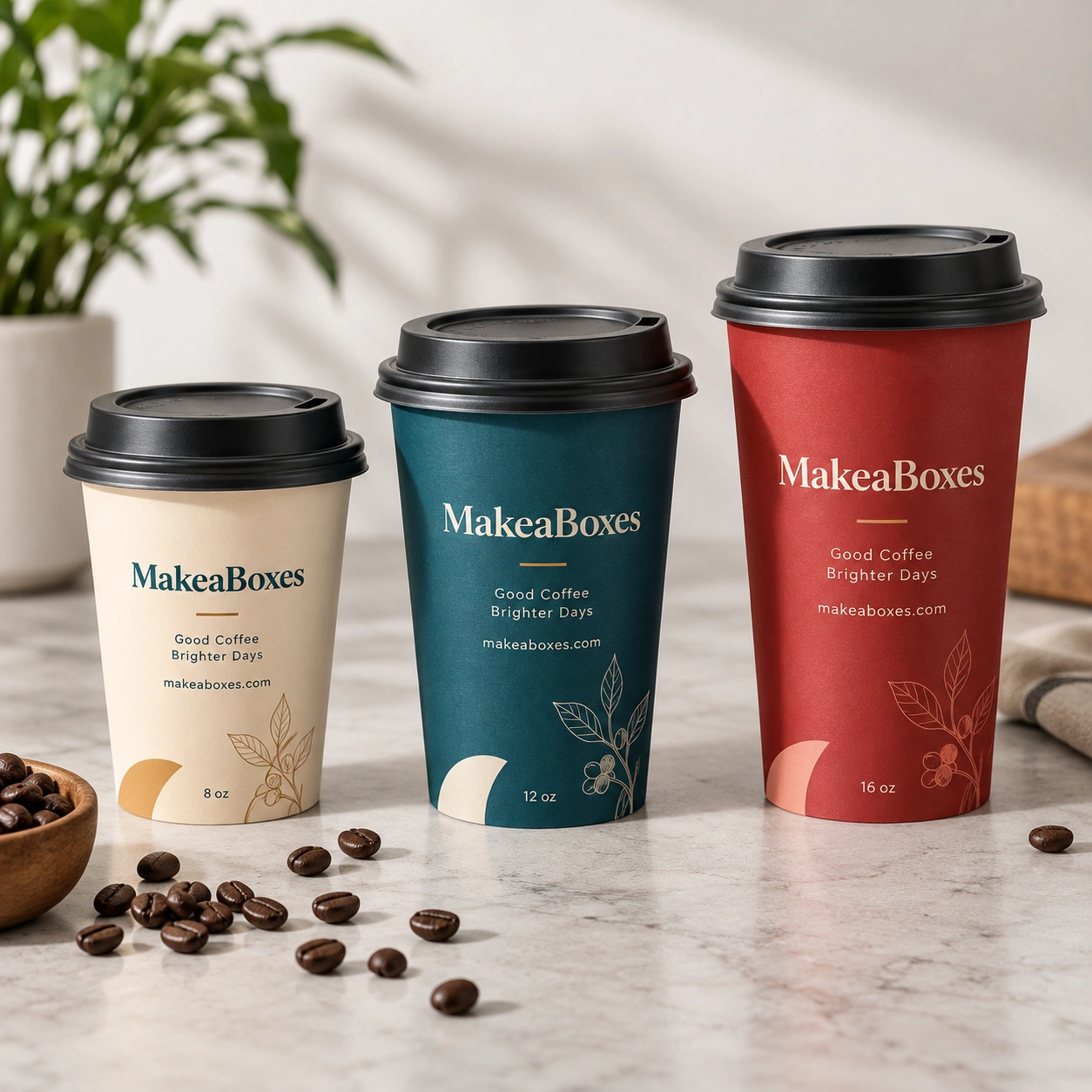
Pair compatible cups and lids by capacity, rim profile, beverage temperature, and service method to create a dependable takeaway setup.
Disposable Coffee Cups
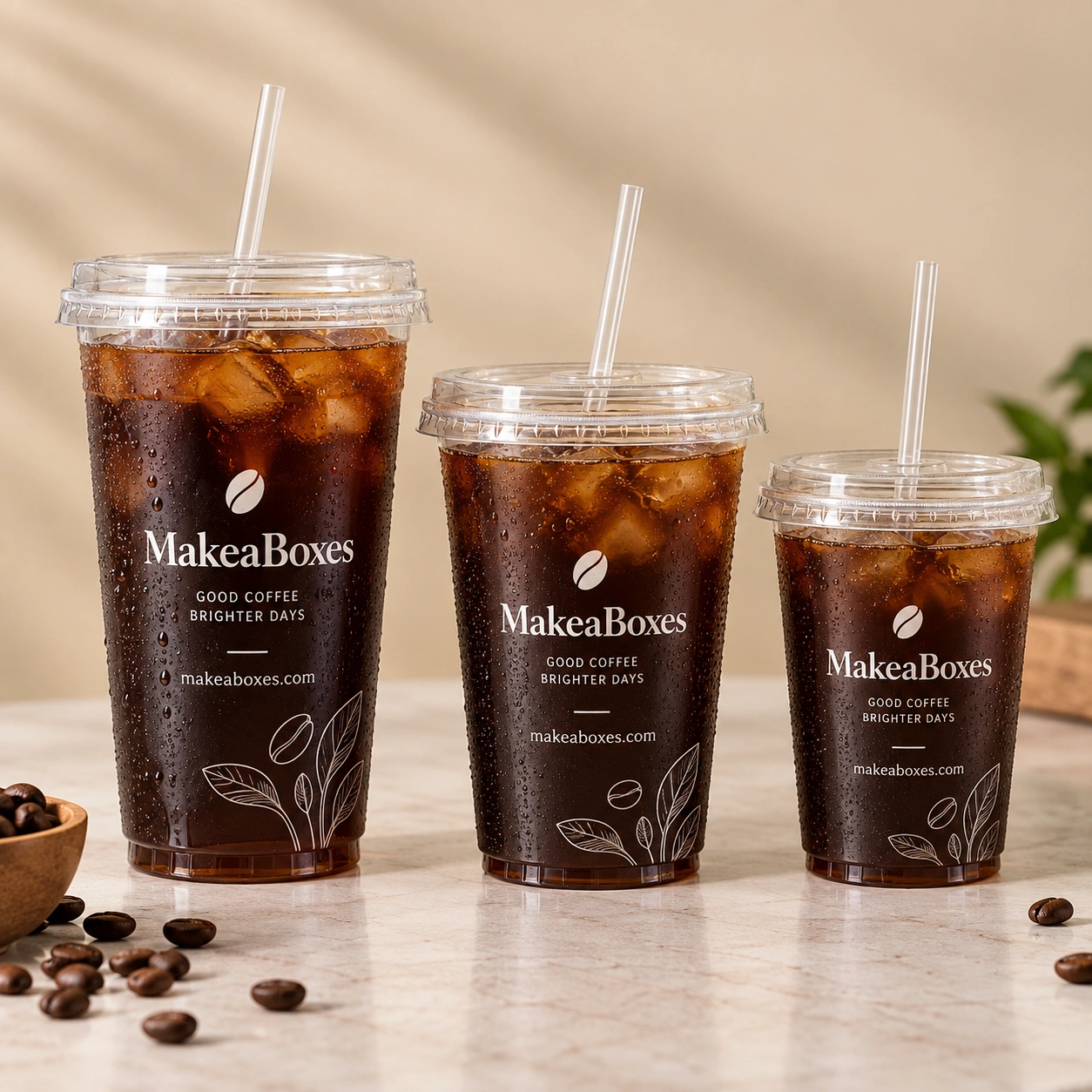
Disposable formats support quick-service counters, offices, catering, and events with practical sizing and clear areas for brand artwork.
Paper Coffee Cups
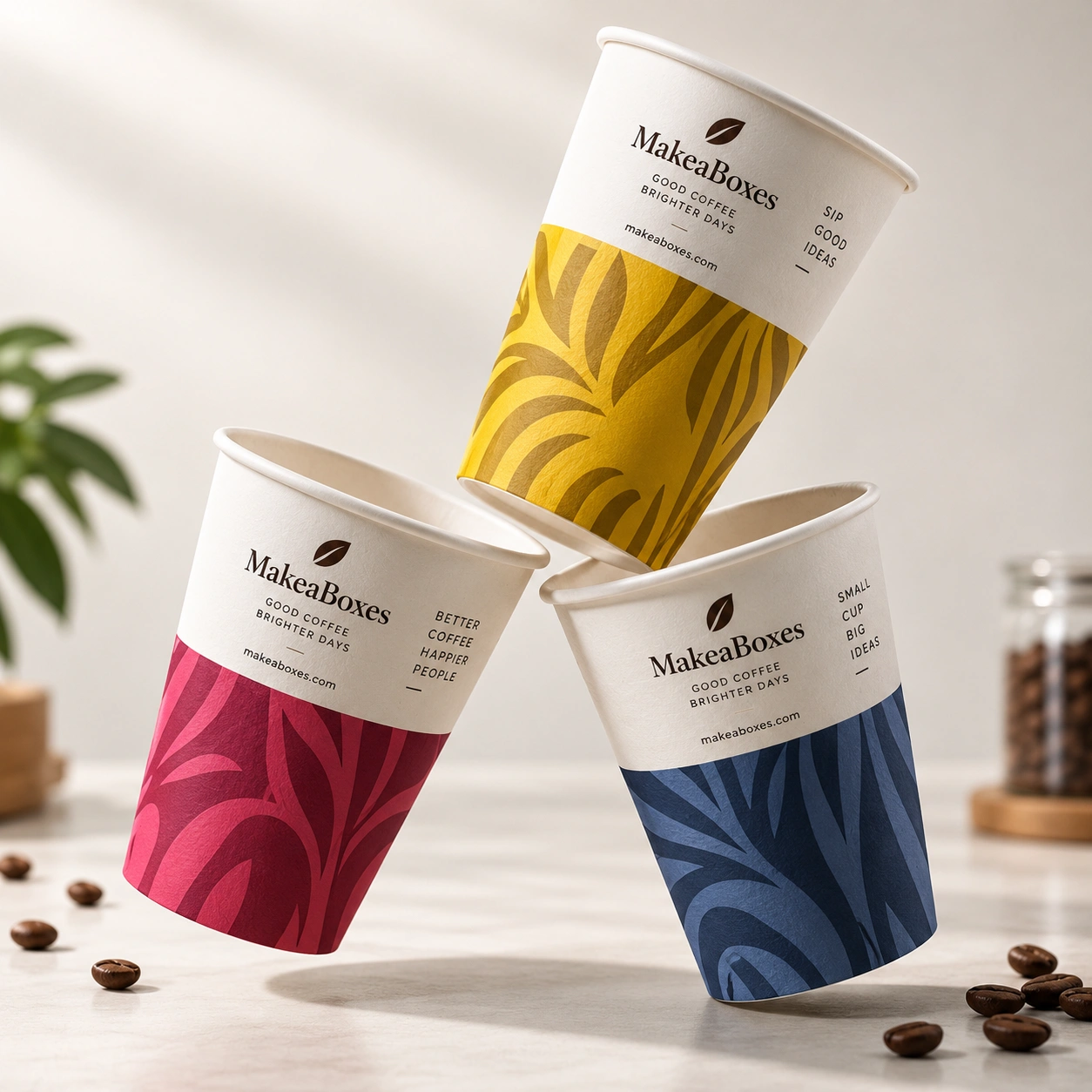
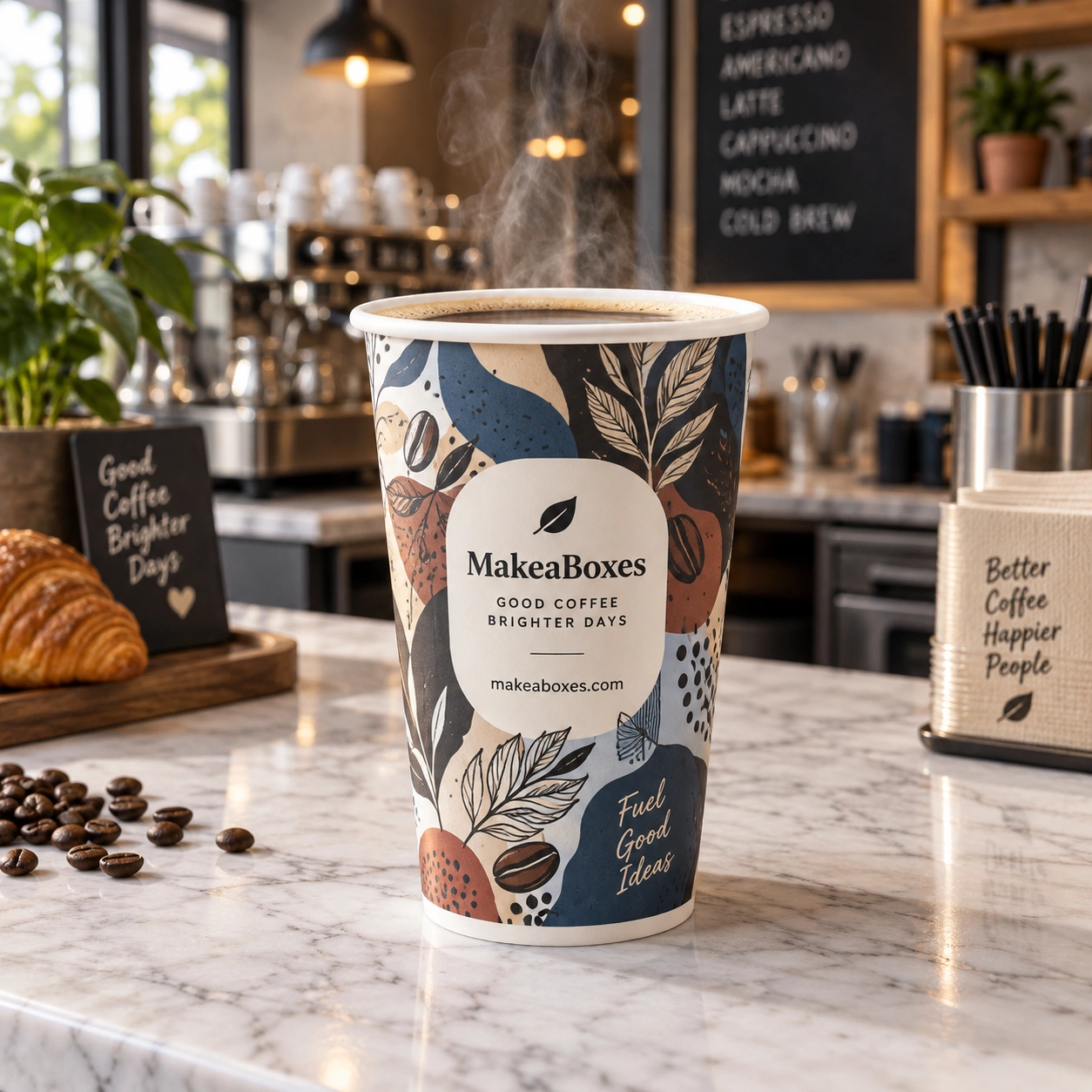
Paper-based cups provide a printable surface for logos, colors, serving information, and coordinated visual identity across daily service.
Double Wall Coffee Cups
A double-wall construction adds another paper layer for hot-drink handling while providing a broad printable surface for branded service.
Coffee Cup Sleeves
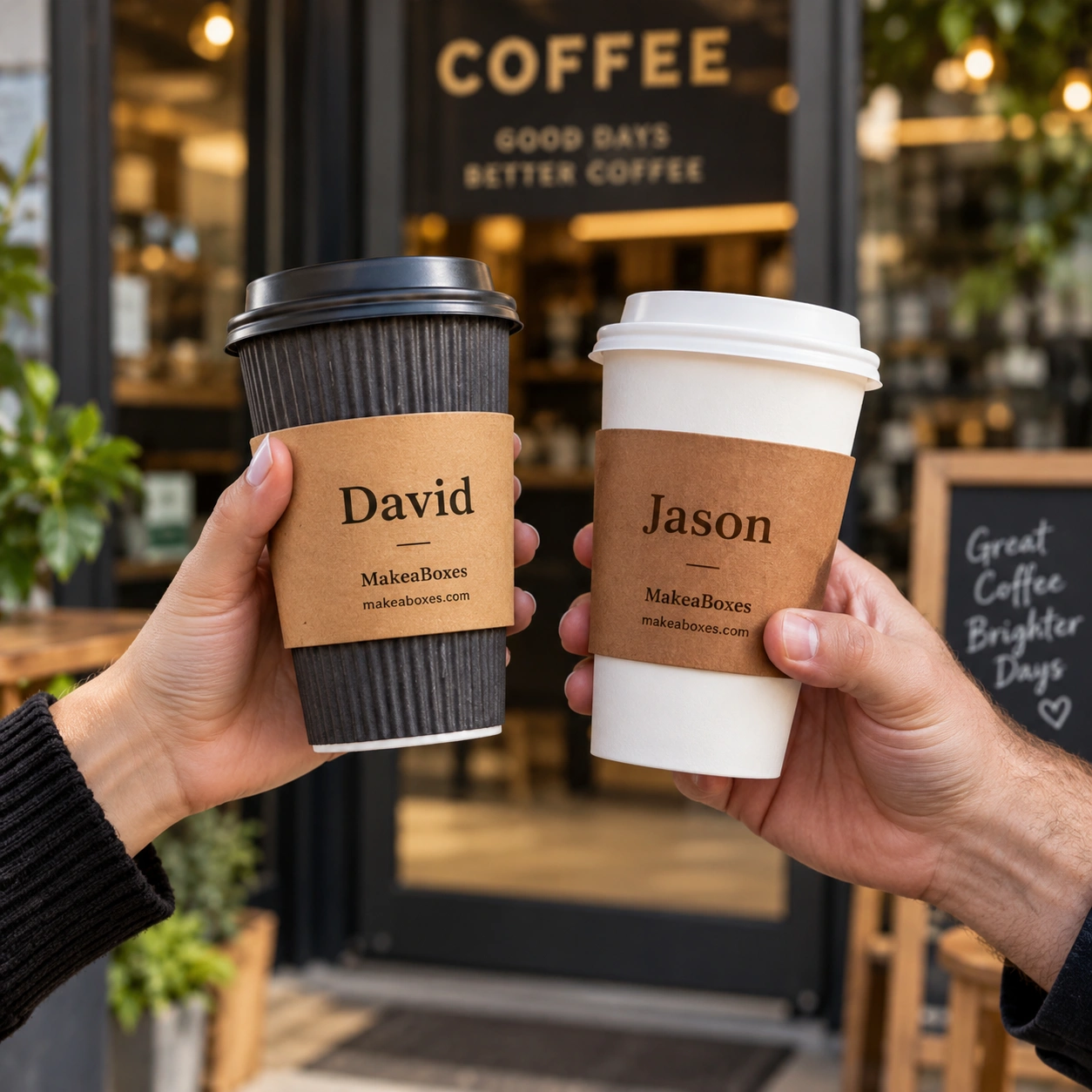
Custom-sized cup sleeves can be planned around cup taper, hand position, print orientation, and the speed of counter assembly.
To Go Coffee Cups
Takeaway cups are specified for mobile service, secure lid pairing, comfortable handling, and recognizable branding beyond the counter.
Compostable Coffee Cups
Compostable options should be selected using documented material and certification details, intended-use conditions, and realistic local collection access.
Restaurant Coffee Cups
Restaurant programs can coordinate cup capacities, artwork versions, case packs, and replenishment plans across dine-in, pickup, and catered orders.
Get A Quote
Coffee Packaging Built for Quality, Speed, and Brand Consistency
Make A Boxes creates custom packaging boxes for retail and service workflows. A useful recommendation begins with the packed product, cup or carton dimensions, order volume, sales channel, artwork, storage limits, and delivery schedule. Brands comparing a broader range of direct-contact and secondary formats can also explore custom food boxes before finalizing a coordinated program
Why Coffee Brands Choose Custom Coffee Boxes Wholesale
Independent roasters, cafe groups, restaurants, subscription businesses, and retail coffee brands use custom coffee boxes wholesale to keep sizing, artwork, materials, and replenishment consistent as demand grows. A well-defined specification reduces variation between orders and helps purchasing teams compare quantities, finishes, lead times, and case packs accurately. With custom printing and repeatable dielines, wholesale coffee boxes and wholesale coffee packaging boxes can support launches, seasonal blends, gift programs, and everyday retail without losing the visual identity customers recognize.

Protects Products Through Handling
Right-sized cartons reduce movement around sealed coffee bags, tins, jars, or gift components. Appropriate board strength, closures, and internal spacing help the outer package retain its shape during case packing, shelf handling, and delivery.

Builds a Recognizable Coffee Brand
Consistent colors, logo placement, typography, and finishes connect retail coffee packaging boxes with cups and sleeves, making the brand easier to recognize at the shelf, counter, office, event, or doorstep.

Supports Retail, Cafe, and E-Commerce Sales
Custom coffee packaging boxes can be configured for shelf presentation, gift sets, subscription fulfillment, hospitality programs, or takeaway service. Structure and material choices should reflect the real handling route rather than appearance alone.

Simplifies Ordering and Pack-Out
Approved dielines, version-controlled artwork, clear size codes, defined case packs, and repeatable specifications help purchasing and operations teams identify, store, replenish, and use packaging more consistently.
Personalized Coffee Boxes That Protect, Present, and Promote Every Roast.
Coffee brands differ in product format, serving conditions, distribution, price point, and presentation. Make A Boxes can combine material, structure, fit, printing, and special features to produce branded coffee boxes for the intended retail or service environment. When a component will touch a beverage or food directly, the exact substrate, coating, ink system, adhesive, and intended conditions of use should be confirmed before production.

SBS paperboard
A smooth printable stock for paperboard coffee boxes, clear text, detailed artwork, and premium retail presentation.
Kraft Paperboard
A natural-looking option for kraft coffee boxes and restrained brand designs, subject to the chosen coating and print process.
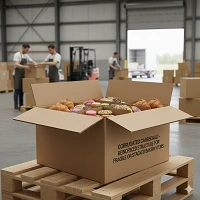
Corrugated Cardboard
Fluted construction for cardboard coffee boxes, larger kits, mailers, and shipping applications that need additional compression resistance.
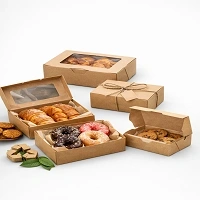
Recycled Paperboard
An option when recycled-content percentages, coatings, and the recovery route are documented for the quoted specification.
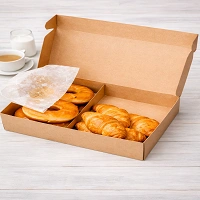
Cup Stock and Barrier Systems
Selected according to beverage temperature, dwell time, direct-contact requirements, forming process, and supplier documentation.
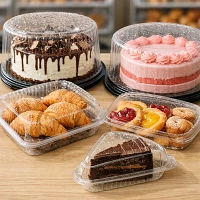
Surface Treatments
Matte, gloss, aqueous, or soft-touch options chosen for appearance, rub resistance, handling, and the package's intended end of life.
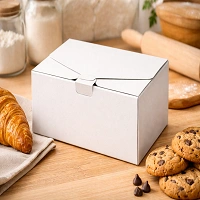
Tuck-End Cartons
Straight or reverse tuck cartons for sealed coffee pouches, sachets, pods, accessories, and lightweight retail products.
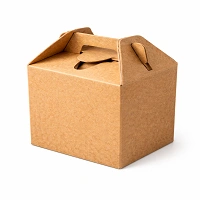
Auto-bottom or Snap-lock Cartons
For faster assembly and added base support where the packed weight requires it.
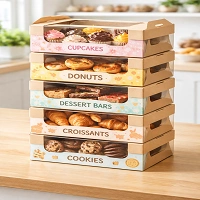
Tuck-top Mailers
For coffee subscriptions, sample kits, promotional sets, and direct-to-customer fulfillment.
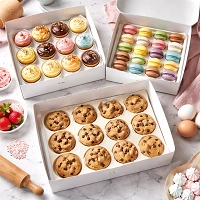
Two-piece and Rigid Structures
For premium coffee packaging boxes, corporate gifts, and high-value launch kits.
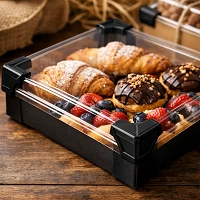
Dividers or Fitted Interiors
For organizing multiple sealed components and limiting movement.
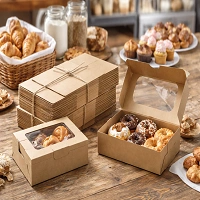
Custom-Fit Dimensions
Custom size coffee boxes developed around the packed product instead of forcing a standard structure around an unsuitable fit.
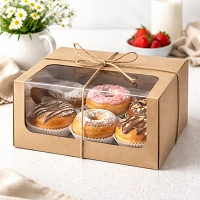
Precise Internal Fit
Internal carton dimensions planned around the sealed primary package, labels, valves, closures, and required packing clearance.
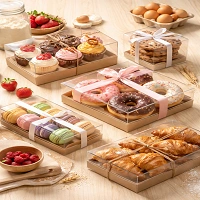
Cup & Lid Compatibility
Cup capacity and rim compatibility checked with actual samples before matching lids across product lines.
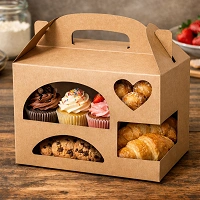
Secure Sleeve Placement
Sleeve dimensions adjusted to cup taper and placement so the wrap sits predictably during service.
Strength-Matched Board
Board caliper and flute selection matched to packed weight, stacking, storage, and distribution conditions.
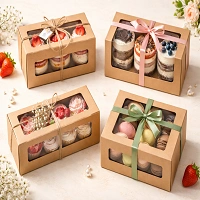
Purpose-Built Barrier Layers
Coatings and barrier layers specified for their real use rather than assumed from a generic material name.
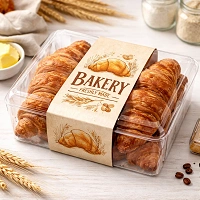
Prototype Fit Testing
Prototype testing used to assess fit, assembly sequence, print orientation, hand feel, and the complete opening or serving experience.
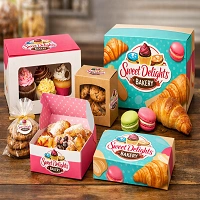
Full-Color CMYK Printing
Full-color CMYK printing for photography, illustrations, gradients, origin stories, and seasonal blend artwork.
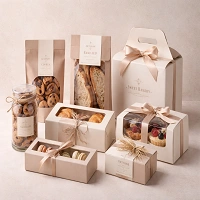
Pantone Color Matching
Pantone matching where tighter control of signature brand colors is important across cartons, cups, and sleeves.
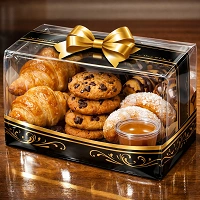
Strategic Logo Placement
Coffee packaging boxes with logo placement planned across the main display panel, side panels, closure, and optional interior print.
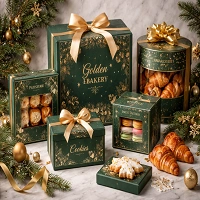
Premium Logo Treatments
Custom coffee boxes with logo treatments such as foil, embossing, or spot UV used selectively so brand information remains clear.
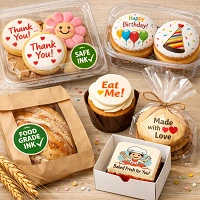
Inside Printing
Inside printing for brewing notes, QR destinations, loyalty messages, gift copy, or a branded unboxing sequence.
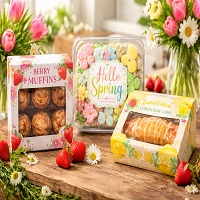
Tactile & Reflective Effects
Foil stamping, embossing, debossing, and spot UV for selective tactile or reflective emphasis on premium coffee boxes.
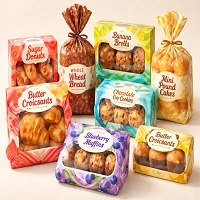
Branded Surface Finishes
Matte, gloss, soft-touch, textured, and natural kraft surfaces selected for the intended shelf presence and handling environment.
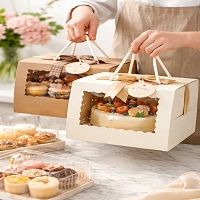
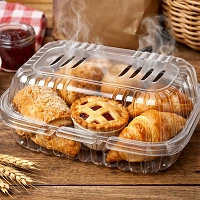
Product-View Windows
Die-cut windows for product visibility when the inner package and window film are compatible with the intended structure and recovery route.
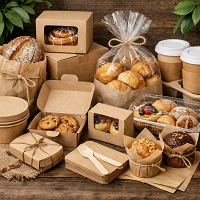
Easy-Open & Secure Closures
Perforations, tear strips, locking tabs, or resealable structural features selected for access and tamper-evident presentation needs.
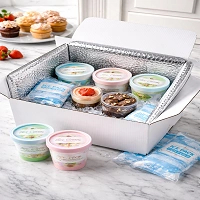
Gift & Subscription Inserts
Printed cards, tasting notes, dividers, tissue, or paper wraps for gift and subscription programs.
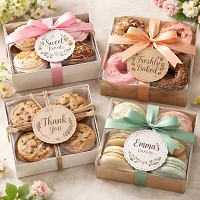
SKU & Roast Identification
SKU, roast, grind, origin, size, and date-code zones organized so operations teams can identify versions quickly.
Flexible Pack-Out Options
Flat-pack, pre-glued, nested, or case-packed configurations chosen around storage space and assembly labor.
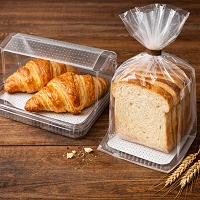
Verified Environmental Claims
If a brief requests eco friendly coffee boxes, identify the specific material, coating, recycled content, and disposal pathway instead of relying on a broad claim.
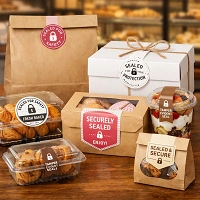
Qualified Recyclability Details
Recyclable coffee boxes quoted with clear material details and suitable qualifications where local collection facilities or component separation may vary.
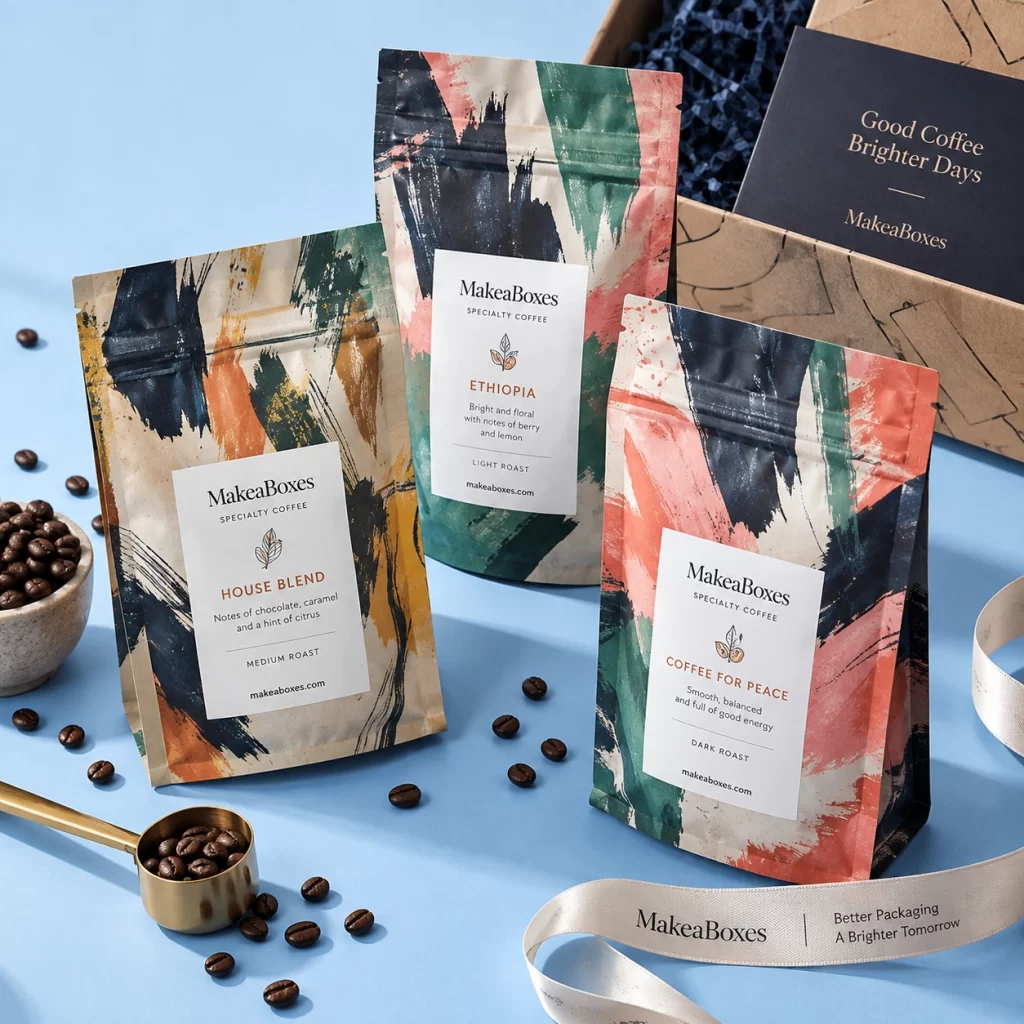
Real Coffee Products, Real Workflows, Reliable Packaging Decisions
Choosing coffee box packaging is a fit-and-use decision. A retail carton must suit the sealed inner pack, while a cup program must account for capacity, rim profile, lids, beverage temperature, and service speed. Testing an assembled sample with the real product is the most practical way to catch clearance, closure, stacking, artwork, and handling issues before a wholesale run.
Size Guide
How to Choose the Right Coffee Packaging
- Measure a sealed coffee pouch, tin, jar, or gift component at its widest, longest, and highest packed points.
- Include valves, folded seals, labels, closures, cards, dividers, and protective layers in the required internal space.
- Allow practical loading clearance without leaving enough empty space for excessive movement.
- For cups, confirm fluid capacity, brimful capacity, top and base diameter, height, rim profile, and lid compatibility using samples.
- Test how cartons and cup cases stack in the actual shelf, stockroom, delivery rack, shipper, or storage area.
- Confirm outer dimensions and case quantities before finalizing freight, warehousing, and replenishment plans.
How We Make Our Coffee Boxes
- Start with the product format, packed dimensions, weight or capacity, quantity, artwork, sales channel, and delivery requirements.
- Select the board, cup stock, coating, barrier, and thickness appropriate to the documented conditions of use.
- Create or adapt the dieline for panels, closures, glue areas, print zones, sleeves, lids, inserts, and required tolerances.
- Place artwork inside safe areas and review logos, colors, barcodes, instructions, regulatory copy, and fold relationships.
- Produce the suitable digital proof, structural sample, printed prototype, or production sample for fit and appearance approval.
- Print, form, cut, finish, glue, inspect, case-pack, and dispatch the order against the approved specification.
Boxes Built for Bakers Who Care About Quality.
Frequently Asked Questions
Got questions? These answers cover the sizing, materials, printing, quantities, and scheduling details coffee brands commonly need before requesting a quote.
1. How do I choose the right size for custom coffee boxes?
Measure the coffee product after the inner pouch, tin, jar, wrap, label, or closure is finalized. Include valves, folded seals, inserts, cards, and loading clearance. If the category project includes cups, provide physical cup and lid samples or exact manufacturer specifications so compatibility can be checked before production.
2. Which materials work best for coffee packaging boxes?
SBS and kraft paperboard work well for printed folding cartons, corrugated board provides additional strength for mailers and larger kits, and rigid board supports premium gift presentation. Direct-contact cups require a specification suited to the beverage temperature, exposure time, coating, ink, adhesive, and intended use. The final recommendation should be documented in the quotation.
3. Can Make A Boxes print my logo on cartons, cups, and sleeves?
Printing options depend on the material, structure, forming method, order quantity, and artwork. Provide vector logos, brand-color references, required copy, and Pantone colors when applicable. A digital proof confirms placement; request a physical or production sample when color, fit, or finish is critical.
4. Can I order wholesale coffee boxes for several products or locations?
Yes. Businesses comparing coffee boxes wholesale should list every size, capacity, artwork version, material, finish, quantity, case pack, delivery location, and required date separately. For custom coffee boxes wholesale across several SKUs, clear version names and approval records help keep the program consistent. Wholesale coffee packaging boxes can then be quoted against the complete specification.
5. What is the production time for custom printed coffee boxes?
Make A Boxes currently promotes typical U.S. production of 8 to 12 days, but the confirmed schedule depends on structure, quantity, material availability, printing, finishes, sampling, artwork approval, and destination. Use the written project schedule rather than a general estimate when planning a launch or replenishment.