Plan Around the Fold
Your folding method determines the space the garment needs. Establish a repeatable fold before setting dimensions, then check thicker sizes and styles rather than measuring only the smallest item.

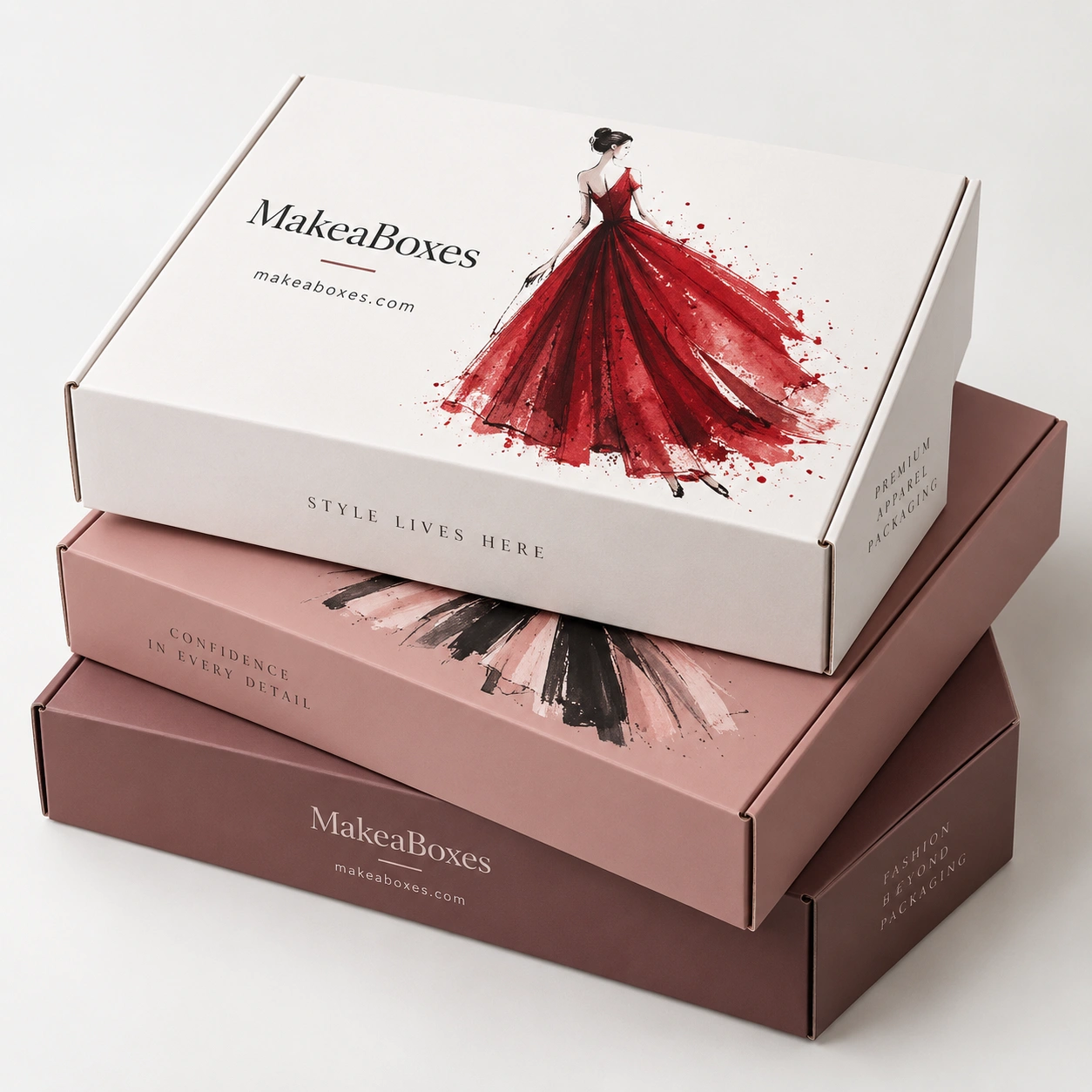
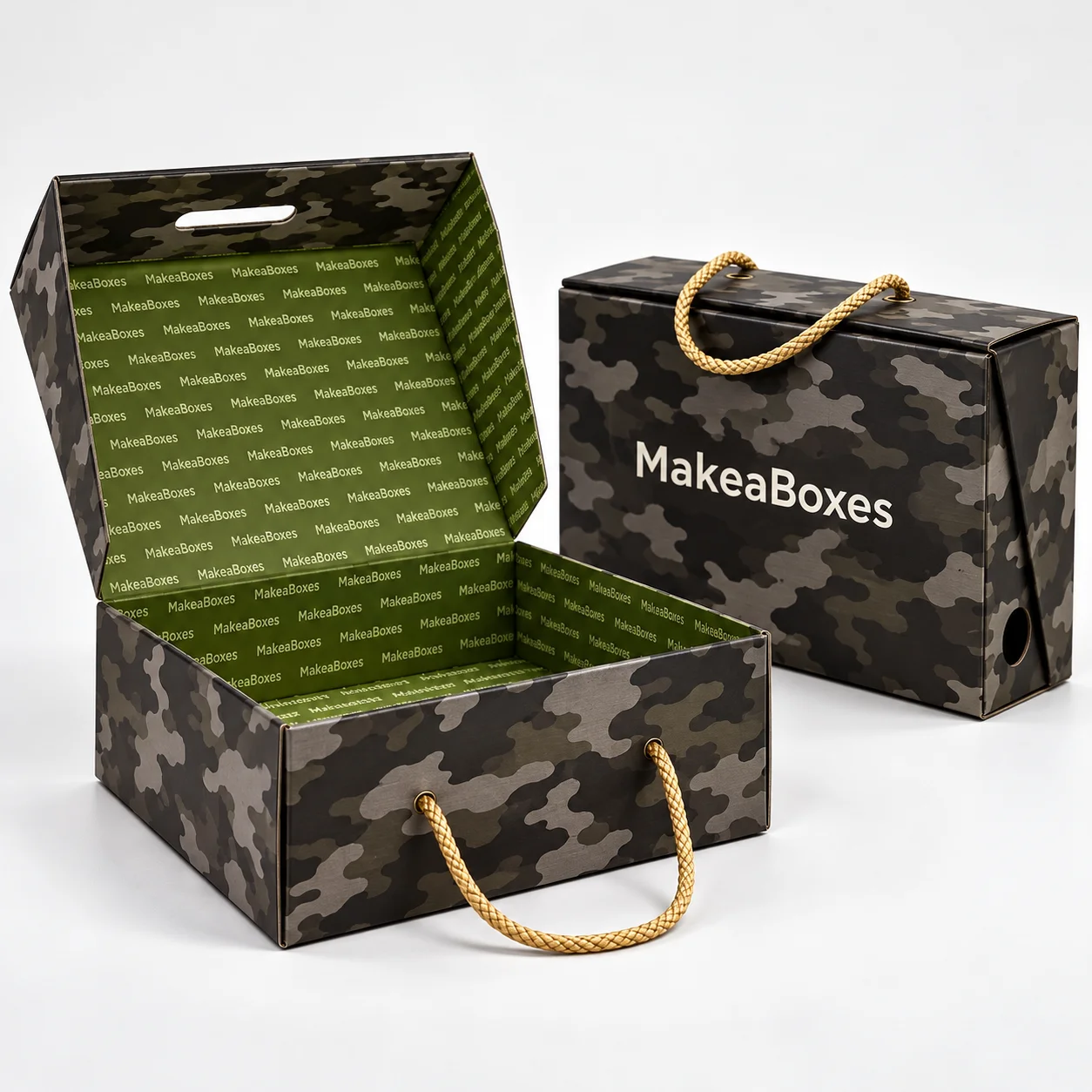
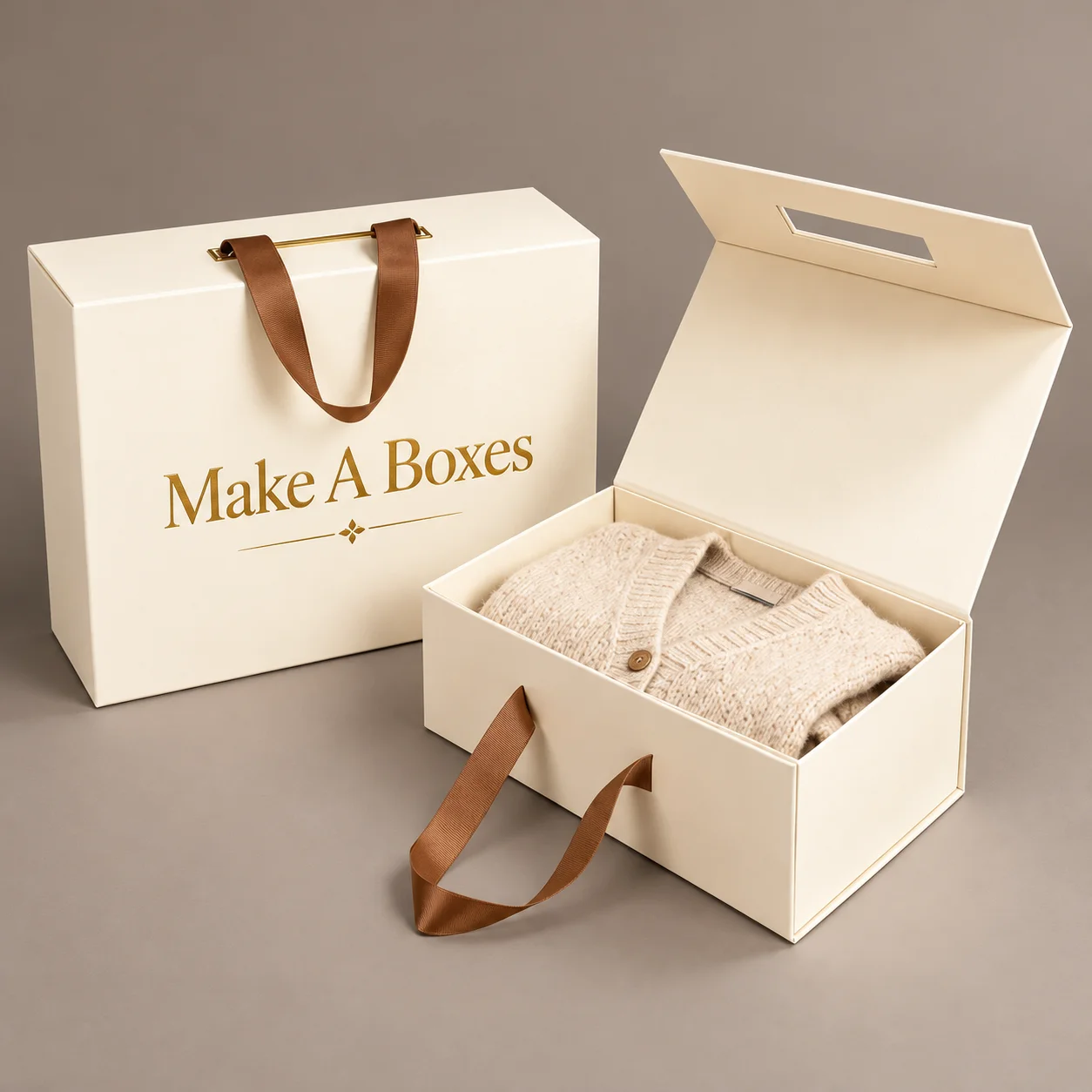
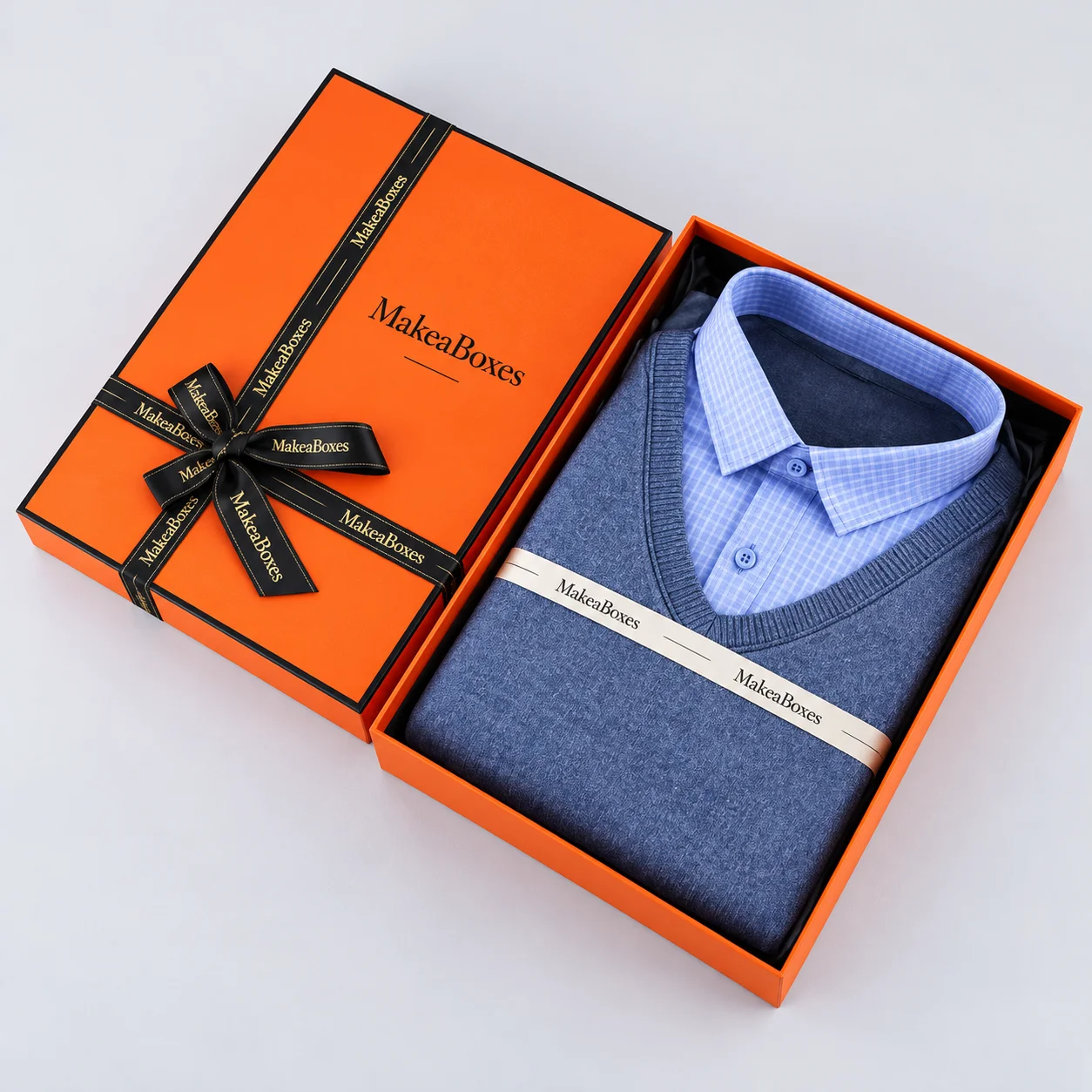


Fold the garment the way it will be packed, with tissue, tags and any accessories. The usable interior should hold that stack without crushing the fabric or leaving it loose.

A box for a shop counter, a gift and a parcel insert each do a different job. Choose the structure and closure for the main use, and check that it closes flat with everything inside.

Put your logo and key information on the panel customers see first. Check the artwork on an assembled box, since folds and edges can change how a flat layout reads.

Clothing boxes give folded garments a defined presentation for retail sales, gifting, and customer orders. Unlike a loose bag or wrap, a structured box creates space for a planned arrangement, printed messaging, and an opening experience that introduces the collection.
The starting point is the packed garment, not its size on a hanger. Fold the item as your team intends to sell it, then measure the complete bundle. Fabric thickness, attached tags, tissue layers, and decorative details can all change the space required. A lightweight top and a substantial knitted garment may need different box depths even when their folded footprints look similar.
For premium gift collections, explore our custom rigid boxes for a more structured presentation. Custom clothing packaging lets you balance those practical requirements with the look of your brand. Folding paperboard cartons can suit lightweight retail presentations and compact storage before assembly. More substantial presentation styles may be appropriate for gift collections. Material and structure should be selected together, based on the contents and intended handling.
For clothing gift boxes, plan what customers will see when they lift the lid. A neatly wrapped garment, a visible collection card, and a clear arrangement can create a thoughtful presentation without filling the box with unnecessary components. If the pack includes several pieces, consider whether tissue or a divider will help keep the arrangement organized.
Custom printed clothing boxes also provide room to distinguish collections and product variations. Keep shared elements such as logo position and typography consistent, then adjust artwork or labels for seasonal releases and different sizes. Important information should remain readable across folds and away from closure areas.
A presentation box is not automatically suitable for parcel delivery. If orders will travel directly to customers, assess the complete shipping pack separately. Explore our custom shipping boxes when your clothing presentation needs a protective outer carton.
Build your specification around the garment and the way your team works.


Send measurements, photos and packed weight. Explain whether the box is for store display, gifting or packing inside another container.

Compare box styles by fit, storage space, packing speed and the way customers should open the box.

Review stock for stiffness, folding, appearance and print requirements. Confirm how the material will hold up across folds and closures.

Supply your logo, graphics and product text. Arrange the artwork on the dieline with the main display area, seam and folds clearly marked.

Approve the dimensions and artwork. Where needed, check an assembled sample with the actual product to assess loading, closure and presentation.

Finalize the quantity, artwork versions, finishing, packing arrangement and delivery requirements before authorizing production.
Your folding method determines the space the garment needs. Establish a repeatable fold before setting dimensions, then check thicker sizes and styles rather than measuring only the smallest item.
Clothing boxes with lids can provide a clear reveal for gift and retail presentations. Check that the lid closes comfortably over the complete contents and can be lifted without disturbing the arrangement.
Clothing boxes with logo printing should remain recognizable in the way they are actually displayed. A design viewed from above may need different artwork placement from one stacked on a retail shelf.
When planning clothing boxes wholesale, record the dimensions, material, finish, artwork revision, and quantity for every version. This helps avoid confusion when several collections use similar packaging.
Measure the garment after folding it into its intended selling presentation. Include tissue, tags, cards, and any other contents. Check the thickest or largest version you expect to pack before confirming whether one box size will suit the range.
Sometimes, but it depends on their folded dimensions and thickness. A shared size may work for similar items, while a bulky garment or multi-piece set may need a deeper box. Compare actual packed samples before standardizing.
Include both exterior and interior printing requirements in your brief. Confirm which panels can be printed on the selected structure and material, then review artwork orientation on the dieline before approval.
Not necessarily on their own. A gift box may be designed primarily for presentation rather than parcel handling. Assess the packed weight, structure, closure, and delivery conditions to determine whether an outer shipping carton is needed.
Share the internal dimensions or packed garment measurements, preferred box style, quantity per size and design, printing requirements, finish preferences, and delivery location. Note any tissue, divider, or sampling requirements so they can be considered in the quotation.