
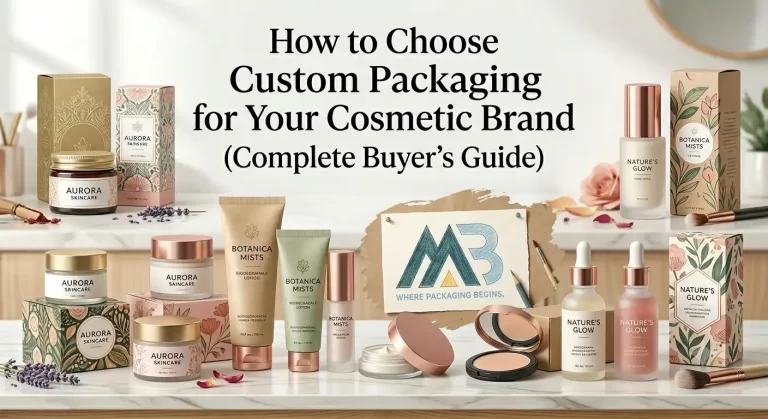
Why Cosmetic Packaging Matters More Than Ever
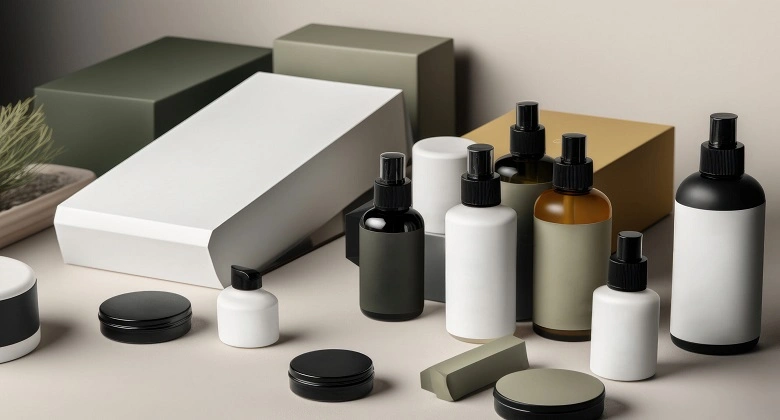
Consumers judge products visually before they buy them. In cosmetics, packaging often influences buying decisions more than the product description itself.
Imagine two skincare serums sitting side by side online or on a retail shelf. One comes in generic packaging. The other has elegant branding, premium finishing, and a luxury feel. Most customers will naturally gravitate toward the premium-looking option.
Good packaging helps you:
- Build trust instantly
- Create a memorable customer experience
- Increase perceived product value
- Stand out in crowded markets
- Encourage repeat purchases
- Improve social media sharing
- Protect your products during shipping
In short, your custom cosmetic packaging is part of your marketing strategy.
Your Packaging is Selling the Product Before the Formula Does
In the beauty industry, first impressions happen long before someone reads the ingredient list or understands the science behind a formula. Your packaging becomes the first conversation your brand has with a potential customer, and in many cases, it determines whether they stop scrolling or keep moving.
Beauty customers buy emotionally first.
Logic comes later.
When someone is browsing skincare or cosmetic products online, they are making split-second decisions based on visual cues rather than performance claims. Before they read about peptides, niacinamide, or clinical testing, they are subconsciously evaluating how the product “looks” and “feels”
A customer scrolling through skincare products is instantly reacting to things like:
- Colors
- Shapes
- Texture
- Typography
- Layout balance
- Label design
- Bottle style
- Overall aesthetic consistency
These elements communicate brand positioning within seconds.
Soft pastel tones may suggest calmness, sensitivity, or minimalist skincare. Bold contrast and metallic finishes can create a premium or clinical feel. Clean typography often signals sophistication and trust, while cluttered packaging can make even a high-quality formula feel cheap or confusing.
Packaging creates perceived value before the product is ever experienced.
That means two skincare products with similar formulations can perform completely differently in the market simply because one looks more desirable, trustworthy, or premium.
This is especially important in eCommerce, where customers cannot physically test the product. They cannot smell the formula, touch the texture, or speak with a salesperson. The packaging becomes the product experience until the purchase is made.
Strong packaging design helps customers instantly answer emotional questions like:
- “Does this brand feel premium?”
- “Can I trust this product on my skin?”
- “Does this fit my lifestyle and identity?”
- “Will this look good on my shelf or in my content?”
Modern beauty consumers are not just buying skincare. They are buying identity, aesthetics, experience, and social perception.
That is why successful beauty brands invest heavily in packaging strategy, not just formulation development.
A well-designed package can:
- Increase perceived product value
- Improve click-through rates online
- Build stronger brand recall
- Encourage social sharing and user-generated content
- Create trust instantly
- Help products stand out in crowded marketplaces
Your formula matters. But the packaging is what earns the first chance to be noticed.
In today’s competitive beauty market, packaging is no longer just protection for the product. It is a silent salesperson working 24/7 to influence buying decisions before a customer ever reads a single ingredient.
First Decide: What Do You Want Customers to Feel?

Most packaging discussions begin with a practical question:
“What bottle should we use?”
But that is the wrong place to start.
The real question is:
“What should customers feel when they hold our product?”
That single shift changes the entire packaging strategy because successful cosmetic packaging is not just about functionality, it is about emotional positioning. The materials, colors, textures, shapes, and finishing details all influence how customers perceive your brand before they ever use the product itself.
Packaging Should Reflect Brand Image
Different beauty brands require completely different emotional experiences.
If your brand focuses on clinical, science-backed skincare, the packaging should communicate trust, simplicity, and effectiveness through clean typography, airless pumps, neutral tones, and minimal distractions.
On the other hand, luxury beauty buyers expect packaging that feels elevated and indulgent. Weighty containers, premium textures, elegant finishes, sophisticated color palettes, and memorable unboxing experiences all contribute to a stronger perception of exclusivity and value.
This is why experienced founders design packaging around brand perception first, not container catalogs.
The Difference Between Attractive Packaging and Strategic Packaging
Here’s where many cosmetic brands make costly mistakes. They focus heavily on making packaging look beautiful but forget about how it actually performs in real-world use.
Attractive packaging may catch attention initially, but strategic custom cosmetic packaging keeps customers satisfied long after the purchase. In the beauty industry, appearance alone is never enough. Your packaging must protect the formula, improve usability, survive shipping, and still maintain a premium look.
Strategic packaging balances several important factors together:
- Aesthetics
- Product protection
- User experience
- Shipping durability
- Manufacturing practicality
- Brand consistency
For example, a wide-mouth skincare jar may look luxurious in product photography. But repeated finger contact can introduce bacteria and reduce hygiene. Likewise, clear packaging may appear modern and elegant while exposing sensitive ingredients like retinol or vitamin C to harmful light damage.
The best beauty brands understand this balance well. They design packaging that not only looks impressive on shelves and social media but also protects product performance and enhances customer experience at every stage.
Choosing Packaging Materials: What Actually Works Best?
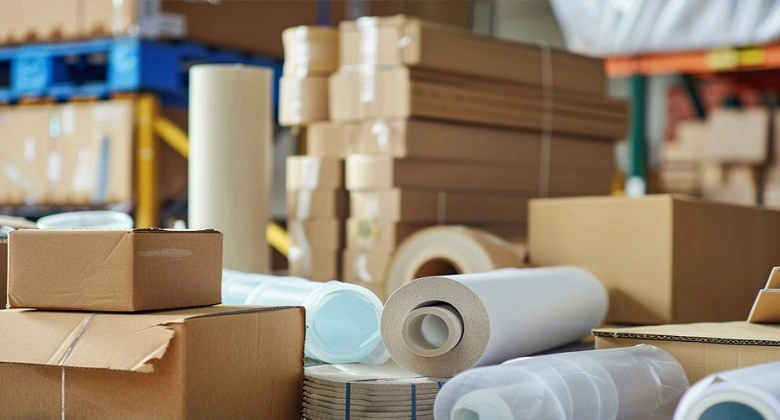
One of the biggest mistakes new beauty founders make is choosing packaging based only on appearance. In reality, packaging materials affect far more than aesthetics. They influence customer perception, shipping costs, product protection, brand positioning, and even long-term profitability.
Every material tells customers something different about your brand.
Once you’ve chosen your material, getting the dimensions right is equally important. See our complete guide to custom cosmetic box sizes: how to measure your product and avoid packaging waste.
For a full breakdown of each material option, see our guide to cosmetic packaging materials: paperboard, kraft, and rigid board explained.
Deciding between structure types? See our full breakdown of rigid boxes vs folding cartons for cosmetics and which is worth the cost.
Glass, Plastic, and Premium Material Choices
Glass packaging, for example, instantly creates a more premium impression. There is a reason luxury skincare brands consistently use glass bottles for serums, facial oils, and treatment products. Customers naturally associate glass with quality, purity, and sophistication. Frosted glass has become especially popular because it creates a clean, modern appearance that feels elevated without looking overly flashy.
The physical experience also matters. A heavy glass bottle feels expensive in the customer’s hand, which subconsciously increases perceived product value. In luxury skincare, that tactile experience becomes part of the brand itself. Customers are not just buying a formula, they are buying an experience that feels refined from the moment they open the package.
However, glass packaging comes with operational challenges that many founders underestimate early on. Shipping costs increase significantly because glass is heavier and requires additional protective packaging. Breakage risks also become a major concern, especially for direct-to-consumer brands fulfilling large order volumes. While the visual impact of glass can strengthen premium positioning, the financial trade-offs need to be considered carefully.
Plastic packaging, on the other hand, is often misunderstood. Many people assume plastic automatically makes a product feel cheap, but that depends entirely on execution. High-quality plastic packaging can still look modern, elegant, and premium when paired with strong branding, thoughtful design, and sophisticated finishes. Shape design, labeling, textures, and dispensing systems all play a huge role in how customers perceive the final product.
In fact, many successful skincare brands intentionally choose plastic because it offers practical advantages during scaling. Plastic is lighter, more durable, easier to ship, and far less likely to break during transit. For growing eCommerce brands managing thousands of monthly orders, those operational benefits can make a major difference. Smart founders understand that luxury skincare packaging decisions are not just branding decisions, they are business decisions too.
Airless and Protective Packaging for Active Formulas
Another packaging format that has become increasingly dominant in skincare is airless packaging. Premium skincare brands are moving toward airless pumps because they protect formulas more effectively while also improving the customer experience. Sensitive ingredients like Vitamin C, retinol, peptides, and antioxidants can degrade when exposed to oxygen and repeated contamination. Airless systems help preserve ingredient stability by limiting air exposure and keeping formulas protected over time.
Consumers also associate airless packaging with advanced, science-driven skincare. The packaging feels cleaner, more hygienic, and more professional, which strengthens trust in the formula itself. That perception matters enormously in modern beauty branding, where customers are constantly evaluating whether a product feels effective, innovative, and worth the price.
Ultimately, the best custom skincare packaging material depends on your brand positioning, customer expectations, operational goals, and product category. Luxury brands may prioritize the premium feel of glass, while scaling direct-to-consumer companies may benefit from the efficiency of high-quality plastic. The strongest beauty brands are not choosing materials based on trends alone, they are choosing packaging that supports both customer perception and sustainable business growth.
Packaging Design Is About Restraint, Not Decoration
One of the biggest mistakes beauty startups make is overdesigning their packaging. They try to add too many fonts, colors, patterns, and effects in an attempt to look premium. But in reality, excessive design often makes products look cheaper and less professional.
Luxury packaging usually feels simple, clean, and intentional. High-end cosmetic brands understand that confidence doesn’t need loud visuals. Instead, they focus on minimal typography, balanced spacing, soft color palettes, and consistent branding.
Customers should understand your brand personality within seconds of seeing the packaging. Whether your brand feels clinical, organic, luxurious, or playful, the design should communicate that instantly.
Experienced luxury cosmetic packaging manufacturers often guide brands toward timeless, clean packaging systems because trend-heavy designs can look outdated very quickly.
For a full breakdown of every finish option and which one suits your brand, see our complete guide to foil stamping, soft-touch lamination, and UV coating for cosmetic boxes.
Once you’ve settled on materials and finishes, the next step is preparing your actual print files. See our guide to designing cosmetic packaging, dielines, and print-ready files.
The Unboxing Experience Is Now Part of Your Marketing
Cosmetic packaging no longer lives only on store shelves. Today, it lives online across TikTok, Instagram, YouTube, and beauty blogs.
Customers now share unboxing videos, product reviews, and aesthetic shelf photos regularly. This means your packaging becomes part of your marketing strategy.
Details like texture, opening experience, printing quality, inserts, tissue wrapping, and internal presentation now influence customer perception more than ever.
A memorable unboxing experience creates excitement. It also encourages customers to share your products online naturally. That kind of organic exposure can significantly increase brand visibility and customer trust.
Brands that design packaging with social sharing in mind often create stronger emotional connections with buyers.
Learn how packaging drives loyalty in our guide to the unboxing experience and how it drives repeat purchases.
Sustainability Is No Longer a “Bonus”
Modern beauty consumers care deeply about sustainability. Many customers now pay attention to whether packaging is recyclable, refillable, reusable, or responsibly sourced.
Sustainability is no longer just a marketing feature. For many shoppers, it directly influences buying decisions.
However, customers still expect sustainable packaging to feel attractive and premium. That’s why cosmetic brands now focus on balancing luxury aesthetics with eco-friendly materials and lower packaging waste.
Many brands are reducing unnecessary secondary packaging, switching to PCR plastics, or introducing refill systems to lower environmental impact.
The goal is not perfection overnight. The goal is making smarter, more intentional packaging decisions that align with both customer expectations and long-term sustainability trends.
See our complete guide to sustainable cosmetic packaging that doesn’t compromise on luxury.
Your Supplier Choice Can Make or Break Product Quality

Behind every successful beauty product is a reliable packaging supplier working quietly in the background. While many cosmetic brands spend enormous amounts of time perfecting formulations, branding, and marketing campaigns, packaging suppliers often have just as much influence on the final customer experience.
A weak supplier relationship can create problems that slowly damage both operations and brand reputation.
Late shipments can delay launches. Poor-quality pumps can frustrate customers. Inconsistent colors can make products look unprofessional on retail shelves or social media. Weak packaging materials can lead to leaks, cracks, or damaged deliveries. Over time, these small production issues add up and begin affecting customer trust, repeat purchases, and online reviews.
In the beauty industry, consistency matters enormously.
Customers expect the product they receive today to look exactly like the product they purchased last month. Even minor differences in texture, finish, printing quality, or bottle appearance can make a brand feel unreliable or lower in quality.
This is why experienced founders spend significant time vetting suppliers carefully before committing to production.
Packaging Suppliers Influence Brand Perception
Many new beauty businesses make the mistake of comparing suppliers based only on pricing. While cost matters, choosing the cheapest supplier often becomes more expensive in the long run due to production errors, wasted inventory, shipment delays, and customer complaints.
The best cosmetic packaging companies suppliers do much more than manufacture containers.
The right supplier helps protect product consistency, supports smoother operations, improves delivery timelines, and contributes to the overall premium feel of the brand. In many cases, suppliers also help brands solve technical challenges related to compatibility, durability, sustainability, and scalability.
That partnership becomes even more important as a business grows.
A supplier that works well for small orders may struggle when production volumes increase. Without proper systems, scaling can lead to inconsistent quality, manufacturing bottlenecks, or fulfillment issues that hurt customer satisfaction.
Questions Smart Brands Ask Before Choosing a Supplier
Experienced beauty founders know that supplier selection requires deeper evaluation than simply reviewing a product catalog.
Important questions include:
- Do they specialize specifically in cosmetic packaging?
- Can they maintain color consistency across multiple production batches?
- What quality control systems are in place during manufacturing?
- Have they worked with established or premium beauty brands before?
- Can they scale production as your order volume grows?
- How do they handle defective units or production errors?
- What are their lead times during busy seasons?
- Can they support custom finishes, printing, or sustainability goals?
The answers to these questions often reveal whether a supplier is equipped to support a serious beauty brand long term.
The Best Suppliers Become Long-Term Growth Partners
The strongest cosmetic packaging companies do not operate like basic vendors focused only on transactions. They function more like strategic production partners invested in helping brands maintain quality and grow successfully.
Reliable suppliers communicate clearly, solve problems quickly, maintain production standards, and help businesses avoid costly mistakes before they happen.
That level of support becomes incredibly valuable during product launches, seasonal demand increases, retail expansion, or international growth.
Brands that work with experienced packaging partners like Make A Boxes often benefit from better customization support, consistent production quality, and scalable packaging solutions designed for long-term growth.
In the beauty industry, customers judge products visually before they ever test the formula. If the packaging arrives damaged, inconsistent, or poorly finished, it immediately affects how the product is perceived, regardless of how effective the formula may actually be.
Your packaging supplier is not just producing containers.
They are helping shape the customer experience, brand reputation, and long-term scalability of your business.
Before signing with any supplier, see our full checklist: 10 questions to ask your cosmetic packaging supplier.
Why MOQ Mistakes Hurt New Brands
One of the most common mistakes new cosmetic brands make is ordering too much packaging too early. Large minimum order quantities may seem cost-effective at first because lower unit pricing looks attractive. But for startups, this can quickly become risky.
Beauty trends change fast. Branding evolves over time. Even product formulas and packaging styles often get updated after launch. If you order massive quantities before properly testing the market, you may end up stuck with outdated packaging inventory that no longer fits your brand direction.
For growing cosmetic brands, flexibility is often more valuable than saving a few cents per unit. Smaller production runs allow you to adapt faster, improve branding, test customer feedback, and make changes without major financial losses.
In early growth stages, smart inventory management matters just as much as beautiful packaging design.
For a deeper look at minimum order strategy, read our guide to low MOQ cosmetic packaging for small beauty brands.
Your Packaging Must Survive E-Commerce Reality
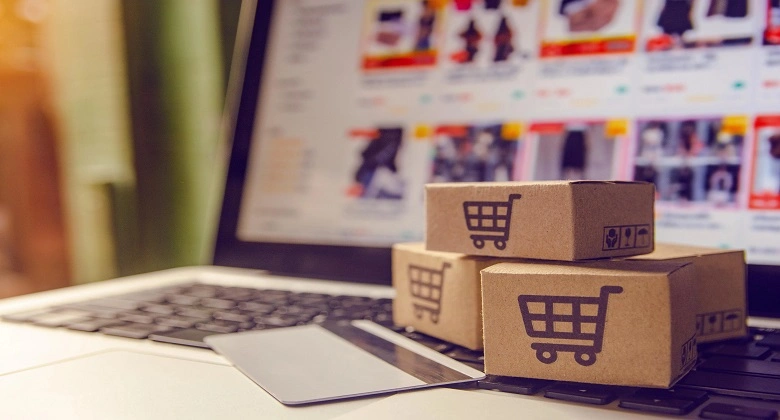
In the beauty industry, attractive packaging alone is not enough. If products arrive damaged, leaking, scratched, or broken, customer trust disappears immediately.
E-commerce shipping can be extremely harsh on cosmetic products. Packages experience drops, pressure, compression, temperature changes, and long-distance transportation before reaching customers.
This becomes even more important for fragile items like glass serum bottles or premium skincare jars.
Strong e-commerce packaging should include:
- Structural protection
- Leak prevention
- Secure closures
- Protective inserts
- Shipping durability testing
Many cosmetic brands focus heavily on aesthetics but ignore shipping performance until product returns and customer complaints start increasing.
The best packaging solutions balance both presentation and protection. Customers expect products to arrive looking exactly as premium as they appeared online.
Packaging Psychology Is Real And Extremely Powerful
Beauty customers rarely evaluate products in a purely logical or objective way.
Most purchasing decisions happen emotionally first, with the brain forming impressions within seconds based on visual appearance, texture, weight, and overall presentation. Long before customers analyze ingredients or compare formulations, they are subconsciously deciding whether a product feels trustworthy, premium, luxurious, scientific, clean, or worth the price.
This is where best cosmetic packaging psychology becomes incredibly powerful.
Research in consumer behavior and neuromarketing consistently shows that packaging design directly influences perceived product quality, customer trust, and even willingness to pay higher prices. Studies have found that consumers often associate heavier packaging with higher value and better performance because weight subconsciously signals durability, luxury, and importance.
In the beauty industry especially, tactile experiences strongly affect perception.
For example:
- Heavier packaging often feels more luxurious and expensive
- Matte finishes tend to feel more sophisticated than glossy plastic
- Soft-touch coatings create a premium sensory experience
- Magnetic closures signal exclusivity and craftsmanship
- Minimalist designs often communicate modern luxury and trust
- Metallic accents can increase perceptions of prestige and quality
These design elements may seem small individually, but together they shape how customers emotionally interpret a product.
Customers Buy Feelings, Not Just Formulas
A customer holding a skincare product is not only judging the formula, they are judging the experience.
How the packaging feels in the hand, how smoothly the pump dispenses, how the box opens, and even the texture of the label all contribute to the perception of quality. When these details feel intentional and refined, customers naturally assume the product inside is higher quality as well.
This psychological effect is often referred to as the “halo effect” in marketing.
This pattern is well-documented in consumer behavior literature. Research on cosmetics packaging found that visually distinctive, well-labeled packaging captures consumer attention and drives in-store purchase decisions reinforcing that packaging functions as a genuine point-of-sale decision factor, not just a brand nicety.
Source: research on cosmetics packaging
That is one reason luxury beauty brands invest heavily in packaging engineering and sensory design. They understand that emotional perception can influence customer loyalty just as much as product performance.
Premium Perception Doesn’t Always Mean Expensive Packaging
Interestingly, the most effective cosmetic packaging is not always the most expensive.
What matters more is emotional alignment with the target customer.
A minimalist skincare brand targeting ingredient-conscious consumers may perform far better with clean typography, subtle tones, and simple packaging than with flashy luxury finishes. Meanwhile, brands investing in luxury cosmetic packaging wholesale solutions often focus on premium materials, rigid boxes, elegant finishes, and elevated unboxing experiences to create stronger emotional appeal for high-end beauty buyers.
The goal is not to impress everyone.
The goal is to create packaging that instantly feels “right” to the specific audience you want to attract.
That emotional connection is what makes packaging psychology so valuable in the beauty industry. Great packaging does more than protect a product, it shapes perception, builds desire, and influences buying behavior before the customer ever experiences the formula itself.