

Packaging has evolved far beyond its traditional role as a protective outer layer. In modern commerce, especially in ecommerce-driven economies, packaging operates at the intersection of logistics engineering, consumer psychology, brand storytelling, and sustainability science.
Today, packaging is not just a cost center; it is a value-generating asset that directly influences conversion rates, operational efficiency, and long-term brand equity.
This article explores packaging from multiple dimensions, consumer behavior, product integrity, brand architecture, and business performance, while uncovering deeper, less-discussed insights into its importance.
Personalized boxes for shipping create a sense of exclusivity and attention to detail — Explore our custom mailer boxes designed for ecommerce brands.
Why Is Packaging Important to Consumers?
From a psychological perspective, packaging serves as a powerful heuristic shortcut, a quick mental cue consumers rely on to evaluate a product without deep analysis. In crowded marketplaces, people rarely have the time or motivation to compare every feature, so they subconsciously depend on packaging to guide their decisions.
Cognitive Bias and Perceived Value
Consumers don’t judge products purely on logic; instead, they interpret visual and tactile signals. Packaging activates cognitive biases such as the halo effect, where attractive design leads to assumptions of superior quality, and anchoring bias, where premium-looking packaging sets a higher perceived price and value.
Similarly, expectation bias plays a role, the unboxing experience can shape how consumers perceive the product itself. Research from the Journal of Consumer Psychology suggests that well-designed packaging can boost perceived value by up to 30%, even when the product remains identical.
Sensory Engagement and Emotional Response
Modern packaging goes beyond visuals to create a multi-sensory experience. Elements like matte or glossy textures, the sound of a magnetic closure, and carefully structured typography all contribute to emotional engagement. These sensory cues influence satisfaction, strengthen brand recall, and create a more memorable product interaction.
Decision-Making in High-Speed Environments
Consumers often spend less than seven seconds evaluating a product, whether in a retail aisle or scrolling online. Packaging must instantly communicate purpose, quality, and brand identity. This is where information architecture becomes crucial, organizing design elements so that key messages are understood at a glance.
“In categories with low product differentiation, packaging becomes the primary differentiator — See how our custom retail boxes help brands stand out on shelves.”
Sustainability as a Purchase Driver
Today’s consumers are also highly influenced by sustainability. They prefer packaging that visibly signals eco-consciousness, such as kraft materials or reduced plastic use. However, expectations remain high, eco-friendly packaging must still ensure durability and protection. This creates a complex balance between environmental responsibility and performance, making packaging both a design and engineering challenge.
Why Is Packaging Important to a Product?
From a technical perspective, packaging is a protective system engineered to manage physical, chemical, and environmental risks.
1. Structural Integrity and Transit Performance
Packaging must withstand multiple stress factors:
- Compression (stacking during shipping)
- Vibration (transport movement)
- Impact (drops and handling)
This is where corrugated board flute profiles (e.g., E-flute, B-flute) and burst strength ratings become critical.
For example:
- Fragile electronics often require multi-layer cushioning systems
- Glass products need shock-absorbing inserts with calculated density
Poor packaging design leads to damage rates of 10–15% in ecommerce, significantly impacting profitability.
2. Barrier Protection and Shelf Stability
Packaging acts as a barrier against external elements:
- Oxygen (causes oxidation)
- Moisture (leads to spoilage or degradation)
- UV light (affects chemical stability)
Advanced packaging uses:
- Multi-layer laminates
- Vacuum sealing
- Modified Atmosphere Packaging (MAP)
These technologies extend shelf life and maintain product integrity.
3. Dimensional Optimization and Logistics Efficiency
Packaging dimensions directly affect shipping costs. Carriers calculate pricing based on dimensional weight (DIM weight), not just actual weight.
Optimized packaging:
- Reduces void space
- Minimizes filler material
- Improves palletization efficiency
This is where customized packaging becomes operationally valuable, it aligns packaging size with product geometry.
4. Regulatory Compliance and Safety
Certain industries require strict packaging standards:
- Food packaging must meet hygiene and contamination regulations
- Pharmaceutical packaging must ensure tamper evidence and traceability
Packaging is therefore not optional, it is a compliance-critical component.
“minimalist design signals premium positioning — our custom rigid boxes are built for brands that want to communicate luxury through packaging.”
Why Is Packaging Important for a Brand?
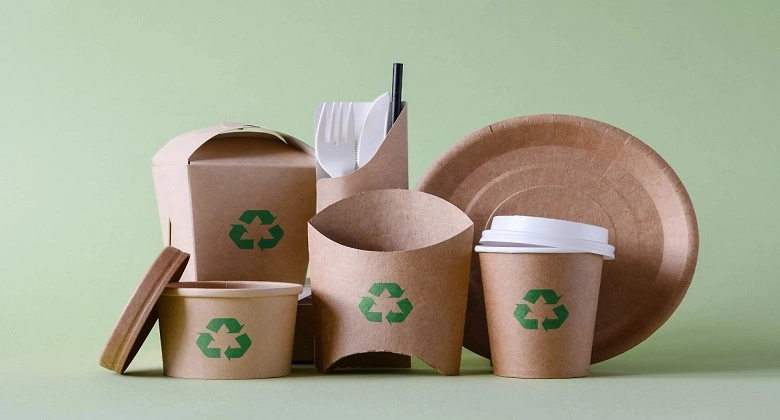
From a branding perspective, packaging is a physical manifestation of brand identity.
1. Packaging as a Brand Touchpoint Ecosystem
Unlike digital ads, packaging is a tangible, high-engagement touchpoint. It exists in:
- Warehouses
- Delivery journeys
- Customer homes
This extended exposure increases brand recall significantly.
2. Semiotics and Visual Language
Packaging communicates through design codes and symbols:
- Minimalist design → premium positioning
- Bold colors → mass-market appeal
- Earth tones → sustainability messaging
This is known as packaging semiotics, the study of how design conveys meaning.
3. Unboxing as Content Marketing
Unboxing has become a powerful organic marketing channel. Platforms like YouTube and TikTok have millions of unboxing videos.
Well-designed packaging:
- Encourages sharing
- Increases brand visibility
- Builds social proof
This turns packaging into a customer-generated marketing asset.
4. Differentiation in Saturated Markets
In categories with low product differentiation (e.g., supplements, cosmetics), packaging becomes the primary differentiator.
Brands that invest in personalized packaging often outperform competitors in perceived value, even at higher price points.
What Are the Benefits of Custom Packaging?
Moving from generic solutions to tailored designs unlocks a wide range of strategic advantages. The benefits of custom packaging extend beyond aesthetics into operational efficiency, customer experience, and long-term profitability.
One of the most immediate advantages is precision. Custom packaging is designed to fit the product exactly, reducing movement and minimizing the risk of damage. This not only protects the product but also lowers return rates and associated costs. Over time, this improvement in efficiency can have a significant financial impact.
Another key benefit lies in branding. With personalized packaging, businesses can align every element, from color schemes to messaging, with their identity. This consistency reinforces brand recognition and creates a more cohesive customer experience. In ecommerce, where physical interaction is limited, this becomes even more important.
Custom solutions also enable better use of materials. By selecting appropriate custom packaging materials, brands can reduce excess weight and waste while maintaining durability. This contributes to both cost savings and sustainability goals. It also allows businesses to experiment with innovative materials that align with their values.
Logistics efficiency is another major advantage. Properly designed packaging improves space utilization during shipping and storage. This means more products can be transported in the same volume, reducing overall costs. It also simplifies warehouse operations, making processes more streamlined.
In terms of customer experience, packaging plays a defining role. Receiving a product in personalized boxes for shipping creates a sense of exclusivity and attention to detail. This enhances satisfaction and increases the likelihood of repeat purchases. Customers are more likely to remember and return to brands that invest in these small but meaningful details.
Custom packaging also offers flexibility. Businesses can explore different product packaging options based on product type, seasonality, or marketing campaigns. This adaptability allows brands to stay relevant and engage customers in new ways without changing the core product.
“Packaging must instantly communicate purpose, quality, and brand identity in under seven seconds — Our custom display boxes are engineered for exactly this high-speed decision environment.”
A Systems Thinking Perspective: Packaging as a Business Lever
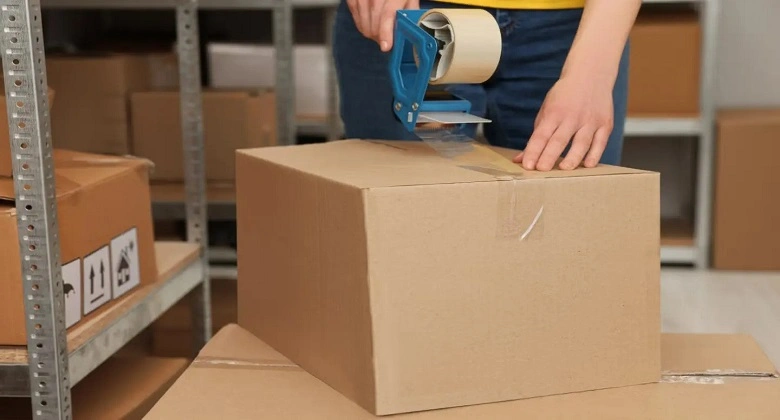
To truly understand the importance of packaging, it must be viewed as part of a larger system: