


Shape Around the Product
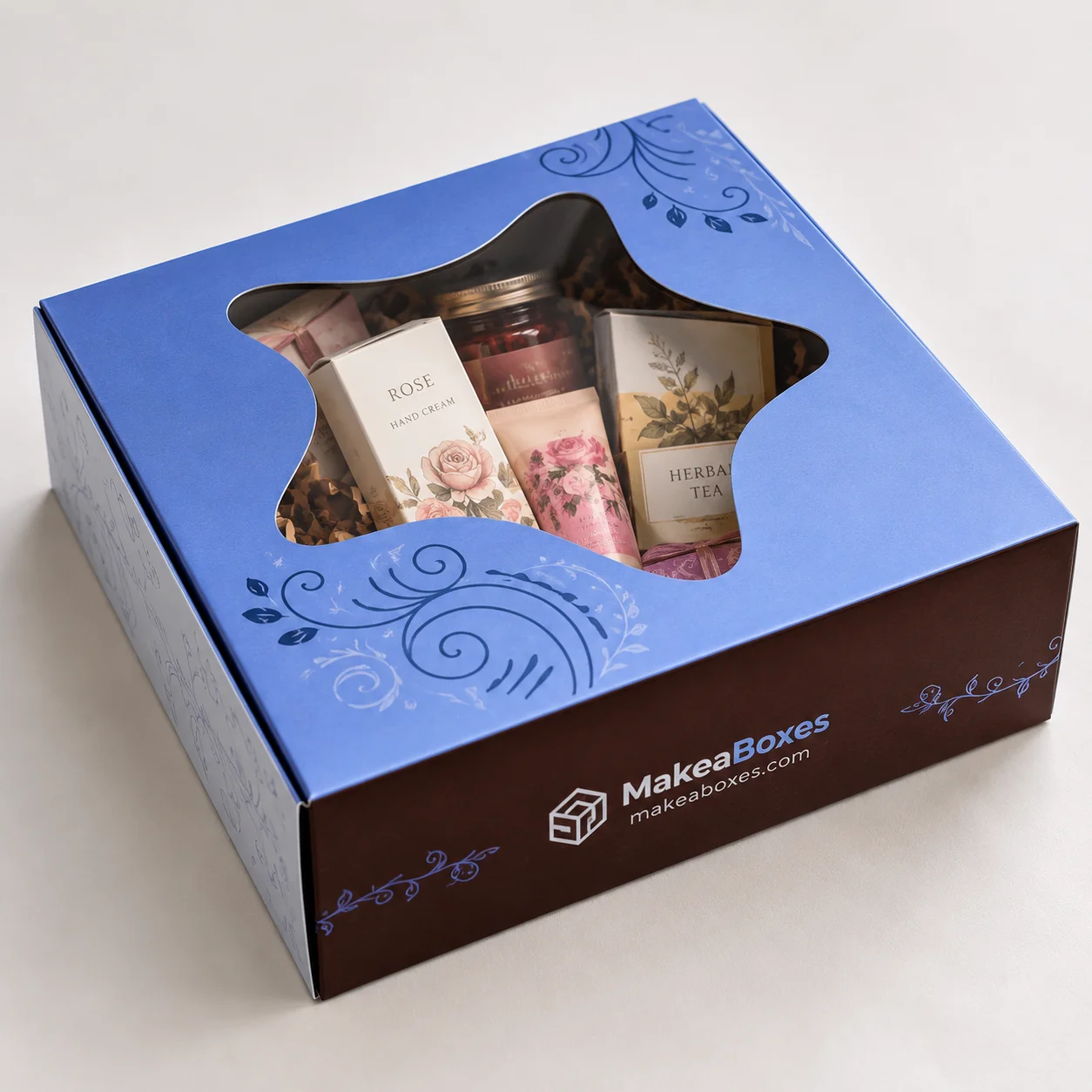
A custom outline or fitted interior can accommodate products that sit awkwardly in a stock carton. The goal is a usable fit, not a complicated shape for its own sake.

Striking formats positioned in high-traffic zones convert casual browsers into buyers.
Optimized designs accommodate more inventory per square foot, maximizing your valuable retail real estate.
Uniform graphics and standardized messaging across locations strengthen brand identity and build customer trust.
Custom die cut boxes begin with a structural layout made for the product and its intended use. Die cutting shapes the flat board; scoring establishes where it folds. Those decisions can create a contoured edge, a built-in handle, an interlocking tab, a display opening, or a structure that standard rectangular cartons cannot provide.
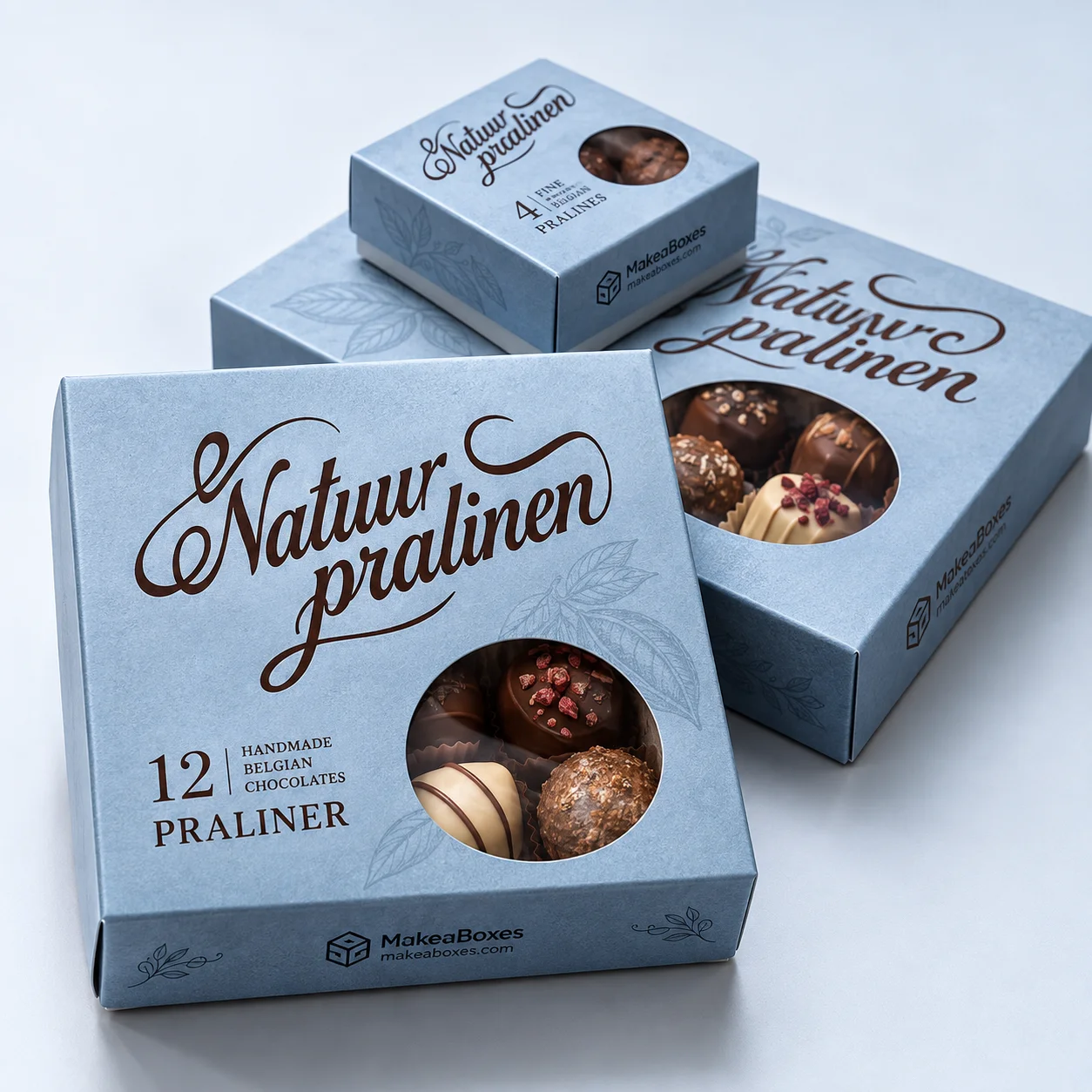
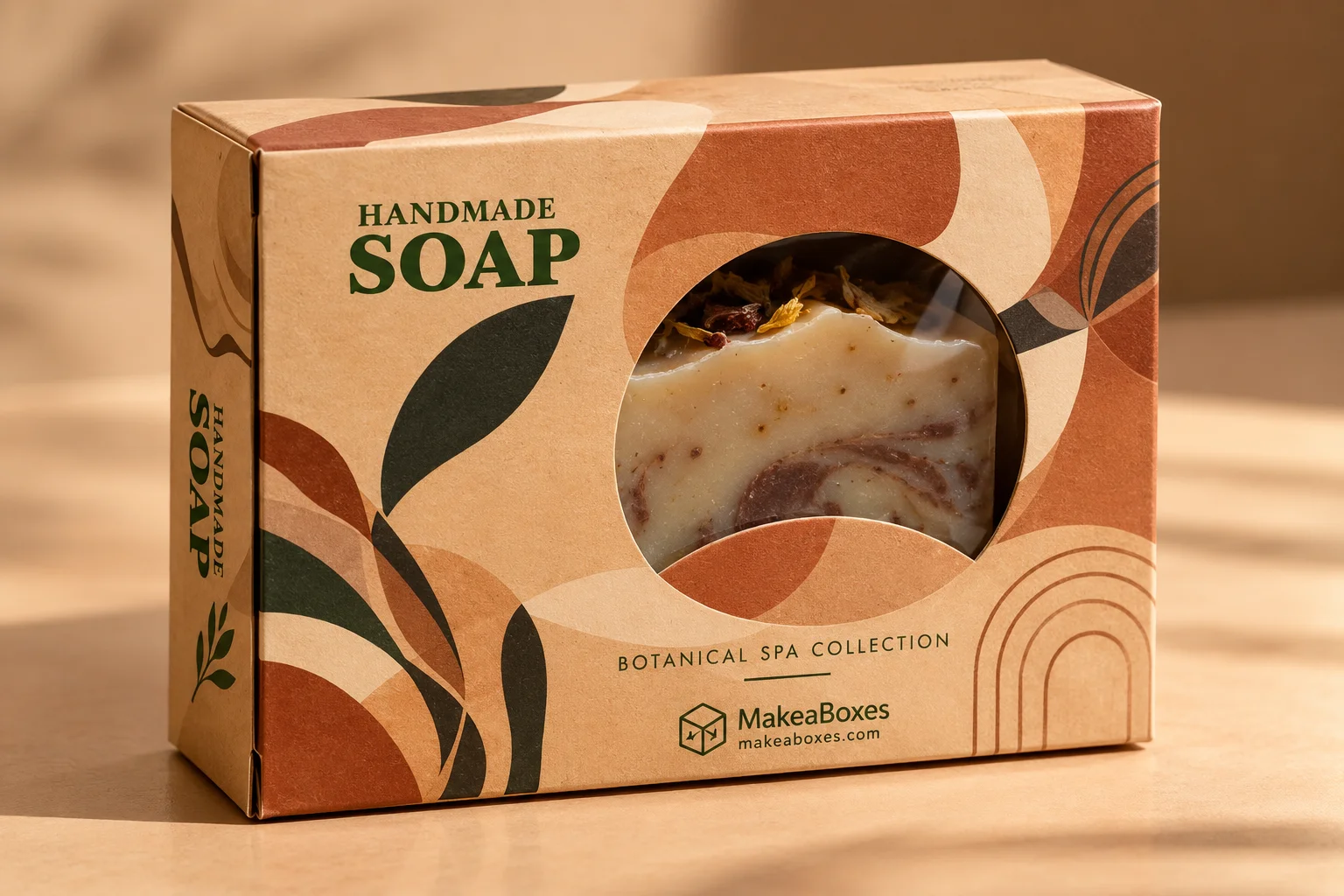
Good die cut box packaging is not simply an unusual outline. The design needs enough board around openings to remain practical, panels that present artwork clearly, and a loading method that staff can repeat. A window may improve product visibility, for example, but its position should account for the product’s orientation and the strength of the surrounding panel.
For lightweight retail products, die cut cardboard boxes can provide a printable surface and compact flat storage. Corrugated die cut boxes may be more appropriate when the packed item, stacking conditions, or delivery route calls for fluted board. The board grade and complete packaging system should be selected for the actual weight and handling conditions; a custom shape alone does not make a retail box parcel-ready.
Explore custom shipping boxes when transit protection is the main requirement.
From shelf-ready cartons to promotional packs, die cut packaging boxes can combine function and branding. Start with the product dimensions, desired opening, display position, artwork, and quantity. Those details give the structural design a clear purpose.

Point-of-sale, standalone fixtures, endcap arrangements, or completely tailored structures.

Standard flute board, reinforced cardstock, or coated options for extended lifespan.

Collaborate using our template gallery or send custom designs for graphic application.

Every sample faces weight capacity and construction trials for quality assurance.

We deliver a tangible or virtual sample for your complete approval prior to manufacturing.

Streamlined fabrication timelines with dependable transport to your facility.
A custom outline or fitted interior can accommodate products that sit awkwardly in a stock carton. The goal is a usable fit, not a complicated shape for its own sake.
A carefully positioned cutout can reveal a color, texture, or product feature on the shelf. The opening should preserve enough surrounding board for the chosen structure.
Thumb notches, tabs, and access panels can help staff load the item and customers open it. Test the assembled box with the real product before settling on the feature.
A die-cut design for retail display may need different artwork placement and access than a box intended for gifting or shipment.
For presentation-led formats, compare the broader custom retail boxes range.
A cutting die shapes the flat packaging material to a defined layout. It can create the outer profile and functional details such as tabs, windows, or notches. Score lines guide how the blank folds into a box.
No. A box can retain a familiar overall shape while using die-cut features for its closure, handle, window, or interior fit. The design should serve the product and packing process.
Yes. Logo placement, product information, and artwork should be planned on the final dieline so they remain visible and legible after cutting and folding.
It depends on the product’s weight, required print appearance, and handling conditions. Paperboard often suits lighter retail cartons; corrugated board may be suitable where added structural support is needed. Share the packed product and its delivery route before choosing.
The price depends on the box size, board, number of cut features, printing, finish and order quantity. Send the product dimensions and the details you have, and we’ll prepare a quote based on your specification.
A standard carton uses a common rectangular layout. A die cut box uses a layout shaped for the product, which can add a window, handle, tab or fitted opening that a standard carton doesn’t have.
Send the product dimensions and weight, preferred features, board or finish preferences, artwork requirements, quantity, and delivery location. A photo or sample is especially helpful for an irregularly shaped item.