
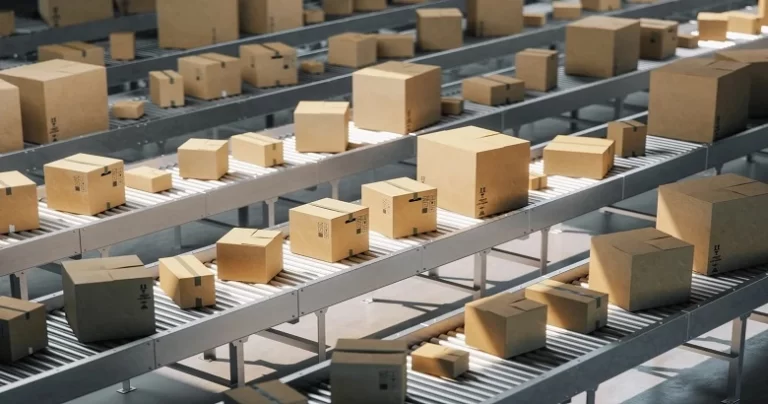
Packaging is a strategic tool that protects products, strengthens branding, improves customer experience, and ensures regulatory safety. As global demand rises, the packaging industry continues to expand, reaching USD 1.08 trillion according to Fortune Business Insights, with steady growth expected in the coming years.
Today, businesses are shifting toward smarter, greener, and more efficient packaging solutions to match evolving consumer expectations. This is where the 4Cs of packaging, Contain, Communicate, Convenience, and Compliance, provide a simple, powerful framework for understanding how packaging functions throughout its lifecycle.
In this guide, we break down each of the 4Cs to help brands, manufacturers, and retailers design packaging that is functional, safe, sustainable, and aligned with customer needs.
Illustrating the 4Cs of Packaging?
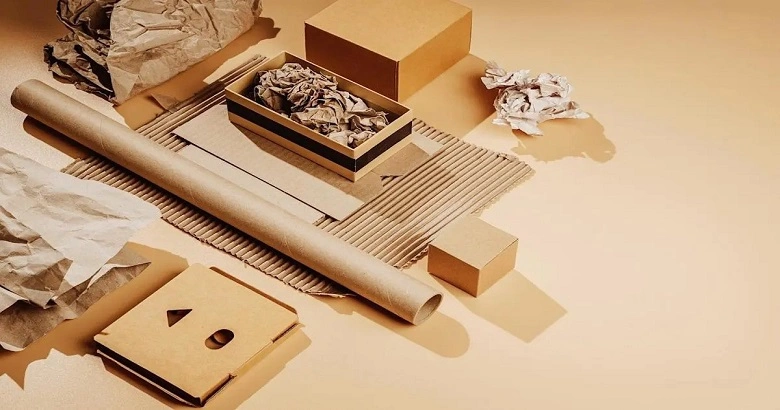
A whole life cycle of packaging is based on these 4cs. They are helpful in the safety and protection of items from any harm that can be caused to them. Businesses can keep their products in long-term storage because of these qualities and factors mentioned below. In this blog, we will discuss the broad aspect of packaging for readers.
The following are the 4Cs that are the real backbone behind the packaging:
1. Contain
The basic meaning of contain is to keep or hold something. However, it provides a covering box for items to carry them around easily. Therefore, it is a fundamental requirement of packaging to store the product safely and efficiently. However, if the primary aim is not fulfilled, everything else will lose its value.
According to Speed Commerce, 11 percent of products are damaged in shipment only due to improper and poor-quality packaging. So, it also raises the need for superior quality boxes that can securely convey the goods from one place to another. Customers must take good care of their fragile items and mark a tag on their packaging.
Hence, the actual benefit of containment is achieved when it:
- Stops the Leakage
- Prevents the Contamination
- Reduces the Breakage
- Secures the Product During Travel
- Protects it from the severity of weather conditions
Practical Uses of Packaging Containment
Most common uses of packaging containment are seen in:
- Warehouses
- Delivery Trucks
- Storage Facilities
- Retail Shelves
- Customers’ Homes
Real-Life Examples
Many famous brands set their own examples of utilizing the quality and efficiency of packaging for their businesses. Readers can learn from their favorite brands to use the packaging in the right way.
For instance, Coca-Cola launches its PET plastic bottle to deliver Coke. This bottle is very durable and lightweight in its design. So, it easily prevents customers from leakages and resists the impact of the weather. It does not get damaged from the effects of humidity and temperature.
Another good example is the leading name of Amazon, which redesigns the accurate size of cardboard packaging boxes to match the products. Hence, the box leaves no space for the item inside to move and makes it rigid and fixed.
2. Communicate
Packaging is the mode of communication of businesses today. So, they communicate it through their brands that speak for them. Thus, it simply works like a salesman who is professional in their tone with clarity of voice. Hence, companies focus on creating high-quality packaging that can drive the results they desire. The quality of packaging helps businesses meet their target and fulfill their goals to achieve success.
Creating good-quality packaging is helpful for companies in many ways. However, it allows them to make a colorful design and add a brilliant logo. An attractive logo is the core identity of a brand that enhances the value and demand for the business. It showcases their brand identity and earns them credibility in the market.
Here are a few Real-Life Examples of Brand Communication:
Apple
The company uses white colored boxes with simple fonts and minimal elements. Its packaging design exudes the touch of luxury and sophistication. It denotes the meaning of technological innovation and showcases the information on the cardboard box.
Food Cereal Boxes
Food cereal boxes are specifically designed for toddlers to help them grow strong. However, these packages provide detailed information on ingredients. They give a complete sense of nourishment to kids and are available in a variety of tastes and flavors. The best example is of Kellogg’s, which provides nutrition facts for customers to read and understand. It is famous for its high fiber, whole grain cereals for babies.
Skincare and Beauty
One of the ideal examples of appealing packaging is of skincare and beauty products. They sell cosmetics to girls to enhance their beauty and charm. Buyers are impressed by the finest quality of packaging that catches their eyes and communicates them the message.
3. Convenience
It mainly refers to the ease of design and functionality of a product’s packaging. Hence, customers can find it comforting to open and use the box. So, they do not have any issues in carrying it and can simply recycle the packaging after its time of disposal.
Therefore, packaging aims to make life easier for customers. Because nowadays, people have no time to deal with the complications. So they just want it to be simple and user-friendly. However, hard-to-open packaging causes a lot of irritation and frustration among consumers. It disappoints them so much and feels like a waste of their time and money.
Exclusive Features of Convenient Packaging:
A convenient packaging must have these features that stand out from others:
Resealable Zippers
These are bags designed with zip-lock features that make them convenient to use for everyone. It saves the time of customers and gives them a sense of comfort and satisfaction. Hence, they can easily keep their stuff in these shoppers to seal them with a zip. Thus, their items are safe inside without any harm or damage. It also protects goods from being stolen.
Easy to Open Tear Notches
Customers can use these pouches to easily tear them from the outside. Mostly they contain milk and oil in them to hand carry them. But people must not press it hard to burst it and cause a loss of stuff. Hence, they must handle these tear notches very gently and carefully. Many companies also sell sauces and mayonnaise in these kinds of exclusive packaging.
Stand Up Pouches
Many supermarkets and grocery stores use these stand-up pouches to mount them easily on the top of their shelves. Customers can identify them and add them to their cart. These pouches are ideal for taking up less space on the racks and show a fascinating appeal. They are ideal for their lightweight qualities and are used for single-serving packets.
Real Life Examples of Convenient Packaging
All the snacks are good examples of convenient packaging that are easy for users to consume. Kids use and throw these wrappers in the dustbin. But they are recyclable and biodegradable to cause less harm to the surrounding environment. Many of these products come with bar codes or QR codes that provide essential information to customers.
4. Compliance
Compliance is a set of rules and regulations designed for the health and environmental safety of everyone. So, it is applicable for all to follow them. Therefore, in case of violations, people also have to face the harsh punishments. They are further charged with fines and penalties to pay.
In the context of packaging, the government of the United States has formulated its standard regulations and guidelines to abide by them. They want customers to handle their packaging safely and minimize their risks of harm.
The following are some key requirements for compliance:
Food Safety
It is one of the crucial requirements to follow for customers. They must check the status of the food to keep it fresh and hygienic inside the packaging box. Hence, it protects the meal from contamination and allergens. Therefore, they can easily store the food till the time to decays. It depends on the nature of the food to take more or less time to decompose.
People can store fast food for a day or two. They can put their meal in the refrigerator to keep it fresh for a longer time. But they should eat it before. A packaging must provide all the details about the content and ingredients of a food. It gives a complete sense of knowledge and information to readers.
Tested By the FDA
It is a serious responsibility of a food safety authority like the FDA to test the quality and status. So, the authority must be qualified and certified itself. Therefore, the Food and Drug Administration must examine and evaluate the standard of the food and submit its thorough report.
Apart from the FDA, there are several other platforms available to check the quality and authenticity of food to stay fresh in the packaging for longer. Customers can also trust on GFSI standard and FSSC 2000. These authorities have built their credibility over time, which allows them to win their customers’ trust.
Prevent the Outside Exposure
These food and pharmaceutical packaging must fulfill their requirements of not being exposed to external elements like heat and sunlight. They must be kept in a cool place where there is a passage of air and wind to maintain a moderate temperature.
Proper Labeling
Labeling is the most fundamental thing to have on the packaging box. So, it provides detailed information about the product. Companies use these labels after thorough and extensive research to share accurate data with nutrition facts. It also mentions the manufacturing and expiry dates to indicate the use of consumption before the time of decomposition.
Define the Four Types of Packaging
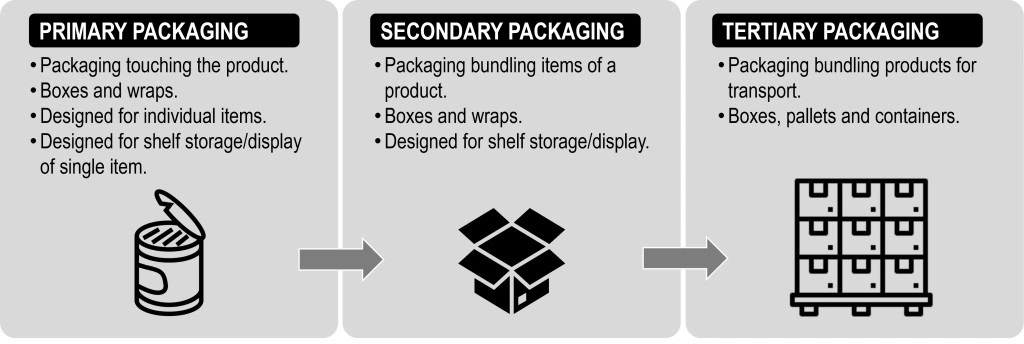
Packaging can be classified into four types, to further classified into categories. However, it makes the process from the basic to the advanced in its core production.
The following are the four types of packaging:
Primary Packaging
It is a basic kind of packaging that is used to protect the product from harm. This type of packaging is easier for customers to consume. However, it directly touches the product and wraps it from the outside to safeguard it from damage.
The core purpose of this packaging is to keep the safety and hygiene protection of a product. Examples of primary packaging are water bottles, chocolate bar wrappers, toothpaste tubes, and face cream jars.
Secondary Packaging
It is an external packaging containing a few units of primary packaging. So, it seals the product from the outside. The aim of this is to add an extra layer of safety for the item. Businesses can make it easier to handle their products. They can find a stock to store their goods in a secure container. It allows companies to enhance the value of their brand and improve their marketing efforts.
Tertiary Packaging
This kind of packaging is ideal for bulk the of products for logistic transport. Hence, it is mainly used in shipping to add corrugated cartons. Businesses can also use wooden pallets, crates, and stretch-wrapped pallet loads to find ease in lifting and storage. They are ideal for large warehouses and deliver services for distribution. It involves huge quantities of goods to be transported from one place to another in a secure way.
Quaternary Packaging
It is a type of packaging used for enormous handling and giant storage that cannot be managed by manual personnel. Hence, it requires automated logistics to carry out all the work. Numerous distribution centers apply this kind of technique to enable efficient warehouse operations.
It helps them support and promote global shipping logistics around the world. Thus, they can easily manage long-distance transport with ease and comfort. They use reusable bins and container units for larger shipment operations.
Explain the Most Cost-Effective Packaging
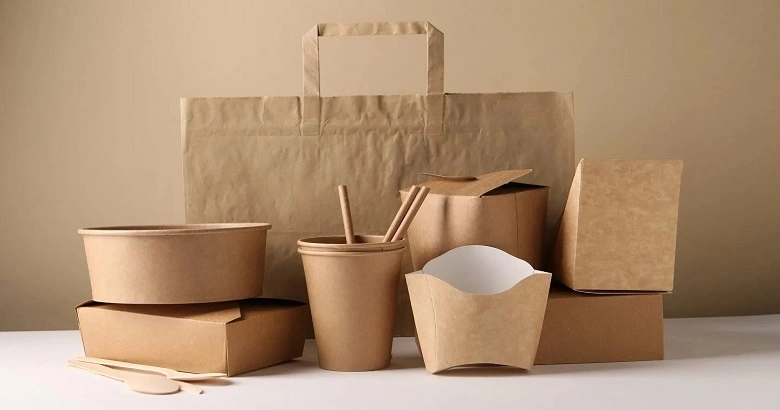
The use of cost-effective packaging mainly depends on the need and requirement of product shipment. However, there are industry tactics to use the most affordable and economical means of packaging for better functionality and usability.
Here are some of the lowest and cheapest techniques of sustainable packaging:
Corrugated Cardboard Boxes
The use of these boxes is so far the most cost-effective way of packaging in the entire industry. However, companies utilize this affordable technique to save their time and money on low-quality materials. It is because of the lightweight design that creates its bulk demand in the retail market for businesses.
So, they can use it for their small to medium-sized products to make an online delivery. This technique reduces their shipping costs to transport their goods from one location to another. One of the main benefits is easy to recycle, which gives it credit for healthy and eco-friendly packaging for customers.
Paperboard Packaging
The demand for paper is much greater than for plastic in the field of packaging. It is because of its low waste and less carbon emissions. The use of paperboard packaging is very common among businesses nowadays because it is light to carry.
Customers are happy to use it for keeping their variety of stuff, including food items, medicines, beauty cosmetics, and retail goods. Companies use it for better marketing and branding in the industry.
How much does it cost to manufacture a product?
Manufacturing of a product depends on direct, indirect labor and product costs. It also combines with operational overheads and adds to material, packaging, and shipping costs. Therefore, nobody can actually define the exact expenses. But it can provide ways to cut the costs and increase the productivity and efficiency. It will yield a profit and boost the revenue of the business. It uses the formula for each element to better understand.
For instance, for material cost, it would be calculated as Material Cost Quantity of Material x Cost per Unit. Similarly, it works for the labor cost as Labor Cost Hours Worked x Hourly Wage.
The following are simple ways to reduce the cost of manufacturing a product:
1. Bulk Production
Wise businessmen always think of minimizing the cost of budget of their production budget. However, they can easily do this through bulk manufacturing. Thus, it saves their time and money to cease the machinery to give them time to rest. It also reduces human effort and saves the extra hard work of laborers.
But, it must also be done carefully without causing a huge loss. Companies must not consume all of their materials at once to waste them. Additional waste is always a loss for businesses, as they cannot use it efficiently in the packaging.
2. Automation
In today’s era, automation is essential for businesses to speed up their work. However, it helps them reduce their burden on their shoulders. So, they can easily execute and carry out their jobs on time. Automation decreases the efforts of human workers to be assigned supervisory roles to simply watch over the performance of machines.
3. Local Sourcing
Businesses save their tremendous amount of money from local sourcing. However, it helps them to give a fresh chance to deal with neighborhood material suppliers. Therefore, they can trust them completely to provide them with superior quality materials for their production.
Hence, their honesty and loyalty are the basis for them to get more work from clients in the future. Finding the local suppliers is much better than importing the materials from abroad. It can raise the cost enormously, which can go beyond the budget. Although the idea of material import is good for the quality, but bad for the affordability.
4. Simple and Lightweight Design
Businesses must focus on designing simple and lightweight packaging. It is because their customers want it. So, companies should fulfill the needs and requirements of their valued audiences to attract them to their products. They must keep it minimal to make less use of materials in production.
Their practice can save them from the waste and additional loss. It will add to the burden on landfills and cause damage to the surrounding environment. Using minimalism is a safe and healthy tactic for companies to manufacture their products with care and precision.
What is the Cheapest Type of Packaging?
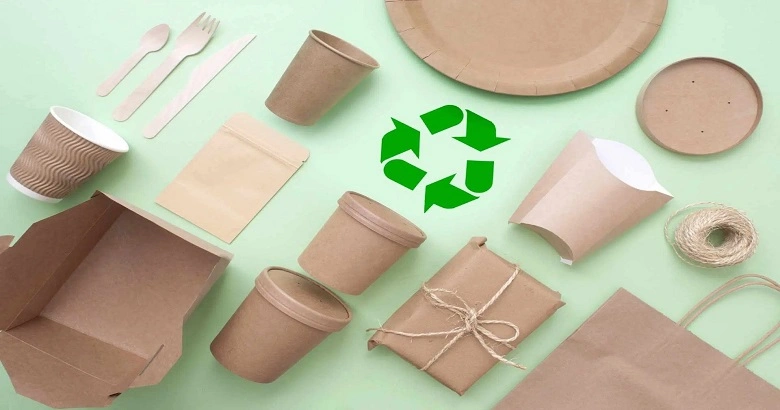
Businesses can cut down their costs by using their cheapest alternatives for packaging. So, they can still count on the quality and standard of a product. However, it must not be below the grade to make it unacceptable to buy for customers.
Here are some affordable options for companies to choose the lowest-priced materials for packaging:
1. Polybags
They are plastic bags available for businesses to add to their packaging strategy. But they must meet the conditions of being lightweight and fast to manufacture. These are available with the minimum cost of material and the lowest printing expenses.
Businesses can use them to make clothes for all ages and sizes of people. Furthermore, they can also add some additional small accessories to modify the shape and design of clothing.
2. Paper Wraps
They are also known as sleeves that are aesthetically pleasing in their obvious looks. However, it gives manufacturers a cheaper option to add a charming appeal to their product and packaging. Thus, they can be used for a variety of options and choices of goods such as soap bars, clothing, gift items, and books.
Businesses use these paper sleeves for their sense of ecofriendliness. They enhance the view of a product and capture the attention of customers. Using these paper wraps provides a user-friendly solution for businesses to give an extra beauty to their packaging. Hence, they are versatile, customizable, and recyclable to be friendly to nature.
3. Kraft Paper Bags
Using the kraft paper bags is one of the best examples for businesses to embrace the idea of eco-friendly and sustainable packaging. However, they are famous for the lightweight designs that make them ideal for customers to buy. These paper bags are ideally used for small and medium retail businesses. They produce food items and deliver to customers with their quality of paper-based packaging.
Conclusion
Hence, in a nutshell, the above-mentioned are an extensive and comprehensive detailed guide on the 4cs of packaging. So, readers must have understood it clearly in their minds. Thus, they must examine these qualities in their shopping boxes before using them. They must find it to be lightweight and recyclable to fulfill the eco-friendly requirement.
FREQUENTLY ASKED QUESTIONS
The 4Cs help companies save money by cutting shipping damage, reducing return rates, improving shelf visibility, and avoiding legal penalties. Research shows that optimized packaging can lower total supply chain costs by up to 25% through lighter materials, fewer breakages, and smarter design.
The 4Cs apply strongly to e-commerce. For example, containment prevents damage in long-distance shipping; communication helps buyers identify items quickly; convenience makes unboxing smoother; and compliance ensures packages meet courier rules. Many brands now design packaging specifically for online deliveries, not store shelves.
Digital tools like 3D modeling, AR visualization, and AI-powered material testing help teams design safer, lighter, and more efficient packaging. Brands use AI to predict damage risks, choose better materials, optimize box sizes, and reduce waste before producing a single prototype.
Yes, Many global retailers evaluate brand partners based on packaging sustainability. When companies apply the 4Cs well, especially convenience and compliance. They improve recycling rates, reduce plastic use, and increase supply chain efficiency. This boosts their sustainability scores and helps them qualify for eco-certification programs.
Absolutely. Research shows that consumers are 42% more likely to repurchase from brands with easy-to-use and well-communicated packaging. Resealable designs, clear instructions, and frustration-free unboxing create positive experiences that increase long-term loyalty more effectively than discounts or promotions.