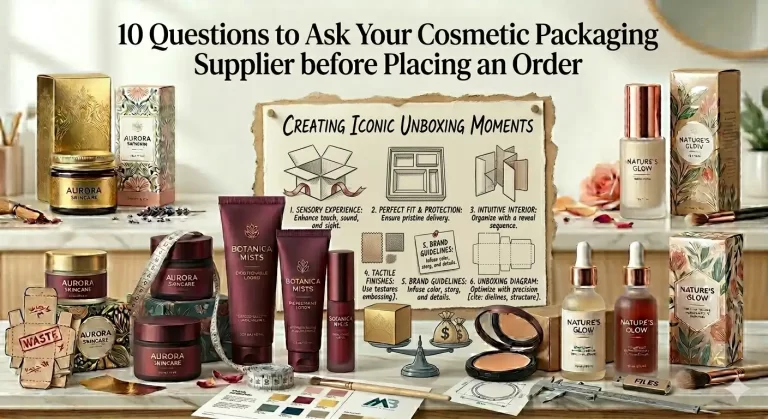
A trust-building guide for brands evaluating cosmetic packaging partners
Choosing a cosmetic packaging supplier is not just a procurement decision; it’s a brand-defining move. In the beauty industry, packaging directly influences perceived value, shelf appeal, and even purchase intent. Especially for skincare and premium cosmetics. According to McKinsey’s 2023 global consumer packaging survey, a majority of consumers say they’re willing to pay more for sustainable packaging, making sustainability an increasingly important factor for suppliers and brands to address, not just a marketing nicety.
That means the supplier you choose is not just producing boxes; they are shaping your brand story at the first physical touchpoint.
Yet many brands rush this stage, focusing only on price or speed. The result? Misaligned colors, weak structural integrity, delayed launches, or worse, compliance issues in different markets.
To help you avoid these pitfalls, here are 10 essential questions to ask your cosmetic packaging supplier before placing an order. These questions also reveal how strong suppliers, like established manufacturers, ensure consistency, quality, and long-term brand growth.
1. What Experience Do You have In Cosmetic Packaging Specifically?
Not all packaging suppliers are created equal. A supplier may excel in general retail boxes but struggle with skincare or makeup packaging that requires moisture resistance, precision folding, or luxury finishing.
Cosmetic packaging demands knowledge of:
- Barrier protection for serums and creams
- High-end finishes like foil stamping and soft-touch lamination
- Regulatory labeling requirements
A strong supplier should be able to showcase case studies from beauty brands, not just generic packaging samples.
Experienced manufacturers like Make A Boxes typically specialize in beauty packaging, covering skincare, fragrance, and makeup, ensuring your packaging is not only visually appealing but also functionally reliable across retail environments.
2. What Is Your MOQ, And Can You Scale With My Business?

Minimum Order Quantity (MOQ) can make or break early-stage beauty brands. Startups often need flexibility, while growing brands require scalability.
Low MOQs give early-stage beauty brands room to adjust packaging as the brand evolves, without being locked into a large inventory of a design that may need to change after launch feedback.
A reliable supplier should offer:
- Low MOQs for new brands
- Tiered pricing for scaling volumes
- Consistent quality across small and large batches
Suppliers like Make A Boxes often support both startups and established cosmetic companies by offering scalable production systems, ensuring brands don’t outgrow their packaging partner.
3. What Materials Do You Use, And Are They Sustainable or Certified?
Today’s beauty consumers are highly eco-conscious, and a majority now say they’d pay more for sustainably packaged products.
You should always ask:
- Are materials FSC-certified?
- Are inks soy-based or eco-friendly?
- Can packaging be recycled or reused?
High-quality cosmetic packaging suppliers now integrate:
- Kraft paperboard for eco-luxury branding
- Recyclable rigid boxes
- Biodegradable coatings
Make A Boxes, for instance, emphasizes sustainability-focused material sourcing, helping brands align with global ESG expectations while maintaining premium aesthetics.
4. Do You Provide Design Support And Customization Options?
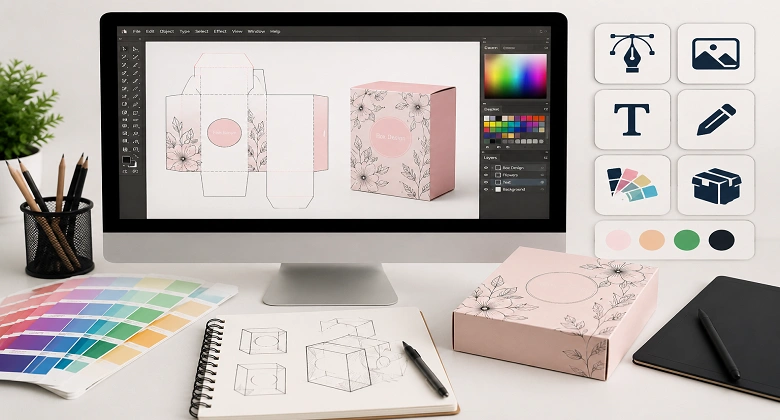
A strong supplier should offer hands-on design support, not just production. This typically includes structural mockups, 3D renderings, color-matching guidance, and revision rounds before a design is locked for print. Ask specifically whether design support is included in the quote or billed separately, and how many revision rounds are standard before additional fees apply.
5. Can You Provide Accurate Dieline Files And Structural Templates?
Dielines are the backbone of packaging production. A minor error in folding lines or bleed margins can ruin an entire production batch.
Always confirm:
- Are dielines professionally engineered?
- Do they match printing standards?
- Are revisions included?
You may also hear terms like dieline template beauty box, which refers to pre-structured layout files designed for cosmetic packaging formats such as lipstick boxes, serum boxes, or foundation packaging.
Accurate dielines ensure:
- Proper folding and assembly
- Precise alignment of artwork
- Reduced production waste
Reliable suppliers maintain pre-tested dieline libraries to speed up development and reduce design errors.
6. What Print Technologies And Finishing Options Do You Offer?
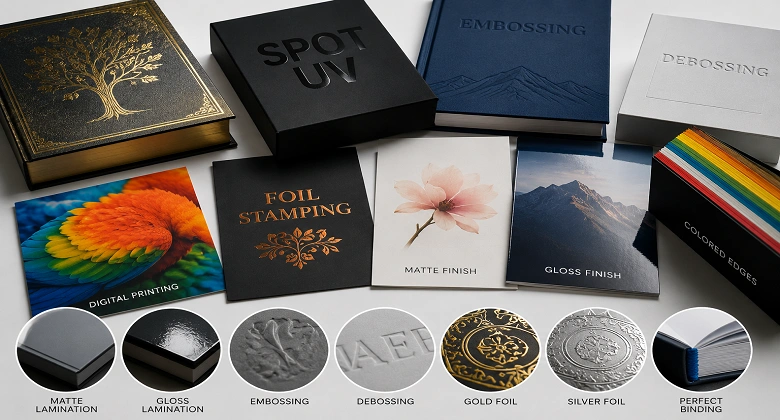
In the beauty industry, print quality directly affects perceived product value.
A University of Wisconsin study found that products delivered in premium packaging were rated 45% higher in perceived retail value than the same product in economy packaging, even when the product formulation itself remained unchanged.
Ask about:
- Offset vs digital printing
- UV coating and spot UV
- Foil stamping like gold, silver, holographic
- Embossing and debossing
- Matte vs gloss finishes
High-end suppliers like Make A Boxes typically offer advanced finishing techniques that elevate packaging from functional to luxury-grade branding.
7. How Do You Ensure Quality Control And Compliance?
Cosmetic packaging is not just about aesthetics; it must comply with safety and labeling standards.
Key considerations include:
- ISO 9001 quality management systems
- FDA labeling compliance for US markets
- EU cosmetic regulation standards
- Batch consistency checks
A professional supplier should have multi-stage QC:
- Raw material inspection
- In-process production checks
- Final packaging audit
Strong QC systems significantly reduce defect rates, which industry benchmarks suggest should remain below 2% for premium packaging suppliers.
8. What Are Your Lead Times And Logistics Capabilities?
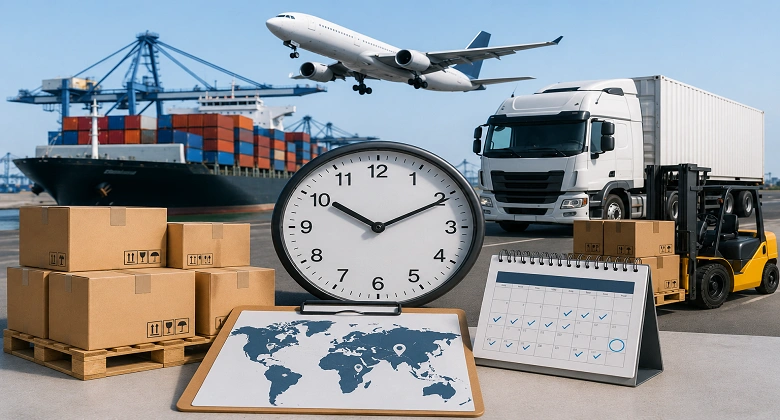
Lead time is often where expectations and reality diverge. Many suppliers promise extremely fast turnaround times but fail to account for design revisions, material shortages, or production bottlenecks.
A professional supplier will provide realistic timelines based on project complexity. Simple folding cartons may take around 10–20 working days, while premium rigid boxes or highly customized designs may take longer.
However, what matters more than speed is predictability. Brands need to plan launches, influencer campaigns, and retail distribution with confidence.
A strong supplier should also provide production updates so you know exactly where your order is in the process. This reduces uncertainty and helps brands manage downstream logistics.
Make A Boxes, for example, structure production workflows to minimize delays and improve transparency, both of which are critical for time-sensitive beauty launches.
9. How Transparent Is Your Pricing Structure?
Hidden costs are one of the most common frustrations in packaging procurement.
Transparent suppliers clearly break down:
- Material costs
- Printing costs
- Finishing charges
- Shipping fees
A lack of transparency often leads to budget overruns of 15–30%, especially in custom packaging projects.
Reliable manufacturers provide upfront quotations and volume-based pricing models, enabling brands to plan accurately.
10. Can I See Samples Or Prototypes Before Full Production?
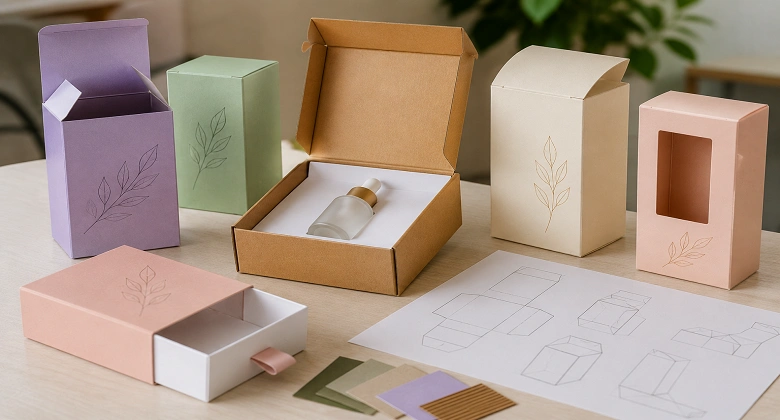
This final question is often the most important safeguard in the entire process.
Digital mockups are useful, but they do not replace physical evaluation. Color accuracy, texture, folding strength, and real-world usability can only be verified through samples.
A professional supplier should always provide prototypes before full production begins. These may include white samples for structure testing and fully printed samples for visual approval.
This stage is where brands often refine details such as alignment, typographic clarity, or coating choices. It is also where the risk of costly production errors is significantly reduced.
Some suppliers even provide structured planning tools, such as cosmetic packaging design templates, to help brands visualize outcomes before committing to full production runs.
Why Choosing The Right Supplier Matters More Than Ever
The global cosmetic packaging market is projected to surpass $60 billion by 2030, driven by e-commerce growth and premiumization trends. In such a competitive landscape, packaging is no longer a supporting element; it is a strategic marketing asset.
Brands that invest in high-quality packaging consistently outperform competitors in:
- Shelf visibility
- Social media engagement
- Customer retention
This is why supplier selection is not a cost decision; it’s a growth decision.
Ready to work with a supplier who answers all 10 of these questions with confidence?
Make A Boxes offers full design support, FSC-certified materials, and a low MOQ from 100 units.
Final Thoughts
The right cosmetic packaging supplier should function as an extension of your brand team, not just a vendor. When you ask the right questions, you quickly separate low-cost manufacturers from strategic partners who can support long-term brand growth.
Suppliers like Make A Boxes stand out because they integrate design expertise, structural engineering, sustainability, and production scalability into one ecosystem, helping beauty brands launch confidently and grow sustainably.
In an industry where first impressions define everything, your packaging partner might just be the most important business relationship you build.
Frequently Asked Questions
Choosing the right cosmetic packaging supplier directly affects your brand perception and product success. Packaging is often the first physical interaction a customer has with your product, so poor quality can instantly reduce trust. A reliable supplier ensures consistent print quality, durable materials, color accuracy, and on-time delivery, helping you maintain brand reputation and avoid costly production issues or delays.
Before finalizing a supplier, evaluate their experience in the cosmetic industry, portfolio of past projects, and ability to handle custom requirements. You should also review their material options, printing technology, MOQ flexibility, and quality control processes. A strong supplier will also offer guidance during development instead of just taking orders, ensuring your packaging aligns with both branding and functionality.
Yes, many professional suppliers offer full or partial design support, especially for brands that are new or scaling. This includes structural guidance, artwork placement, and helping you refine layouts for print accuracy. Some even provide templates and 3D mockups so you can visualize the final product before production. This support is especially helpful when working with complex formats like luxury skincare or gift boxes.
A dieline is a precise technical blueprint that shows how your packaging will be cut, folded, and assembled. It includes bleed areas, fold lines, and safety zones to ensure your design prints correctly. Without an accurate dieline, even a great design can fail during production. Professional suppliers usually provide tested dielines to reduce errors and ensure the final box matches your expectations perfectly.
Yes, reputable cosmetic packaging suppliers always provide samples or prototypes before mass production. These samples allow you to check print quality, structural strength, material feel, and overall design accuracy. Reviewing a physical sample is critical because it helps you catch design or alignment issues early, saving time and money while ensuring the final production meets your brand standards.
