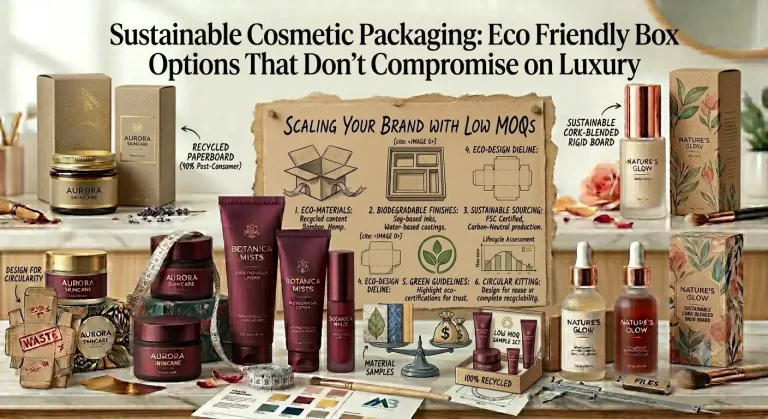
Sustainable Cosmetic Packaging: Eco Friendly Box Options That Don’t Compromise on Luxury

Sustainable Cosmetic Packaging

For years, “sustainable” and “luxury” sat on opposite ends of the packaging spectrum. Eco friendly meant beige kraft boxes and recycled cardboard that whispered “budget brand” instead of “premium experience.” Luxury meant heavy glass, foil stamping, and layers of unnecessary plastic that ended up in landfill the moment the box was opened.

That trade off is over.

Today’s most desirable beauty brands, from indie skincare labels to legacy fragrance houses, are proving that sustainable cosmetic packaging can be just as opulent, tactile, and unforgettable as anything made from virgin plastic. Consumers aren’t asking brands to choose between beautiful and responsible anymore. They’re demanding both, and the packaging industry has caught up.

If you’re a beauty brand owner, product developer, or packaging buyer trying to figure out how to make the shift without diluting your brand’s premium feel, this guide breaks down exactly what’s possible, what to look for, and how to get it right. From material choice to finish, well designed eco friendly beauty boxes can carry the same weight, ritual, and shelf presence as any conventional luxury carton.

Why Sustainable Packaging Has Become Essential in Beauty
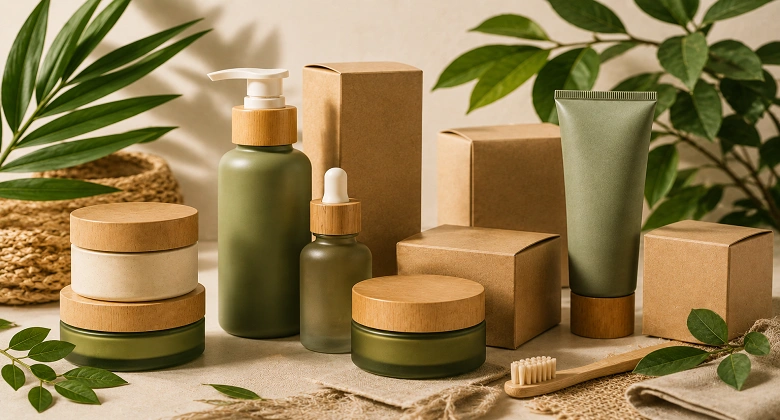
Sustainable Packaging

The shift toward eco conscious packaging isn’t a passing trend. It’s a structural change in how beauty consumers make purchasing decisions.

The values aligned buyer is now the mainstream buyer. Shoppers, particularly Millennials and Gen Z, actively research a brand’s environmental footprint before buying. Packaging is often the first, and most tangible, signal of a brand’s values. A heavy plastic clamshell around a “clean beauty” serum sends a contradictory message that today’s shopper notices immediately.

Unboxing is part of the product experience. Social media has turned packaging into content. A beautifully designed, clearly sustainable box gets shared, filmed, and talked about, generating free marketing that plastic heavy packaging simply doesn’t produce anymore.

Regulation is tightening. Extended producer responsibility laws, plastic packaging taxes, and restrictions on non recyclable materials are expanding across the EU, UK, and several US states. Brands that get ahead of these requirements avoid costly redesigns later.

Retailers are pushing suppliers to comply. Major beauty retailers increasingly require sustainability documentation, including recyclability ratings, FSC certification, and reduced plastic content, as a condition of shelf space.

In short, sustainable packaging is no longer a nice to have differentiator. It’s quickly becoming the baseline expectation, and the brands that treat it as a design opportunity rather than a compliance burden are the ones pulling ahead.

What Luxury Actually Means in Packaging, and Why Eco Materials Can Deliver It

Before comparing materials, it’s worth separating luxury perception from the materials people assume create it. Luxury packaging isn’t inherently about plastic, gold foil, or heavy glass. It’s about a set of sensory and psychological cues.

    • Weight and Rigidity:
      A box that feels substantial in the hand.
    • Tactile Finish:
      Soft touch coatings, embossing, textured stock.
    • Precision:
      Tight tolerances, clean edges, a satisfying close.
    • Restraint:
      Negative space, considered typography, a lack of clutter.
    • Ritual:
      An opening experience that feels intentional, not accidental.

None of these require virgin plastic or non-recyclable materials. In fact, sustainable materials often deliver these cues more effectively than conventional options, because natural fibers and matte finishes create a richer tactile experience than glossy plastic ever could.

Eco Friendly Packaging Materials That Read as Premium
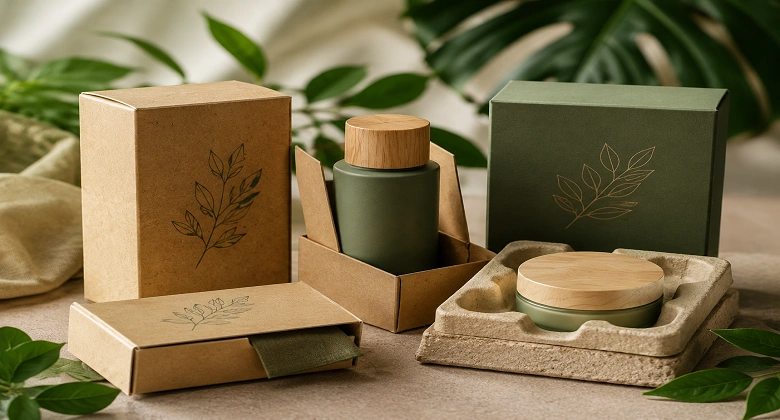
Packaging Materials

Recycled and FSC Certified Paperboard

High density recycled paperboard, often blended with virgin fiber for structural strength, is the workhorse of sustainable luxury packaging. Sourced from Forest Stewardship Council certified forests, it can be engineered to the same rigidity as conventional folding cartons while carrying a fully recyclable, biodegradable profile.

Luxury cues achievable with recycled paperboard include soft touch or matte lamination for a velvety hand feel, blind embossing or debossing for logo detailing without foil, spot UV coating in reduced, eco compliant formulations for contrast and shine, and letterpress printing, which adds tactile depth impossible to replicate digitally.

Kraft and Uncoated Natural Fiber Stocks

Kraft paper has shed its “cheap and rustic” reputation. Uncoated, natural toned kraft, when paired with precise die cutting, minimalist typography, and metallic or colored foil accents, reads as intentionally elevated rather than budget driven. Brands like Aesop and Dr. Bronner’s have proven that unbleached, visibly natural materials can signal sophistication rather than compromise.

Molded Pulp and Fiber Inserts

Molded pulp, made from recycled paper or agricultural waste, is replacing plastic inserts and trays inside rigid boxes. Modern molded pulp can be dyed, textured, and precisely formed to cradle bottles and jars just as securely as thermoformed plastic, while being fully compostable.

Glass and Aluminum in Refill First Design

For the primary product container, glass and aluminum remain the gold standard for perceived luxury and recyclability. Both materials can be recycled indefinitely without quality loss. The sustainability innovation here isn’t the material itself but the system around it: refillable glass jars with replaceable inner pouches, or aluminum bottles designed for lifetime reuse, dramatically cut the packaging footprint per use without changing the premium unboxing moment at all.

Biodegradable and Compostable Films

Where a protective film or wrap is genuinely necessary, PLA (plant based) and other certified compostable films now offer clarity and shine comparable to conventional plastic wrap, breaking down in industrial composting facilities rather than persisting for centuries.

Water Based and Soy Inks

Conventional petroleum based inks off gas volatile organic compounds and complicate recycling. Water based and soy based inks now achieve comparable color saturation and print sharpness, and they don’t compromise a box’s recyclability.

Design Techniques That Signal Luxury Without Adding Plastic
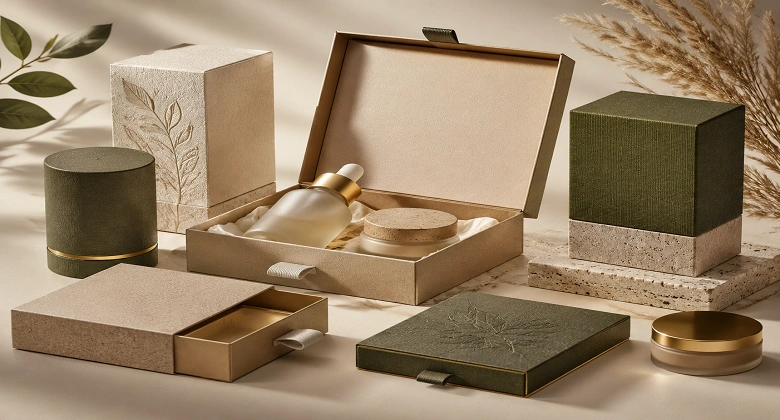
Design Techniques

Material choice is only half the equation. The following design and engineering techniques let brands achieve a premium unboxing experience using entirely sustainable inputs.

Structural engineering over added components. Instead of gluing on plastic magnetic closures, well engineered origami style locking tabs and friction fit lids create a satisfying click using the box’s own paperboard, reducing material complexity while still feeling considered.

Monochromatic, tone on tone design. A single kraft or recycled white substrate with tone on tone embossing or blind deboss reads as more expensive than a box using five spot colors, because restraint itself signals confidence.

Textured and uncoated stocks. A slightly toothy, uncoated paper stock feels more expensive under the fingers than a slick coated one, since consumers associate texture with craftsmanship.

Foil accents, used sparingly. Foil stamping isn’t inherently unsustainable when applied in small, targeted doses, such as a logo or a border, rather than covering entire panels. Many suppliers now offer recyclable compatible foil alternatives.

Single material construction. Using one recyclable material throughout, rather than mixing paperboard, plastic film, and foam, makes the box genuinely recyclable and creates a cleaner, more cohesive design language.

How Leading Beauty Brands Are Approaching This

Several beauty brands have made sustainable packaging central to their premium identity rather than treating it as an apology.

Fragrance and skincare houses using FSC certified rigid boxes with soft touch lamination and minimal foil detailing have successfully repositioned “eco” as “elevated,” not “downgraded.”

Refillable lipstick and foundation systems pair a durable, keepsake worthy aluminum or metal outer case with a compostable or recyclable refill cartridge. The customer keeps the luxury object and simply replaces the low cost insert.

Direct to consumer skincare brands have built entire visual identities around visibly natural kraft stock, proving that “undecorated” can be its own aesthetic statement rather than a limitation.

The common thread: these brands didn’t retrofit sustainability onto an existing design. They designed the packaging experience around sustainable materials from the start, which is why the result feels intentional rather than compromised.

How to Choose the Right Sustainable Packaging Partner
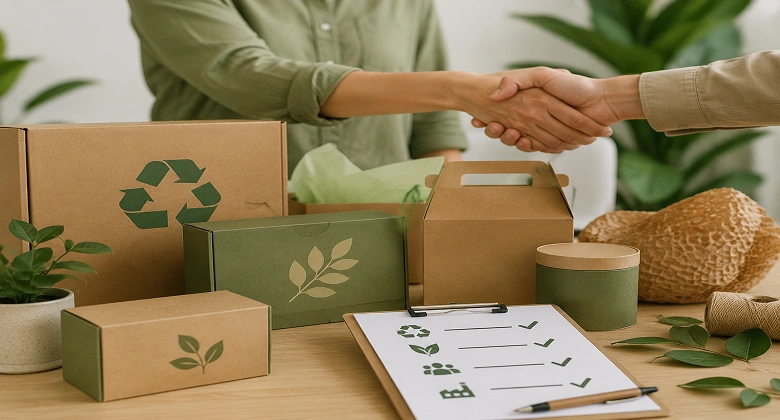
Sustainable Packaging Partner

If you’re evaluating suppliers or manufacturers for your next packaging run, a few questions separate genuinely sustainable partners from those engaging in greenwashing.

A genuine recyclable cosmetic box supplier like Make A Boxes is able to answer all of the following without hesitation.

Can they provide FSC or SFI chain of custody certification? This verifies the paper fiber is genuinely sourced from responsibly managed forests, not just labeled as “recycled.”

What’s the actual recycled content percentage? Ask for a specific number, such as eighty percent post consumer recycled fiber, rather than accepting vague claims.

Is the finished box recyclable as a whole unit, or only after disassembly? Mixed material boxes combining a plastic window, paperboard, and a foam insert often aren’t recyclable in standard municipal systems even if individual components are.

Do they offer low minimum runs for testing? Sustainable material costs can vary significantly at different order volumes, and a good partner helps you pilot before committing to large runs.

What certifications back their compostable claims? Look for BPI (Biodegradable Products Institute) or TUV Austria “OK Compost” certification rather than unverified “eco friendly” labeling.

Addressing the Cost Question Honestly

Sustainable materials can carry a modest price premium over conventional plastic heavy packaging, typically in the range of five to twenty percent, depending on material, finish complexity, and order volume. That said, several factors offset this.

Reduced material use. Right sized, single material boxes often use less material overall than multi component conventional packaging, partially offsetting per unit material costs.

Brand premium. Values aligned buyers consistently show willingness to pay more for products they perceive as responsibly packaged, often recovering the cost difference through pricing or conversion rate.

Regulatory cost avoidance. Brands that shift now avoid the cost of emergency redesigns when plastic taxes or extended producer responsibility fees increase.

Economies of scale. As demand for recycled and FSC certified stock grows, per unit costs continue to decrease, narrowing the gap with conventional materials.

Want to see what sustainable packaging costs for your specific product and order size?

Get a free, itemized quote from Make A Boxes, including FSC-certified and recycled material options.

The Future of Sustainable Beauty Packaging

A few trends worth watching as this category matures.

Refill first architecture is moving from niche to mainstream, with brands designing the “keep” object, such as a case, jar, or bottle, as a durable luxury item and the “replace” object as the low material component.

Seaweed and mycelium based materials are emerging as alternatives to both plastic and paperboard for certain applications, offering unique textures brands can leverage as a design feature.

Digital product passports and QR based transparency are letting brands communicate exact material sourcing and recyclability instructions directly on the box, turning sustainability claims into verifiable data.

AI assisted structural design is helping packaging engineers minimize material use while maintaining structural integrity, squeezing out waste that was previously accepted as necessary.

Final Thoughts

The idea that sustainability requires sacrificing luxury is outdated. The real shift required isn’t in what materials are available. Genuinely premium eco friendly options already exist across every packaging category. It’s in how brands think about design. Restraint, texture, and craftsmanship, not plastic and foil, are what create a luxury unboxing experience. Brands that embrace this now aren’t just meeting a compliance requirement. They’re building the kind of packaging their customers actually want to photograph, keep, and talk about.

For beauty brands weighing a packaging redesign, the question is no longer whether to go sustainable. It’s how to do it in a way that makes the product feel even more premium than before.

Frequently Asked Questions

It depends on the material. Certified compostable films usually break down within 90 to 180 days in an industrial composting facility, while FSC certified paperboard can be recycled through standard municipal paper streams in a single cycle, often within weeks of collection.

Many suppliers now offer low minimum order quantities specifically for smaller brands, sometimes as low as 100 to 500 units for paperboard boxes. Group buying through packaging marketplaces has also made premium eco materials more accessible to brands without large purchase volumes.

When properly engineered, no. Molded pulp inserts and rigid recycled paperboard can match the cushioning and structural protection of plastic and foam alternatives. The key is working with a supplier who tests drop and compression resistance specifically for your product's weight and fragility.

Recyclable means the material can be reprocessed into new products through existing collection systems. Biodegradable means it breaks down naturally over time, though the timeline isn't standardized. Compostable means it breaks down into non toxic, nutrient rich matter under specific composting conditions, usually within a defined and certified timeframe.

Ask for third party certification numbers you can independently verify, such as an FSC license code or a BPI compostable certification ID, rather than accepting marketing language alone. A legitimate supplier will readily share documentation and won't hesitate to explain exactly what percentage of a box is recycled or virgin material.

Leave a Comment

Your email address will not be published. Required fields are marked *

Scroll to Top