
Why Protection Is Critical for Businesses?
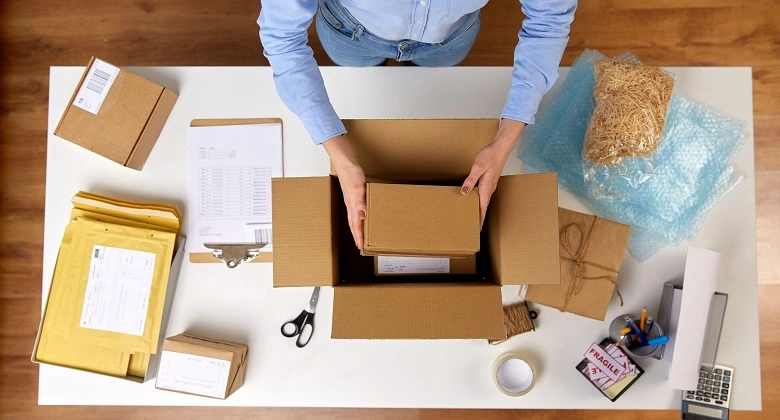
Protection is the cornerstone of effective packaging. It minimizes product damage and reduces insurance claims to prevent financial losses. The use of proper packaging enhances brand reputation and customer satisfaction. On the contrary, poor packaging can lead to negative reviews, resulting in the loss of trust.
2. Presentation
Presentation is the second most important element of packaging. It focuses on enhancing the visual and sensory appeal of a product. Packaging presentation creates a first impression and plays a decisive role in influencing customers’ purchasing decisions, especially in retail environments.
Customers often judge a product by its packaging before experiencing the product itself. An attractive presentation captures attention, communicates value, and persuades consumers to buy.
Key Elements of Packaging Presentation
Here are a few core elements of packaging presentation as discussed below:
Use of Color Psychology
Colors play a powerful role in shaping customer emotions and perceptions. Each color carries psychological meaning and influences buying behavior in unique ways.
- Red – Stimulates Desire
Red represents intensity, passion, and excitement. In packaging, it conveys strength and urgency, encouraging impulse purchases. - Blue – Signifies Trust
Blue symbolizes calmness, reliability, and professionalism. Brands using blue often appear trustworthy and dependable, making it a popular choice in logistics, airlines, and corporate branding. - Green – Indicates Vitality
Green represents health, sustainability, and eco-friendliness. It appeals to environmentally conscious consumers and highlights a brand’s commitment to recyclable and sustainable packaging. - Black – Highlights Luxury
Black conveys elegance, sophistication, and premium quality. It is ideal for luxury products such as cosmetics, fashion accessories, and high-end electronics.
Typography and Graphics
Typography and graphics are essential for clear communication and visual impact. Customers are always attracted to readable fonts, appealing layouts, and creative graphics illustrating the story and reinforcing brand identity.
Modern printing techniques allow businesses to create eye-catching designs that enhance shelf appeal and strengthen brand recognition.
Shape and Structural Design
Innovative packaging shapes and ergonomic designs improve usability and convenience. Lightweight and easy-to-handle packaging enhances customer satisfaction and simplifies storage and transportation.
Custom-designed packaging also allows businesses to meet specific customer needs while standing out on retail shelves.
Textures and Finishes
Special finishes such as matte, gloss, emboss, and soft-touch coatings add a premium feel to packaging. These textures enhance visual appeal and elevate perceived brand value.
3. Promotion
Promotion is a powerful packaging function helping businesses communicate their brand message to a wider audience reach. Packaging serves as a cost-effective promotional tool by combining visual branding with marketing communication.
Companies use a mix of traditional and digital strategies to promote their products. Packaging featuring logos, slogans, colors, and textures reinforces brand recognition and acts as a silent salesperson. While it may not speak, packaging communicates through design, symbols, and messaging.
Benefits of Packaging Promotion
Here are a few advantages of packaging promotion for businesses:
Brand Identity Communication
Packaging plays a vital role in expressing a brand’s personality and identity. Through consistent color schemes, logos, and visual elements, packaging helps customers instantly recognize and connect with a brand.
Strong promotional packaging builds trust, enhances recall, and strengthens long-term customer relationships.
Messaging and Storytelling
Packaging serves as a powerful communication platform that allows brands to convey essential information and create meaningful connections with customers. It offers valuable space to clearly highlight product benefits, helping consumers quickly understand what makes the product useful, effective, or different from competitors.
The customer experience is enhanced by well-written usage instructions printed on the packaging, ensuring the safety of the product in the carrier. This helps reduce confusion and builds trust in the brand.
Product Information
Packaging is essential in delivering essential product information that helps consumers make informed purchasing decisions. It clearly communicates product features and benefits, allowing customers to understand how the product meets their needs and what advantages it offers to them. By presenting this information in a concise and easy-to-read manner, packaging reduces uncertainty and improves the overall buying experience.
Differentiation and Competitive Advantage
Packaging is a strategic tool that helps a brand stand out in a crowded marketplace. In industries where multiple products offer similar functions or benefits, unique and thoughtfully designed packaging can create a distinct identity.
It immediately captures consumer attention. Visual elements such as color schemes, typography, graphics, and shapes, combined with tactile features, help a product differentiate itself on store shelves or online listings, making it more noticeable to potential buyers.
Influences Purchase Decisions
Packaging plays a critical role in shaping consumer behavior and setting the minds of buyers. Often, it is the first point of interaction between a brand and a potential customer, making it a key factor in choosing one product over another.
Visually appealing designs, clear labeling, and informative content can capture attention and spark curiosity, to create a positive first impression, all of which increase the likelihood of a purchase. Packaging that communicates quality, trustworthiness, or innovation can persuade consumers to select a product even in highly competitive markets.
Strengthens Marketing Efforts
Effective promotional packaging strengthens marketing efforts while keeping costs controlled. Packaging acts as a silent, but highly effective marketing tool, amplifying a brand’s promotional efforts and reinforcing its overall marketing strategy.
Unlike traditional advertising, which may be temporary or limited in reach, packaging travels with the product, continuously communicating the brand’s message wherever it goes on store shelves, during shipping, or even in the customer’s home. It serves as a constant reminder of the brand’s identity, values, and unique selling points, effectively extending the lifespan and impact of marketing campaigns.
4. Price
Price refers to the cost and financial viability of packaging. It depends on the quality of packaging to increase the cost. Businesses must find economical and sustainable solutions for their product safety.
Packaging costs directly affect product pricing, profit margins, and competitiveness. Pricing decisions also consider the target market and competitive landscape. For example, brands targeting consumers may prioritize affordable yet durable packaging, while luxury brands may invest in elaborate designs to enhance appeal and exclusivity.
Factors Influencing Pricing Costs
Here are some valuable factors causing the variations in pricing costs:
Material Selection
The selection of material profoundly influences the rise and fall of prices. Businesses must be careful in their choice of materials. For instance, paperboard and corrugated cardboard are among the most affordable packaging materials, making them a popular choice for many businesses.
These materials are lightweight, easy to manufacture, and widely available, keeping production costs relatively low. Corrugated cardboard, in particular, provides excellent protection for shipping and handling without adding significant expense. Its affordability allows businesses to package products efficiently while still maintaining functionality, making it an ideal option for companies seeking a balance between cost and performance.
Increase in Production Volume
Bulk production often reduces per-unit packaging costs. Small businesses may need flexible packaging solutions to manage expenses. From a packaging perspective, higher production volumes can significantly influence both design and cost considerations.
When a business produces more units, it often benefits from economies of scale. Bulk purchasing of packaging materials reduces the per-unit cost, making large-scale production simpler. Furthermore, standardized packaging designs can streamline assembly lines and reduce labor time, further enhancing efficiency.
5. Placement
In retail, it mostly happens that a wrong placement of products fails to capture customers’ attention. Product positioning involves both the physical placement of a product in-store and brand positioning in the eyes of consumers.
In terms of physical placement, this encompasses everything from which stores sell a brand’s products to where a product is displayed in-store and how these affect overall product and brand perception. Businesses can use a blend of colors and graphics to make their brands compelling and captivating for the audience to buy.
Key Positioning Techniques for Packaging
The following are the valuable positioning techniques for sustainable packaging:
Defining Market Segment
Market segment is the proper classification of packaging by means of gender, age, and demographics of customers. It must match the needs and requirements of audiences. This research shows the consumer behavior to find their interest in the product.
Positioning the Brand
Brand Positioning refers to the sense of affordability of customers. Businesses create their brands to attract clients within their budget range. They can fall into the category of mid-level, or elite class who look for luxury items to buy. Companies always target the mass audience who are eager to purchase their products with colorful packaging.
Aligning with the Target Audience
Effective brand positioning requires a deep understanding of the target consumer. Packaging must resonate with their preferences, lifestyle, and values. Consumers expect sustainable materials and transparent messaging, while tech-oriented audiences prefer sleek and functional designs. When packaging aligns with consumer expectations, it reinforces the brand promise and builds emotional connection.
Connecting with Emotions
Packaging also delivers functional benefits that support brand positioning. Features such as resealable closures, ergonomic designs, or clear labeling enhance user experience and reinforce brand reliability. Companies must build emotional attachment with customers through storytelling, creativity, or personalization to add perceived value and deepen consumer engagement.
Why Need for a Packaging Placement?
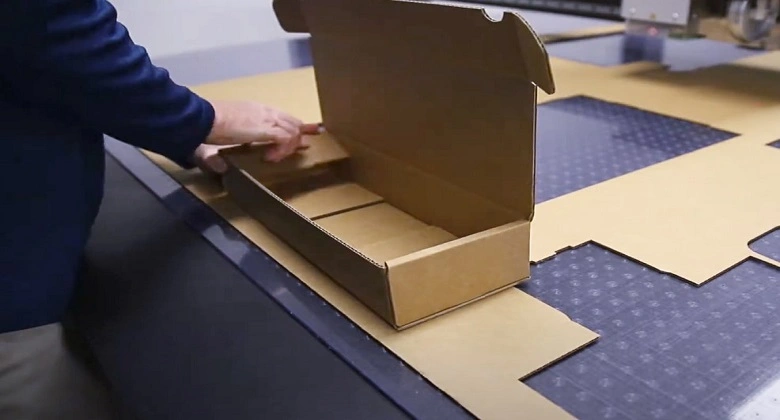
Businesses need packaging placement to influence customers’ purchases through their retail shelf display in the stores. They make their journey worthwhile from the production to the end-users.
The following are core reasons why packaging placement is essential for businesses:
Shelf Visibility and Consumer Attention
Packaging placement determines how a product appears on retail shelves. Well-placed packaging ensures:
Brand Logos Face Outward
When brand logos face outward on packaging, they are immediately visible to consumers on store shelves. Shoppers often scan shelves, and a clearly visible logo helps with instant noticeability of a brand.
Familiar logos build trust and make it easier for customers to identify a product they already know or prefer. Proper outward-facing logo placement also reinforces brand recall, ensuring that even a glance can leave a lasting impression. If the logo is hidden, angled poorly, or placed inconsistently, the product risks being overlooked.
Key Information is Easily Readable
Key information, such as the product name, variant, benefits, ingredients, size, or usage instructions, must be easy to read at a glance. Clear typography, good contrast between text and background, and logical placement all contribute to readability.
Consumers rely on this information to make quick purchasing decisions, especially in crowded retail environments. If essential details are hard to find or read, customers may become frustrated and move on to a competitor’s product. Easy readability also communicates transparency and professionalism, which strengthens consumer confidence in the brand.
The Product Stands Out Among Competitors
Good placement increases visibility, which directly affects purchase decisions. Retail shelves are often crowded with similar products, making differentiation essential. Packaging should use distinctive colors, shapes, materials, or visual elements that set the product apart.
Standing out does not mean being loud or cluttered; rather, it means creating a clear visual identity that attracts attention while remaining aligned with the brand’s positioning. Unique packaging helps break visual monotony, draws the consumer’s eye, and increases the chances of the product being picked up, examined, and ultimately purchased.
User Experience and Convenience
Thoughtful packaging placement improves ease of opening, handling, and use. When products are positioned logically, consumers can access them easily, creating a positive unboxing experience that builds trust and satisfaction.
Ideal for Digital Marketplace
Packaging placement is good for both retail and digital e-commerce businesses. In digital, the scenario is different from physical stores, where customers can touch products with their hands. E-commerce marketplaces grab the attention of customers through their catchy images. They also provide product information to help understand its features and qualities.
Most e-commerce businesses use drop-shipping strategies to fulfill their order deliveries to customers due to their lack of space for inventory storage. It saves their costs and efforts to maintain and take good care of the merchandise to avoid damage.