Studies in retail and consumer behavior consistently show that more than 70% of purchasing decisions are influenced at the point of sale, and packaging is often the first factor customers notice. In today’s market, packaging is no longer just a protective enclosure; it is a strategic asset that combines structural engineering, material science, and brand communication into a single touchpoint.
Modern businesses use packaging to do far more than safeguard products during storage and transit. Through choices in box structure, material composition, surface finishes, and print technology, packaging now conveys quality, reliability, and brand positioning. From retail shelves to e-commerce unboxing, the right packaging enhances perceived value and builds trust before the product is even used.
In physical retail environments, especially, packaging serves as a silent salesperson. Visually appealing, well-constructed boxes capture attention, shape customer expectations, and heavily influence buying decisions, often outweighing price considerations. As a result, selecting the right packaging solution has become a critical business decision, not just a logistical one.
The following are the roles of packaging in the retail business industry:
Product Shield
Protection is a fundamental purpose of an item’s packaging. It shields the product from various elements such as heat, sunlight, moisture, and physical damage. Businesses find their products safe inside the container box, which is made of corrugated cardboard material. Packaging boxes are the best source of prevention of goods to save them from harm.
Good for Nature
Recycling is an issue because plastic materials take time to decompose. It makes it harmful and hazardous for humans’ health. Not only human beings, but it becomes dangerous for the whole ecosystem and environment in the surroundings. This waste adds a burden to landfill sites and overflows their messy volume to turn it into a disaster. The use of packaging boxes keeps the atmosphere clean and tidy. They are made of pure cardboard material, which decays very easily and decomposes into recyclable materials.
Cost Efficient
Plastic materials add a lot of costs and make it expensive to use them for businesses. So, they prefer to use cardboard boxes, which are highly cost-efficient and saves huge amount of money. Companies use these containers for their sense of affordability and biodegradability. They are a reliable and sustainable alternative for them to use for product packaging.
How Box Choice Impacts Shipping Costs, Perceived Value, and Sustainability

Choosing the right shape and size of box directly influences the purchasing decision of customers. It also has a deep impact on the cost of shipping and delivery. Customers perceive the true value of a product by its exterior packaging. However, they do not want their packaging to be stylish, but they want it to be lighter to carry with environmentally friendly qualities.
Sustainability is a core idea of selecting the box size that depends on the individual needs and requirements of every business or customer.
The size, material, and design of a box can influence profitability just as much as it shapes customer perception and brand responsibility. Here are the following benefits of using packaging boxes:
Impact on Shipping Costs
Size and Dimensional Weight
Most carriers charge based on dimensional (DIM) weight, not just actual weight. Oversized boxes, even if lightweight, can significantly increase shipping fees. Choosing a box that closely fits the product reduces wasted space and lowers shipping costs.
Material Weight and Density
Heavier materials such as double- or triple-wall corrugated board increase protection but also add weight. While necessary for fragile or heavy items, overengineering packaging can lead to unnecessary cost increases.
Damage Reduction and Returns
Right-sized, structurally appropriate boxes reduce product movement and damage in transit. Fewer damaged shipments mean fewer returns, replacements, and reshipments, lowering overall logistics costs.
Warehouse and Logistics Efficiency
Standardized box sizes simplify storage, picking, and packing processes. Efficient stacking and palletization can reduce handling time and freight costs across the supply chain. There are multiple thing we can add in this situation to get the right result.
Impact on Perceived Value
First Impression and Quality Signals
The box is often the first physical interaction a customer has with a product. A sturdy, well-designed box communicates quality, care, and professionalism. Flimsy or oversized boxes can diminish perceived value, even if the product itself is premium.
Brand Alignment
Box materials and finishes should match the brand’s positioning. Minimalist Kraft boxes can suggest authenticity and sustainability, while rigid boxes with inserts and finishes elevate luxury perception.
Unboxing Experience
Thoughtful box design enhances the unboxing moment. Features like easy-open tabs, custom inserts, and clean presentation create a sense of intention and value, encouraging social sharing and positive reviews.
Expectation Management
Box size relative to the product influences customer satisfaction. An oversized box for a small item can feel wasteful or misleading, while a compact, well-fitted box reinforces efficiency and trust.
Impact on Sustainability
Material Selection
Recyclable, biodegradable, or FSC-certified corrugated boxes reduce environmental impact. Avoiding mixed materials (like plastic-coated paperboard) improves recyclability.
Right-sizing and Waste Reduction
Using boxes that match product dimensions minimizes void fill and material waste. Less material means lower resource consumption and reduced emissions during transport.
Transportation Emissions
Smaller, lighter boxes allow more packages per truck or container, reducing fuel use and carbon footprint per shipment.
Reuse and Circularity
Durable boxes that can be reused either by customers or through return programs extend packaging life and reduce overall waste.
Brief Overview of Rigid And Corrugated Boxes

Rigid boxes and corrugated boxes are two of the most common packaging types, each serving distinct purposes based on protection needs, branding goals, and cost considerations.
Here is a detailed explanation of both of them.
Rigid Boxes
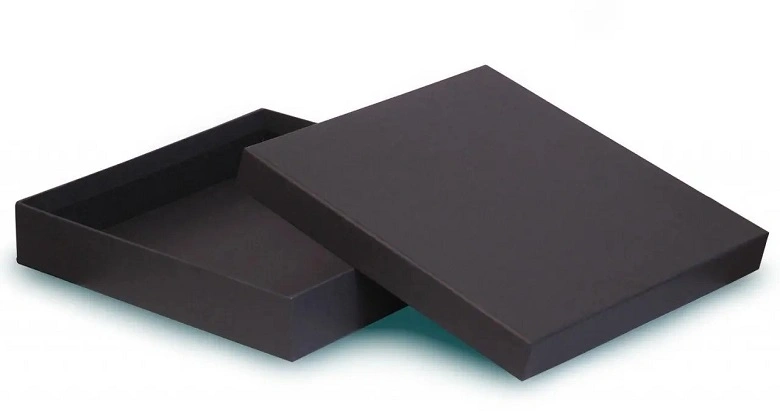
Rigid boxes are made from thick paperboard and do not fold flat. They are known for their strength, premium feel, and high-end appearance.
- Key Characteristics: Sturdy construction, smooth surfaces, often wrapped with printed or specialty paper
- Best For: Luxury goods, electronics, cosmetics, jewelry, gift items
- Advantages: High perceived value, excellent presentation, strong product protection
- Limitations: Higher cost, heavier weight, more storage space required
These boxes are characterized by their sturdy construction and smooth surfaces, and they are often wrapped with printed or specialty paper to enhance visual appeal. They are best suited for luxury goods, electronics, cosmetics, jewelry, and gift items where presentation is a priority.
One of their main advantages is the high perceived value they create, along with excellent presentation and strong product protection. However, these benefits come with limitations, including higher production costs, heavier weight, and the need for more storage space compared to other packaging options.
Corrugated Boxes
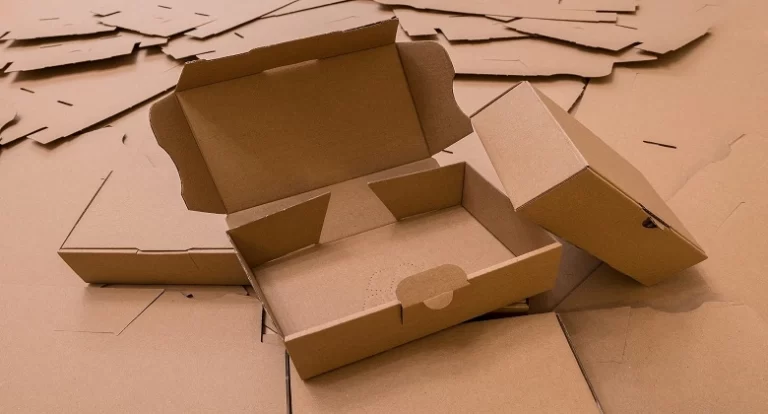
Corrugated boxes are made from fluted paper sandwiched between linerboards. They are lightweight, durable, and widely used for shipping and logistics.
- Key Characteristics: Fluted structure for strength and cushioning, available in multiple wall types
- Best For: Shipping, e-commerce, bulk packaging, industrial, and retail transport
- Advantages: Cost-effective, lightweight, recyclable, strong for transit protection
- Limitations: Less premium appearance without customization
These boxes are defined by their fluted internal structure, which provides strength and cushioning, and they are available in multiple wall types to suit different weight and protection requirements. They are widely used for shipping, e-commerce, bulk packaging, and both industrial and retail transport.
Their key advantages include cost-effectiveness, lightweight construction, recyclability, and strong protection during transit. However, without customization or additional finishes, corrugated boxes generally offer a less premium appearance compared to rigid packaging options.
Framing The Core Question: Which Box Is Right For Your Product And Why?

Choosing between rigid and corrugated boxes ultimately comes down to one core question: What does your product need most premium presentation or efficient protection?
Rigid boxes are the right choice when branding, perceived value, and unboxing experience are central to the product’s success. They are ideal for high-end, fragile, or gift-oriented items where the packaging itself is part of the value proposition.
What Is Considered A Corrugated Box?
In contrast, corrugated boxes are best suited for products that prioritize durability, scalability, and cost-effective shipping. They excel in transit protection, e-commerce fulfillment, and sustainability-focused operations.
The right box is not simply a packaging decision; it is a strategic one. Understanding your product’s weight, fragility, price point, shipping method, and brand positioning will determine whether a rigid box elevates the experience or a corrugated box delivers the smartest balance of protection, cost, and efficiency.
What are the Three Types of Boxes?
![]()
In packaging, boxes are commonly grouped into three main types, based on structure, material, and use:
Folding Cartons
These folding cartons are made from paperboard and are shipped flat, then folded into shape. Folding cartons are lightweight, cost-effective, and easy to customize with printing and finishes. They are widely used for food products, pharmaceuticals, cosmetics, and retail goods.
Rigid Boxes (Set-Up Boxes)
Rigid boxes are made from thick paperboard and do not fold flat. They are known for their strength and premium appearance, making them ideal for luxury items, electronics, jewelry, and gift packaging. They offer high perceived value but come at a higher cost and require more storage space.
Corrugated Boxes
Corrugated boxes are constructed with fluted paper sandwiched between linerboards. They are designed for durability and protection during shipping and handling. Commonly used in e-commerce, shipping, and industrial applications, they are lightweight, recyclable, and cost-efficient.
Together, these three box types cover most packaging needs from everyday retail and shipping to high-end presentation.
What Are The Benefits Of Rigid Boxes?
Businesses must find various types of rigid boxes offering several key benefits, particularly for products where presentation, protection, and brand perception are important:
Premium Appearance and High Perceived Value
Rigid boxes convey quality and sophistication, making them ideal for luxury and high-end products. Their solid structure and refined finishes elevate brand image.
Excellent Product Protection
Made from thick, sturdy paperboard, rigid boxes provide strong protection against crushing and impact, helping safeguard delicate or valuable items.
Enhanced Unboxing Experience
Features such as magnetic closures, lift-off lids, and custom inserts create a memorable and engaging unboxing experience that strengthens customer satisfaction.
Brand Differentiation
Rigid boxes support high levels of customization, including specialty papers, embossing, foil stamping, and custom printing, allowing brands to stand out in competitive markets.
Durability and Reusability
Their robust construction makes rigid boxes more durable and often reusable, extending their life beyond the initial purchase and reinforcing brand presence.
Overall, rigid boxes are an effective choice for brands seeking to combine protection with a strong, lasting impression.
Feature and Structure of Rigid Boxes

Rigid boxes, also known as set-up boxes, are premium packaging solutions made from thick, high-density paperboard that maintains its shape without folding. Unlike folding cartons, rigid boxes are pre-assembled during manufacturing and arrive ready to use. Their structure typically consists of a solid chipboard base that is cut and formed into shape, then wrapped with decorative or printed paper. This construction results in a firm, durable box with clean edges and a refined appearance.
Common Materials (Chipboard and Paperboard Wraps)
The core of a rigid box is usually made from chipboard, a dense and sturdy paper-based material that provides structural strength. Chipboard thickness can vary depending on the weight and fragility of the product. The exterior is wrapped with paperboard or specialty paper, which may be printed, textured, coated, or finished with enhancements such as foil stamping, embossing, or soft-touch lamination. These wraps not only improve aesthetics but also reinforce brand identity and perceived quality.
Non-Collapsible, Solid Construction
Rigid boxes are non-collapsible, meaning they do not fold flat for storage or shipping. This solid construction gives them superior strength and resistance to crushing or deformation. Because they retain their shape at all times, rigid boxes offer reliable protection and a consistent, premium presentation. However, this also means they require more storage space and incur higher shipping costs compared to collapsible packaging options.
Typical Use Cases (Luxury and Premium Products)
Rigid boxes are most commonly used for luxury and premium products where packaging plays a key role in the overall customer experience. Typical applications include high-end electronics, cosmetics, jewelry, watches, perfumes, gourmet foods, and gift items. In these cases, the box is not just a container but part of the product’s value, reinforcing exclusivity, craftsmanship, and brand prestige.
What Does A Corrugated Box Look Like?

The basic structure of a corrugated box looks like a linerboard flat sheets of paperboard that form the outer and inner surfaces of the box, and fluting, a wavy, corrugated sheet sandwiched between the linerboards.
The fluting acts as a cushion, absorbing impacts and resisting compression, while the linerboards provide rigidity and surface for printing or labeling. This layered construction creates a lightweight yet strong box that can withstand handling, stacking, and shipping pressures. The design of corrugated boxes is highly versatile. It is made of corrugated fiberboard, a composite material designed for strength, durability, and shock absorption.
Single-Wall, Double-Wall, and Triple-Wall Options
Corrugated boxes come in multiple wall configurations to match protection requirements:
- Single-wall: One layer of fluting between two linerboards. Suitable for light to medium-weight products and standard shipping needs. Provides basic cushioning and protection.
- Double-wall: Two layers of fluting with three linerboards. Offers enhanced strength, crush resistance, and durability, making it ideal for heavier or fragile items and long-distance shipping.
- Triple-wall: Three layers of fluting with four linerboards. Extremely strong and rigid, capable of holding very heavy or industrial products. Often used for bulk storage, heavy machinery parts, or long-haul transport.
The choice between single, double, and triple-wall depends on product weight, fragility, and shipping distance.
Lightweight Yet Strong Design
One of the defining advantages of corrugated boxes is their strength-to-weight ratio. Despite being lightweight, the fluted structure distributes weight and absorbs shocks, preventing damage during transit. This makes corrugated boxes ideal for shipping: they protect products effectively without significantly increasing shipping costs. The lightweight design also makes them easier to handle, stack, and store in warehouses.
Common Use Cases (Shipping, E-Commerce, Bulk Packaging)
Corrugated boxes are ubiquitous in logistics because of their protective qualities and cost efficiency:
- Shipping: They safeguard products during local or international transport, reducing breakage and losses.
- E-commerce: Lightweight corrugated boxes are ideal for direct-to-consumer shipments. They can be customized in size, printed with branding, and designed for easy opening, enhancing the customer experience.
- Bulk Packaging: Double- or triple-wall boxes are used for wholesale, industrial, or heavy-duty items that require stacking and long-term storage.
In addition, corrugated boxes are environmentally friendly, often made from recycled materials, and themselves fully recyclable, making them a sustainable choice for businesses.
How to Design a Packaging Box?

Designing a packaging box is both an art and a science; it needs to safeguard the product, communicate your brand, and enhance the customer experience. Here is a detailed, step-by-step guide to designing an effective packaging box:
1. Define the Purpose and Requirements
Before starting any design work, clearly identify the box’s primary goals:
- Protection: How fragile or heavy is the product? Will it be shipped or just displayed?
- Branding: Should the packaging feel luxurious, eco-friendly, or fun?
- Customer Experience: Will it be unboxed in-store or shipped directly to the customer?
- Sustainability: Is recyclable, biodegradable, or reusable packaging a priority?
Documenting these requirements ensures the design aligns with both practical needs and marketing goals.
2. Choose the Right Box Type
Select the type of box based on your product and purpose:
- Rigid Boxes: Best for luxury items, gifts, jewelry, cosmetics, electronics.
- Corrugated Boxes: Ideal for shipping, e-commerce, bulk packaging, and industrial items.
- Folding Cartons: Lightweight, cost-effective, and good for retail packaging like food, pharmaceuticals, or small consumer goods.
The choice affects materials, printing options, and manufacturing costs.
3. Determine the Dimensions and Structure
- Measure the Product accurately, including any protective inserts or padding.
- Decide on Box Structure: Top and bottom lid, tuck-end, sleeve, magnetic closure, or foldable design.
- Consider Stacking and Shipping Needs: If shipping, ensure the box fits within standard carrier sizes and supports safe stacking.
A well-proportioned box avoids excess material and reduces shipping costs.
4. Select Materials
- Cardboard/chipboard: Rigid boxes or premium folding cartons.
- Corrugated Fiberboard: For shipping or bulk packaging.
- Specialty papers/coatings: Glossy, matte, textured, foil stamping, soft-touch lamination, or eco-friendly wraps.
Material selection affects protection, weight, cost, sustainability, and perceived value.
5. Design Graphics and Branding
- Brand elements: Logo, brand colors, fonts, and tagline.
- Visual Hierarchy: Place essential information (product name, features, warnings) prominently.
- Imagery and Texture: Patterns, illustrations, or embossing to reinforce brand identity.
- Finish Options: Spot UV, metallic foils, matte or gloss finishes for a premium look.
Your goal is to create packaging that catches attention, communicates brand values, and stands out on shelves or online listings.
Conclusion: Packaging as a Strategic Investment
Packaging is an strategic tool that influences customer perception, product safety, and brand loyalty. Investing time and thought into choosing the right packaging, whether rigid, corrugated, or a hybrid, pays dividends in customer satisfaction and long-term brand value.
By understanding the advantages and limitations of each box type, you can align packaging with your product, logistics, and sustainability goals, ensuring that every shipment, display, and unboxing moment tells the right story.
Frequently Asked Questions
Corrugated boxes are generally more recyclable and eco-friendlier, often made from recycled content. Rigid boxes are durable and reusable, but may combine materials like foil, magnetic closures, or plastics, which can complicate recycling.
No, rigid boxes are typically pre-assembled and do not collapse, requiring more storage and increasing shipping costs compared to corrugated boxes, which are flat-packable.
Corrugated boxes are generally best suited for ecommerce orders, food and beverage packaging, industrial bulk items delivery, and subscription boxes. They are prioritized for their excellent shipping efficiency, cost-effectiveness, and sense of protection.
You can easily decide on choosing the right product for your business by considering these factors of product fragility value, shipping and storage requirements, budget per unit, brand positioning, and customers' expectations. Businesses can make their own sustainability goals by choosing the quality of material for their packaging boxes.
Yes, corrugated boxes can be customized with printing, die cuts, branded tape, and inserts to create an elevated experience. While they don’t provide the same “luxury feel” as rigid boxes, they can be effective for branded unboxing, especially for eco-conscious or subscription brands.